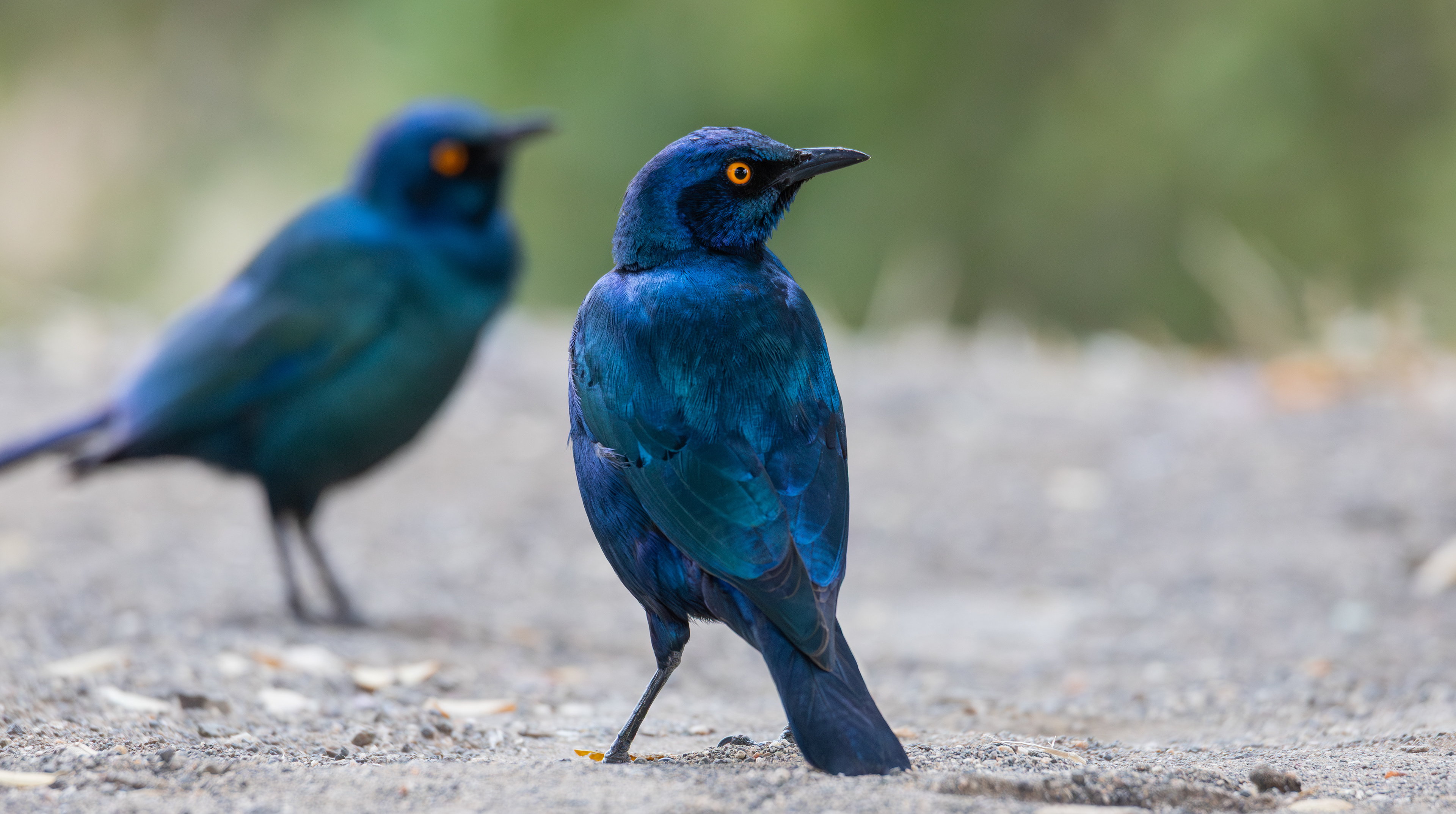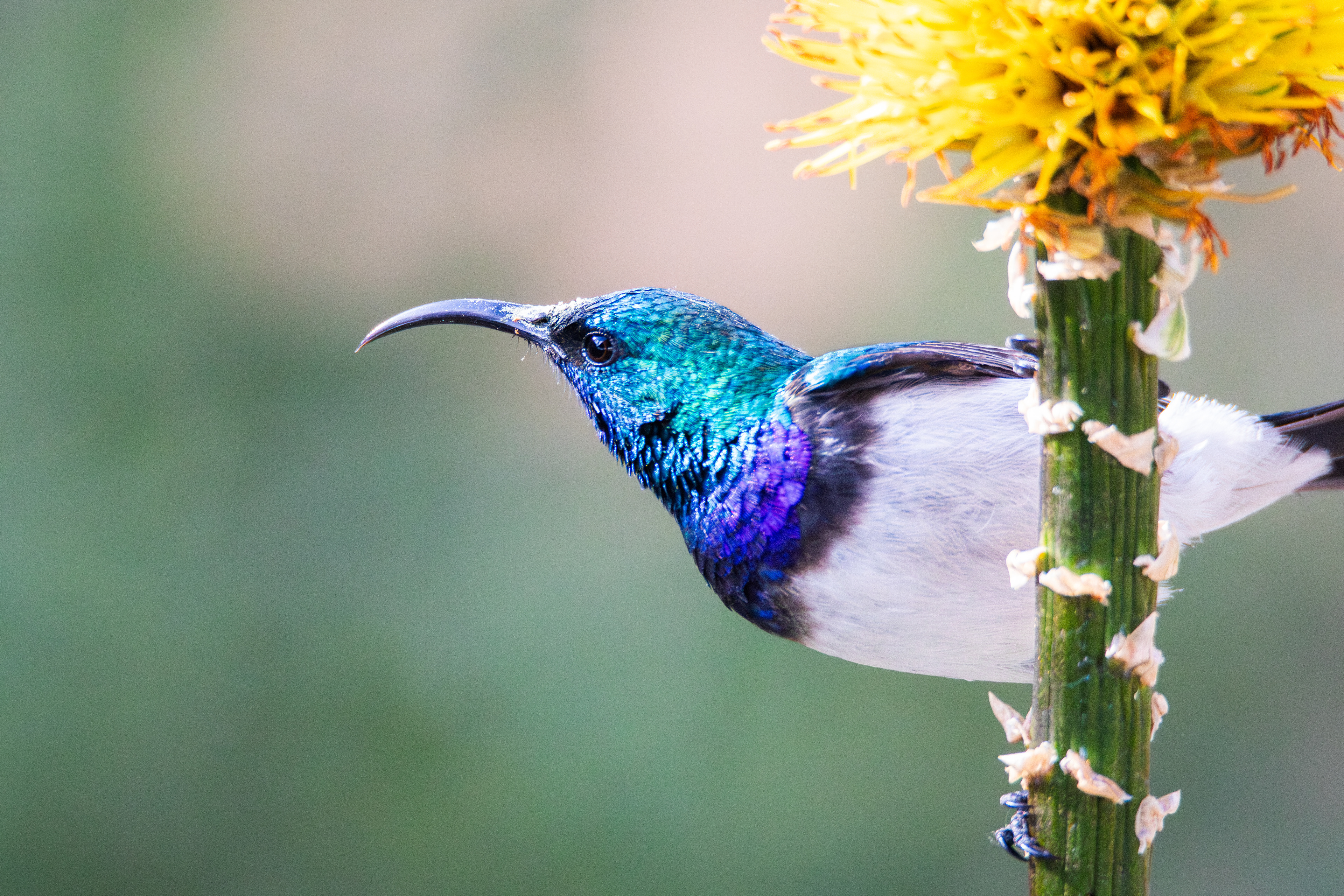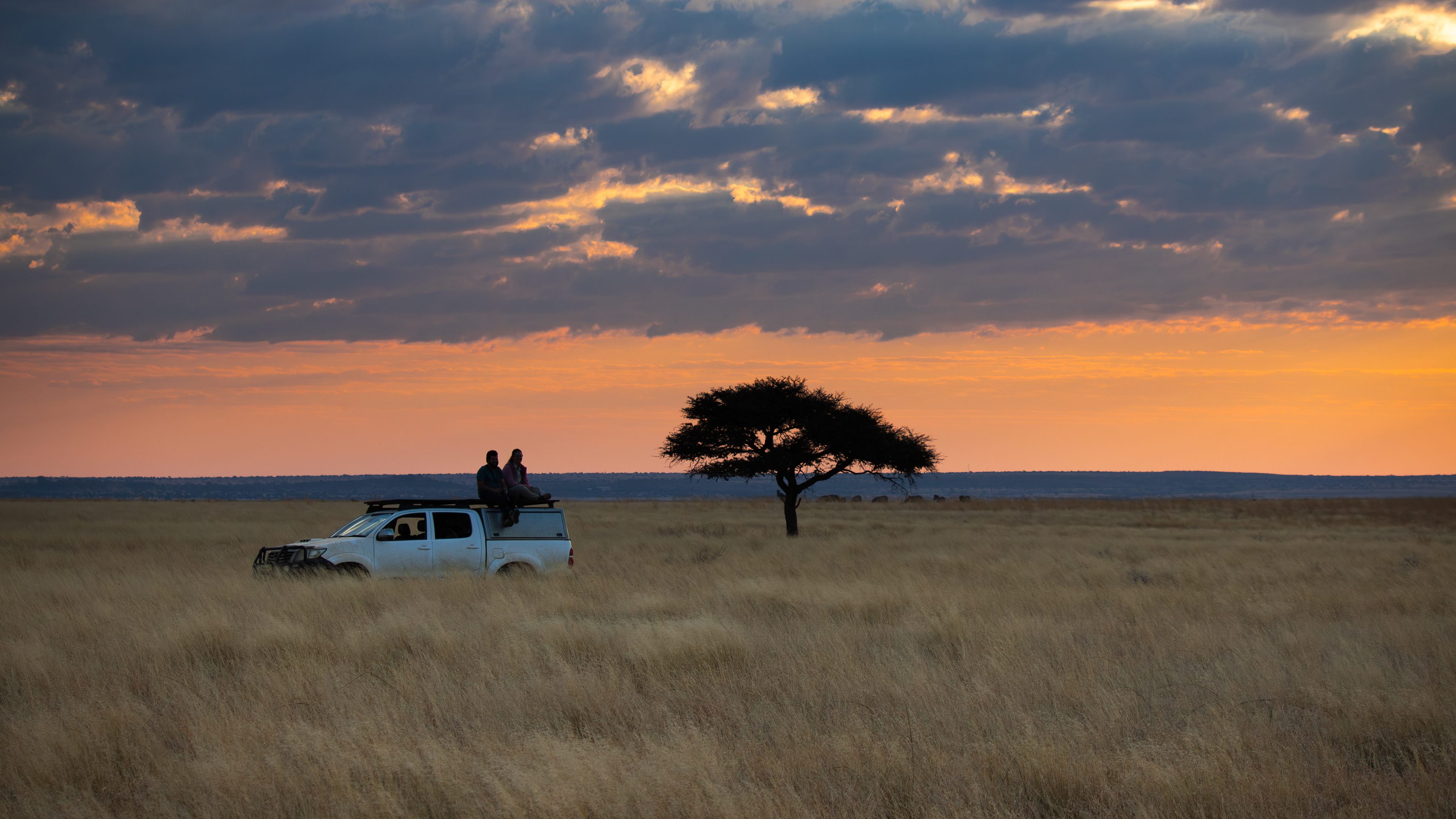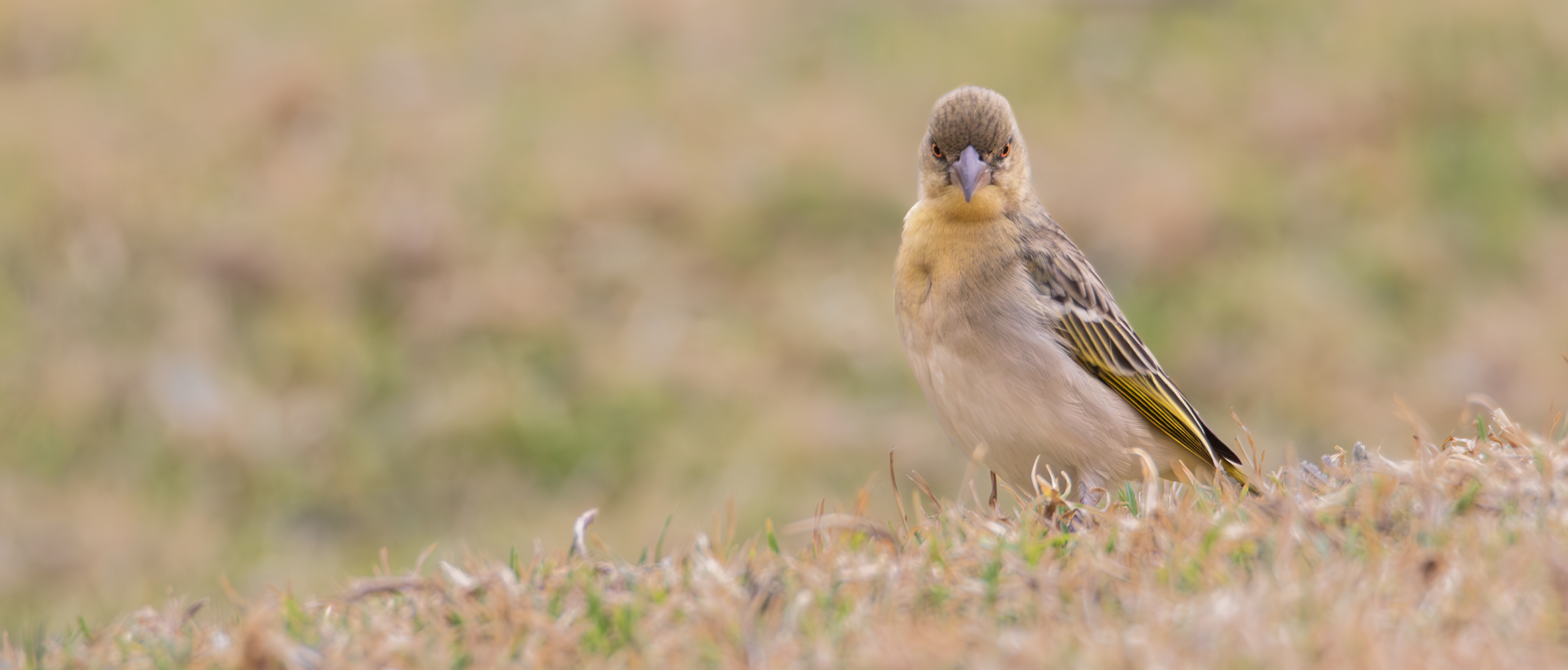
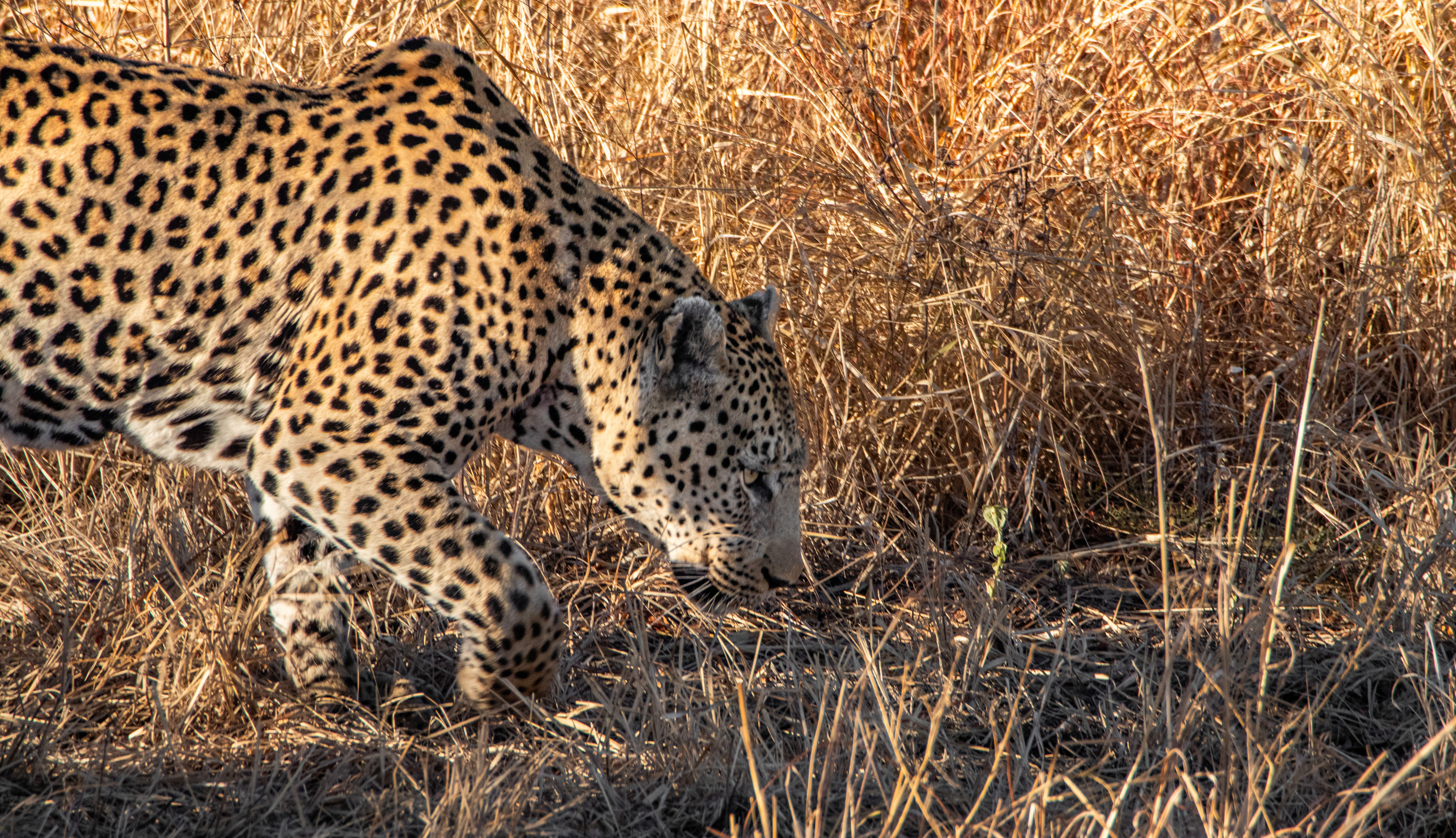
Leopard (Panthera pardus), Kruger NP.
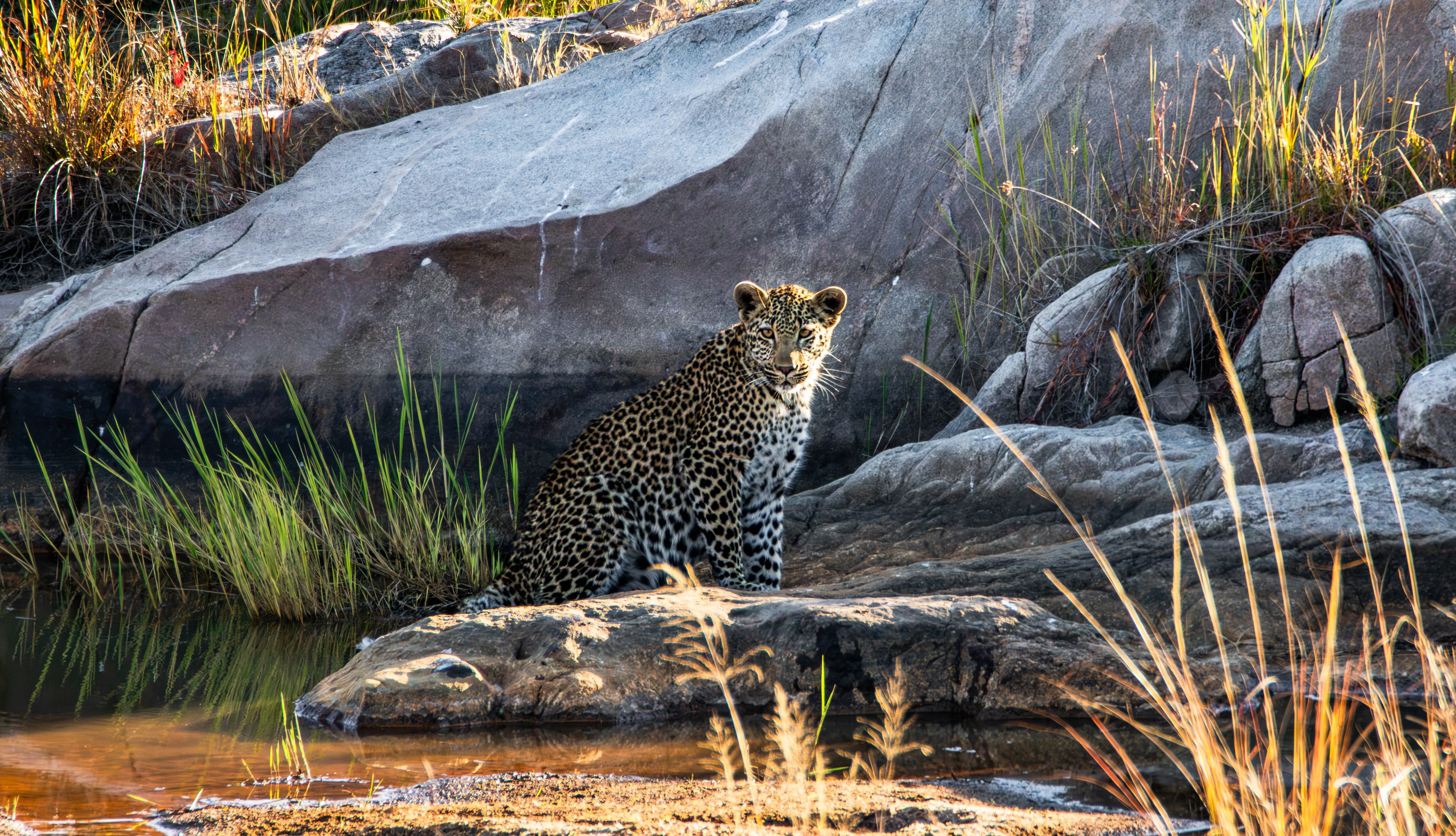
Leopard (Panthera pardus), Kruger NP,.
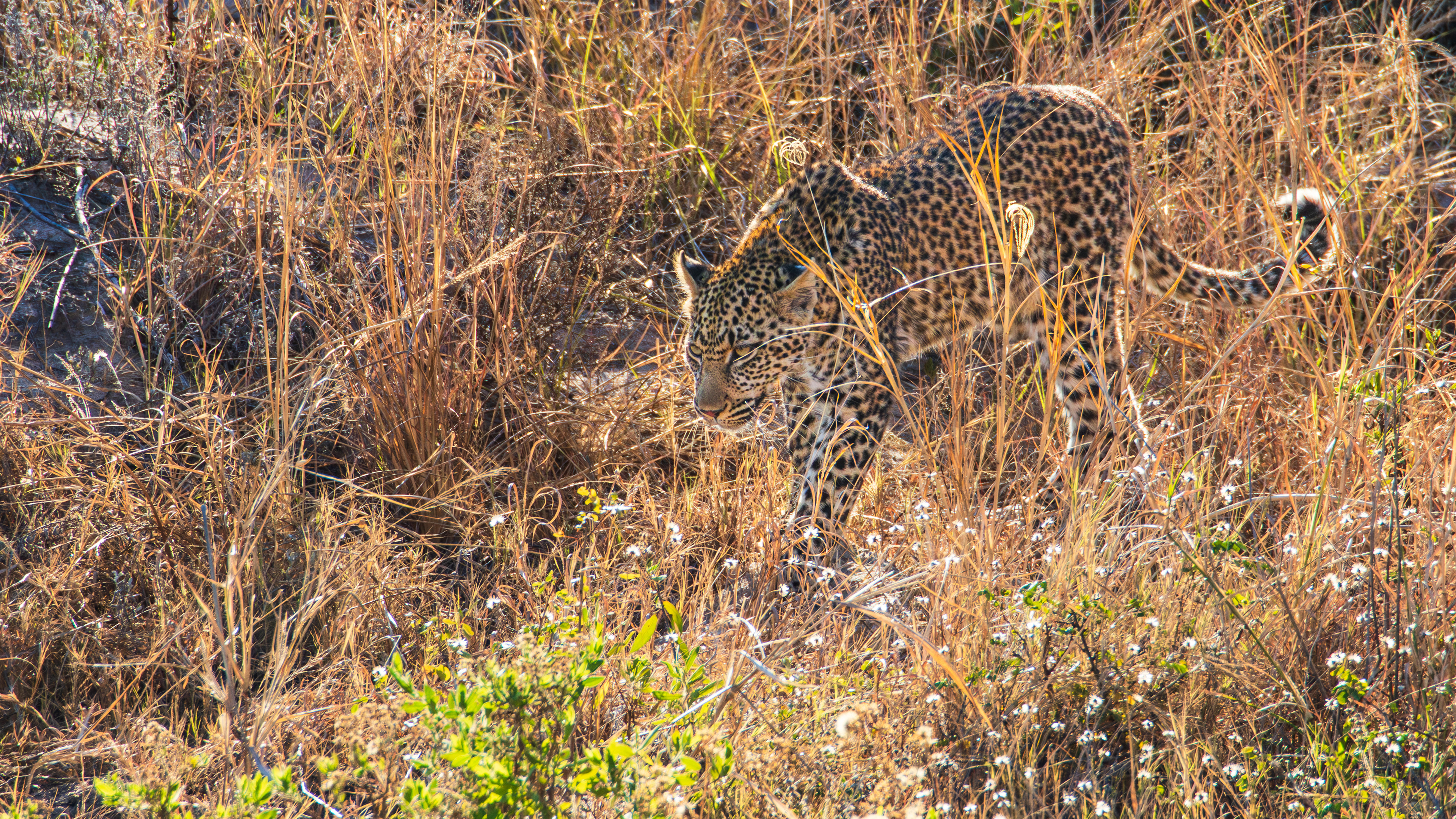
Panthera pardus, Kruger NP.
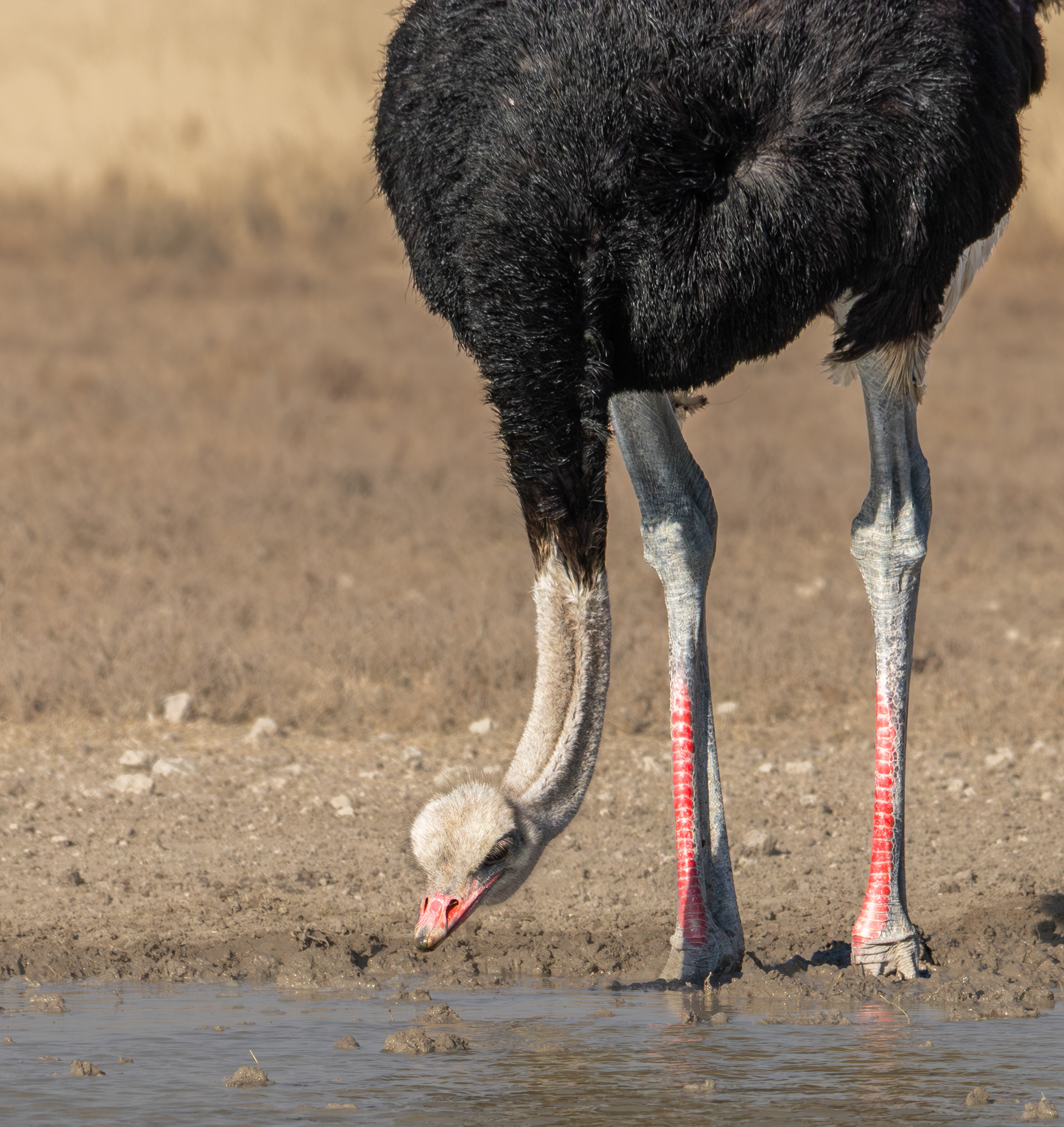
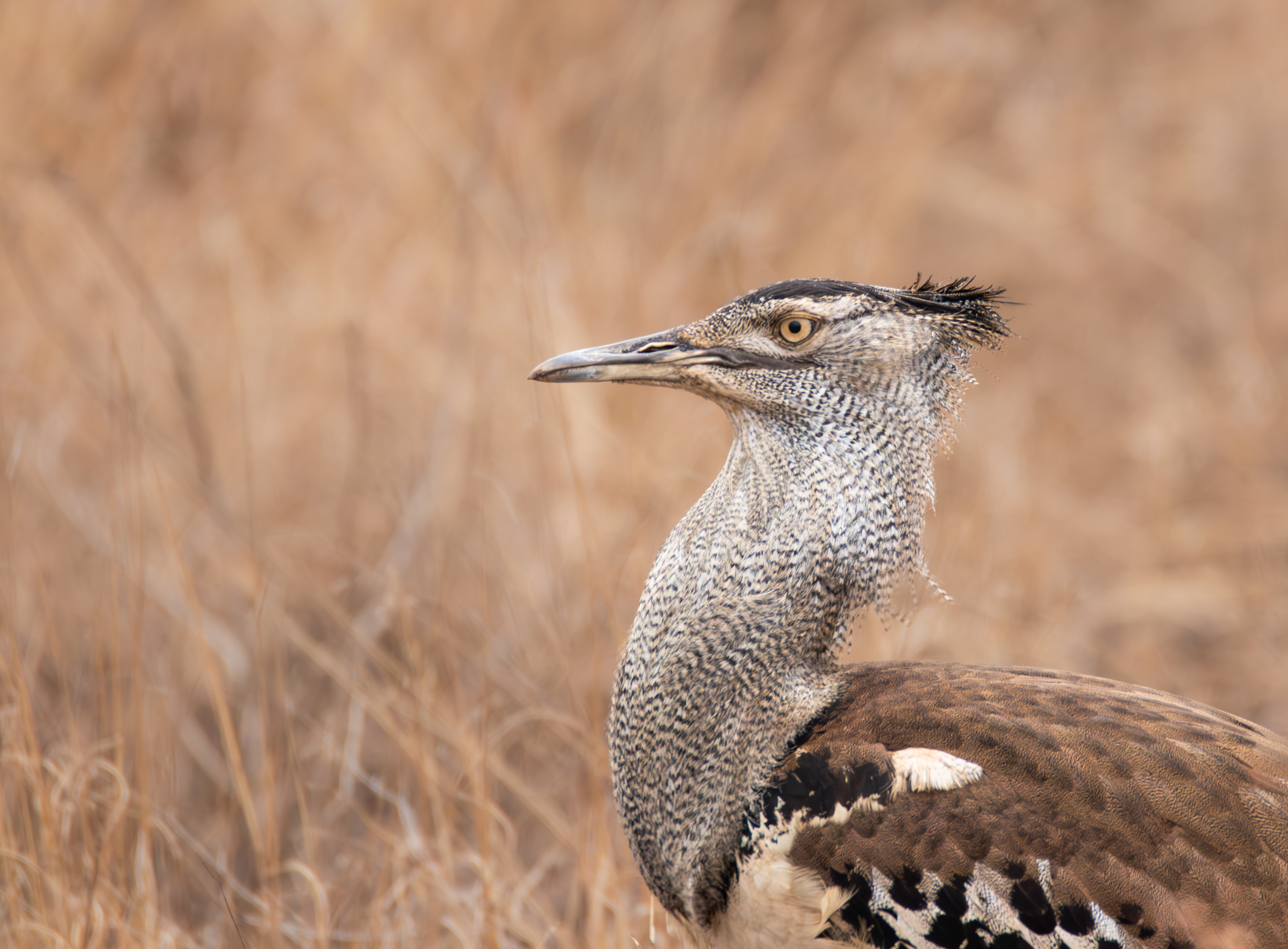
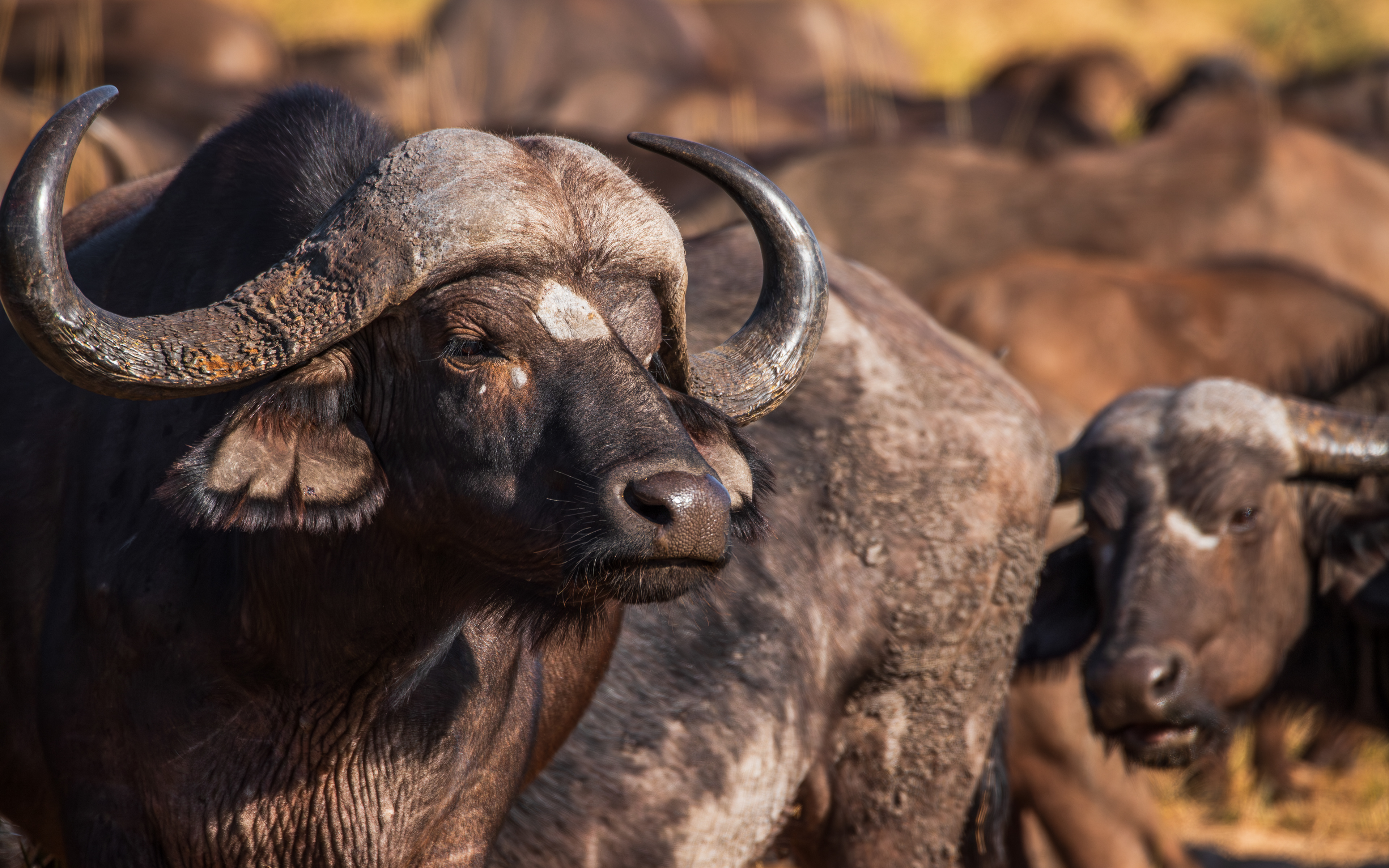
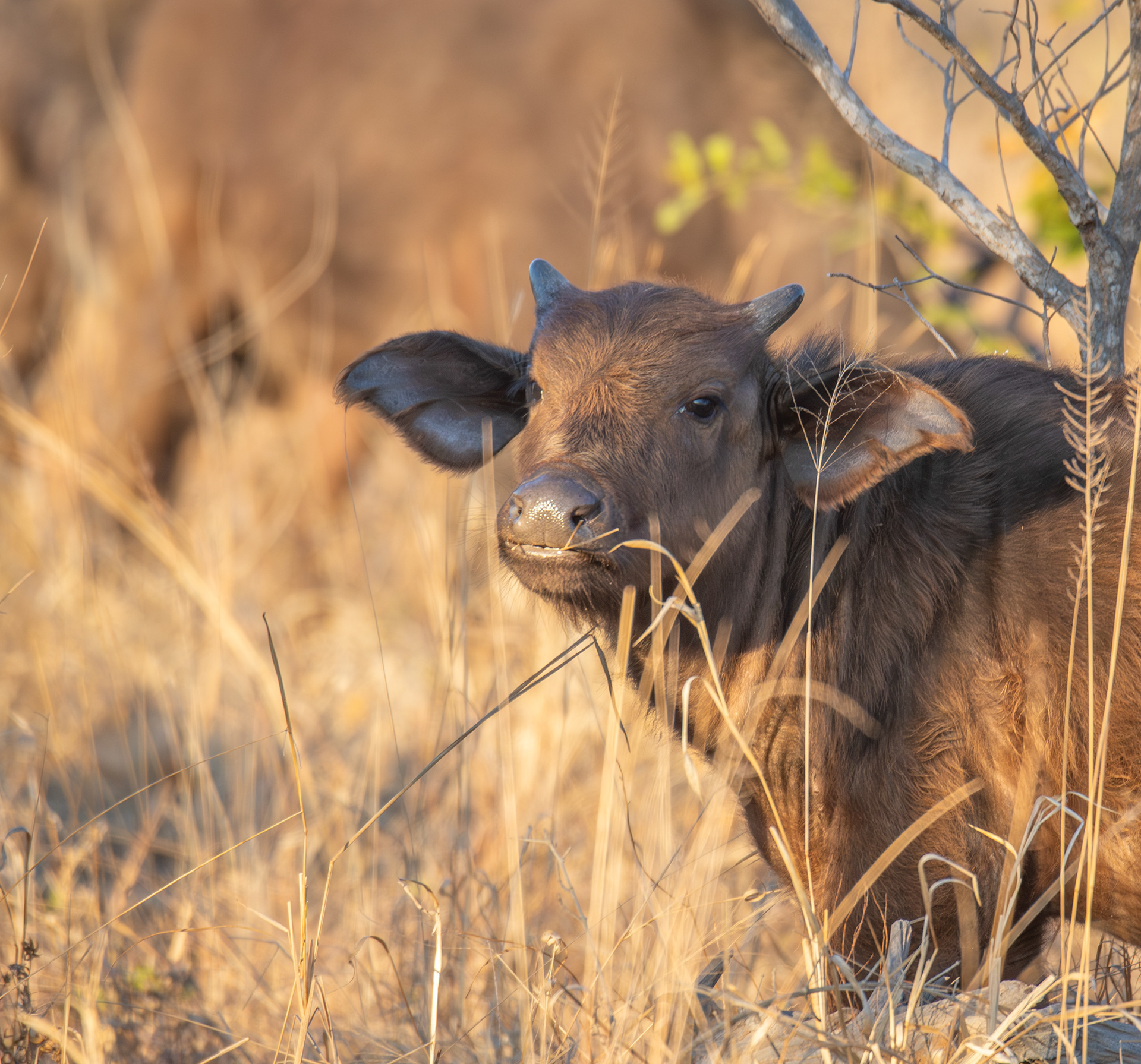
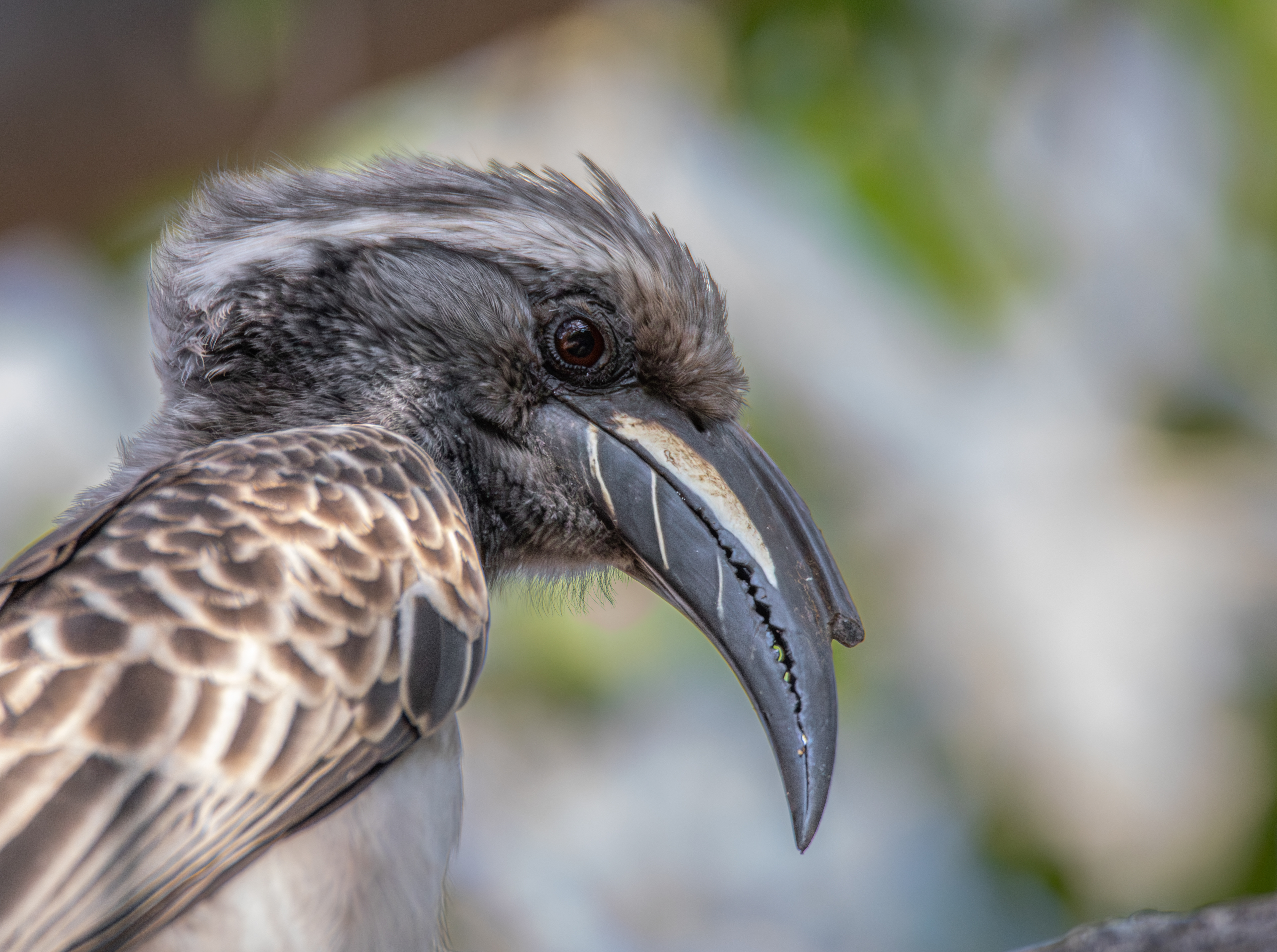
African grey hornbill (Lophoceros nasutus), Kruger NP
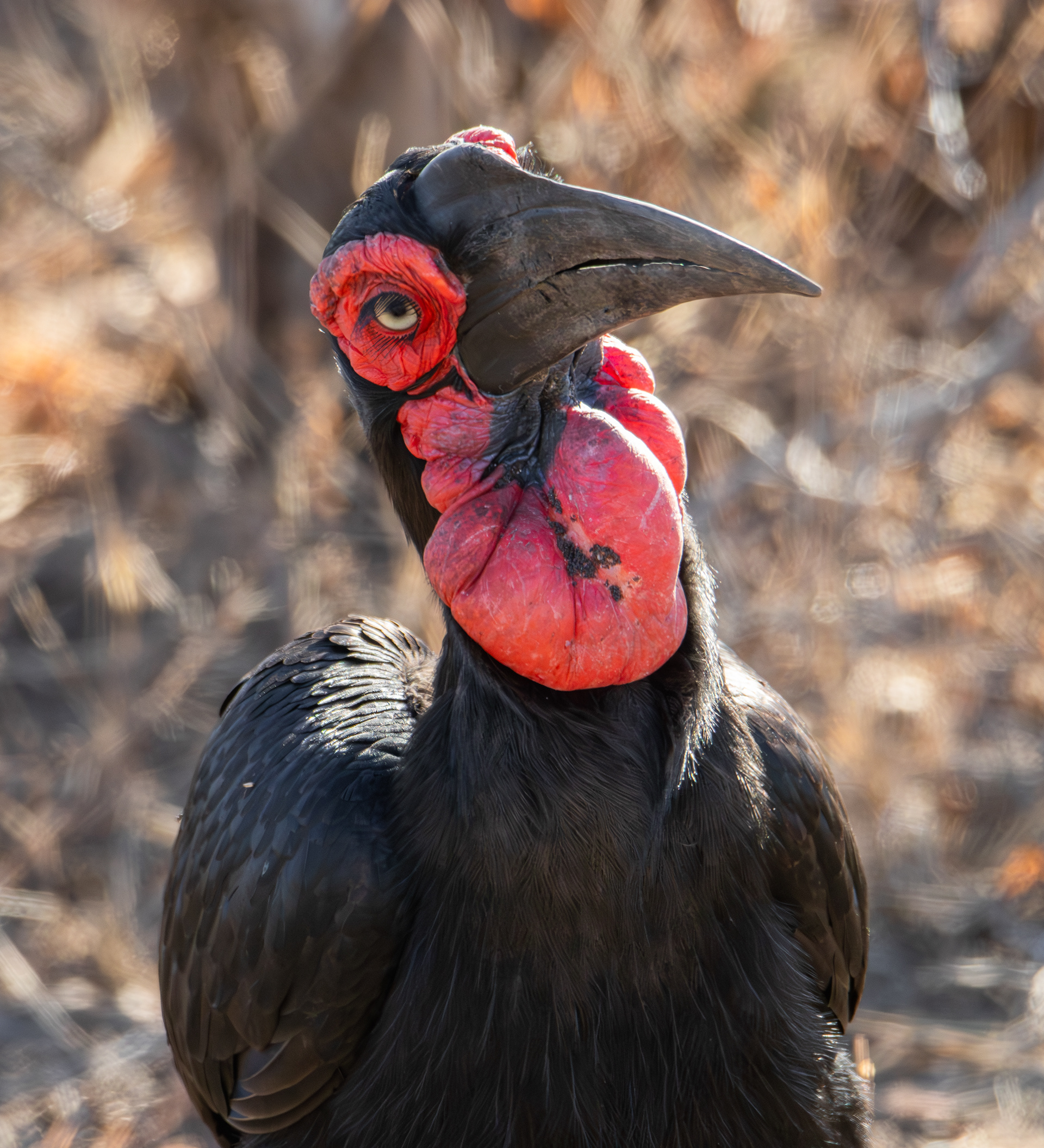
Ground hornbill (Bucorvus leadbeateri), Kruger NP
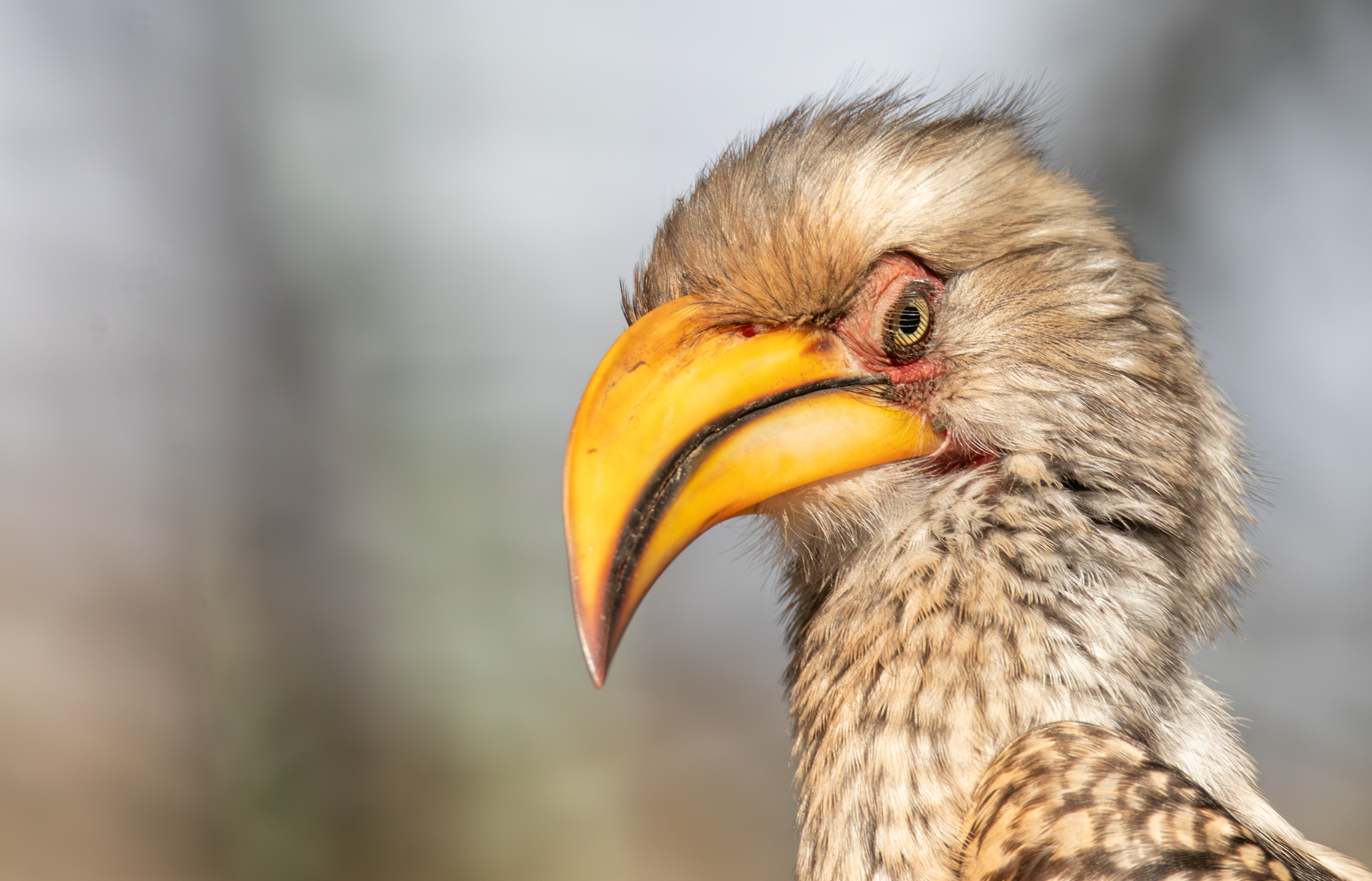
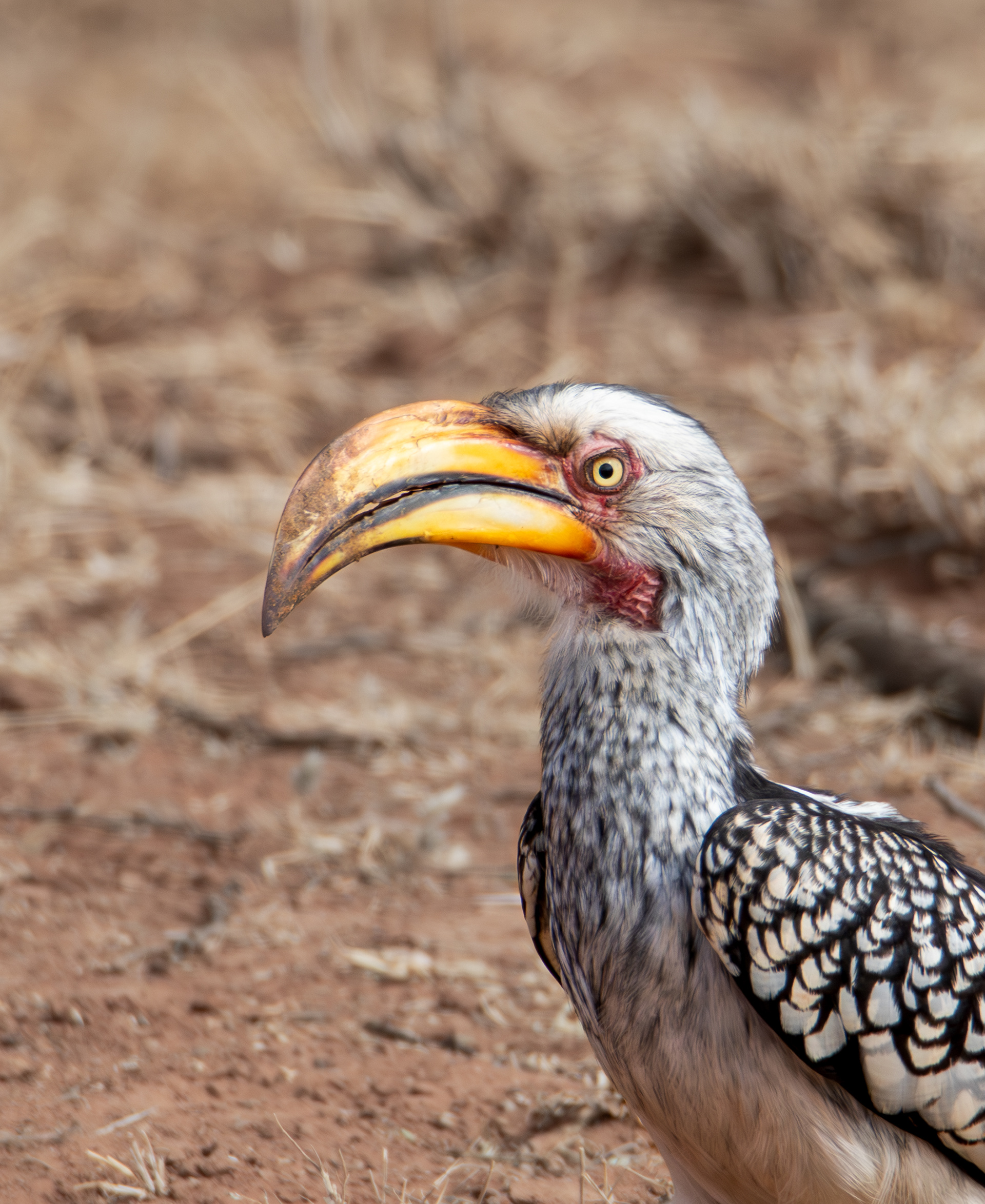
Yellow-billed hornbill (Tockus leucomelas), Kruger NP
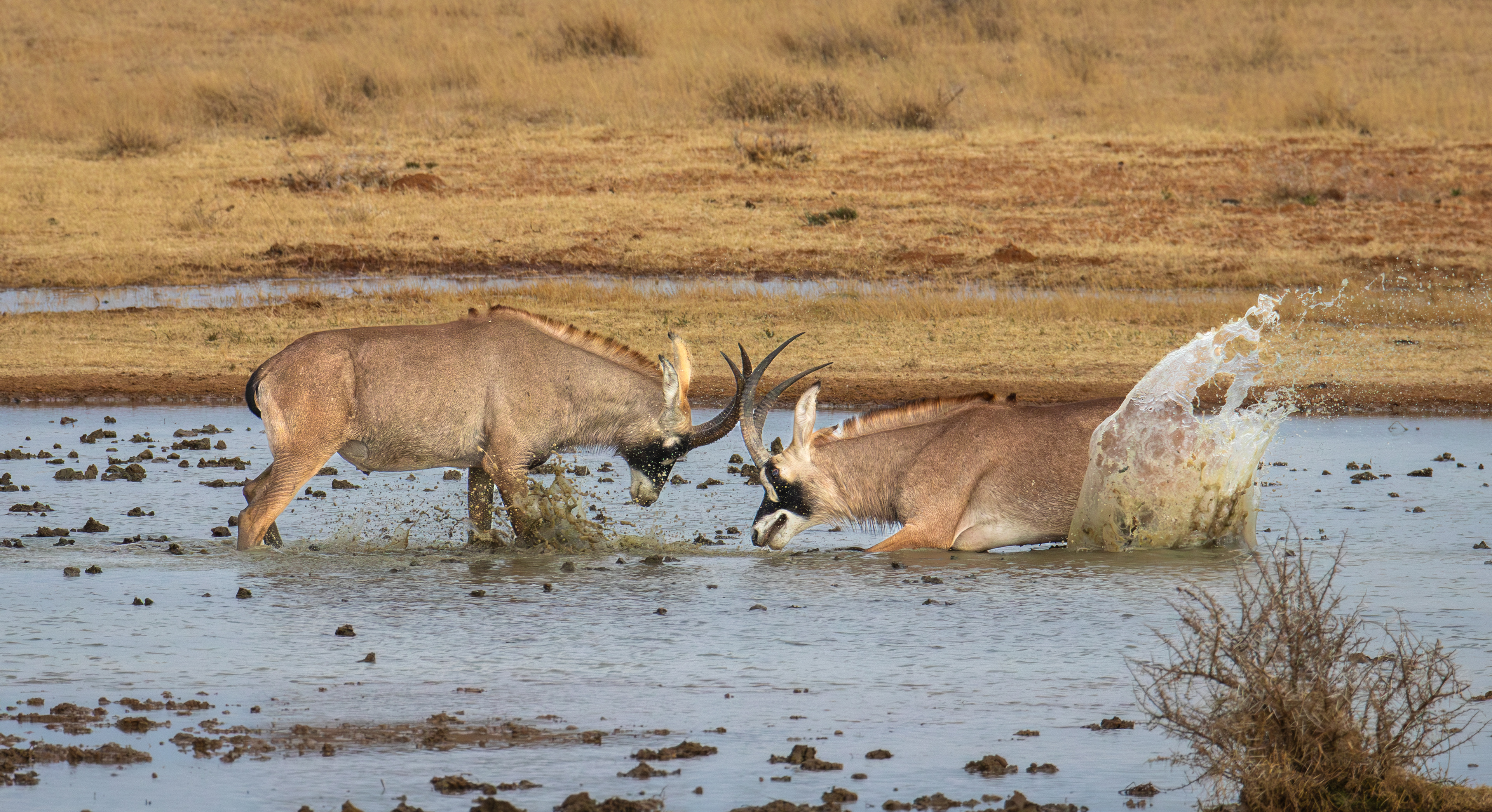
We spent two days in Mokala National Park. We mostly came to see sable antelopes and rhinos. To be honest, I had never even heard of roan antelopes before this trip—but they quickly became our favorite part of the visit.
The day was cloudy when we stopped at a viewpoint where, according to Alex, “there’s nothing to see.” Shortly after we arrived, though, we heard noise and suddenly saw two roan males chasing each other. They ran around a small pond, and after almost a full circle, the chased male dashed into the water—and that’s where the fight erupted.
The fight was dramatic but relatively short. Most of the time they stood frozen, staring at each other, but then came a few violent clashes with roaring and huge splashes of water. After those brief but intense moments, the chaser—seemingly the winner—slowly walked away, leaving the defeated male behind. The loser remained in the mud for almost twenty minutes, barely moving the entire time.
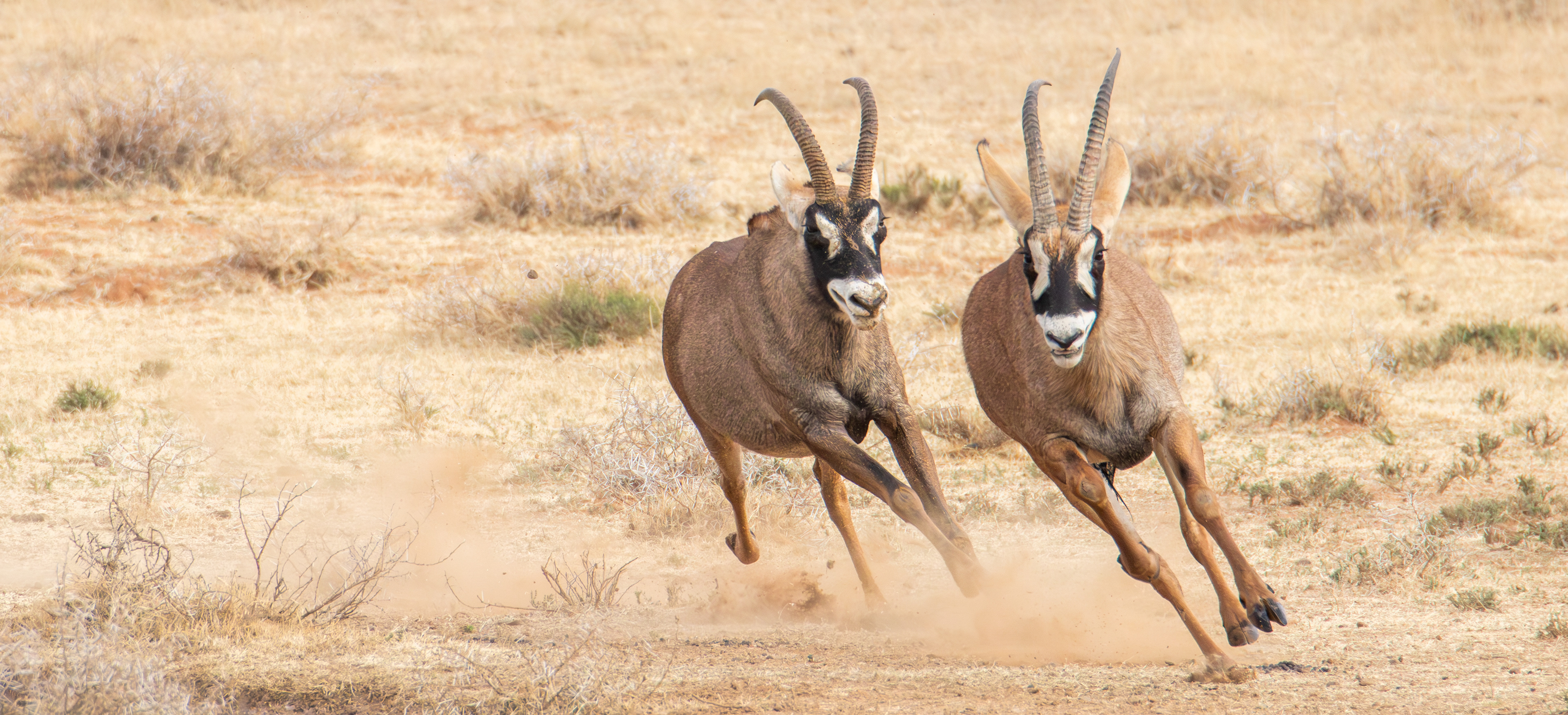
Roan antelope (Hippotragus equinus), Mokala NP.
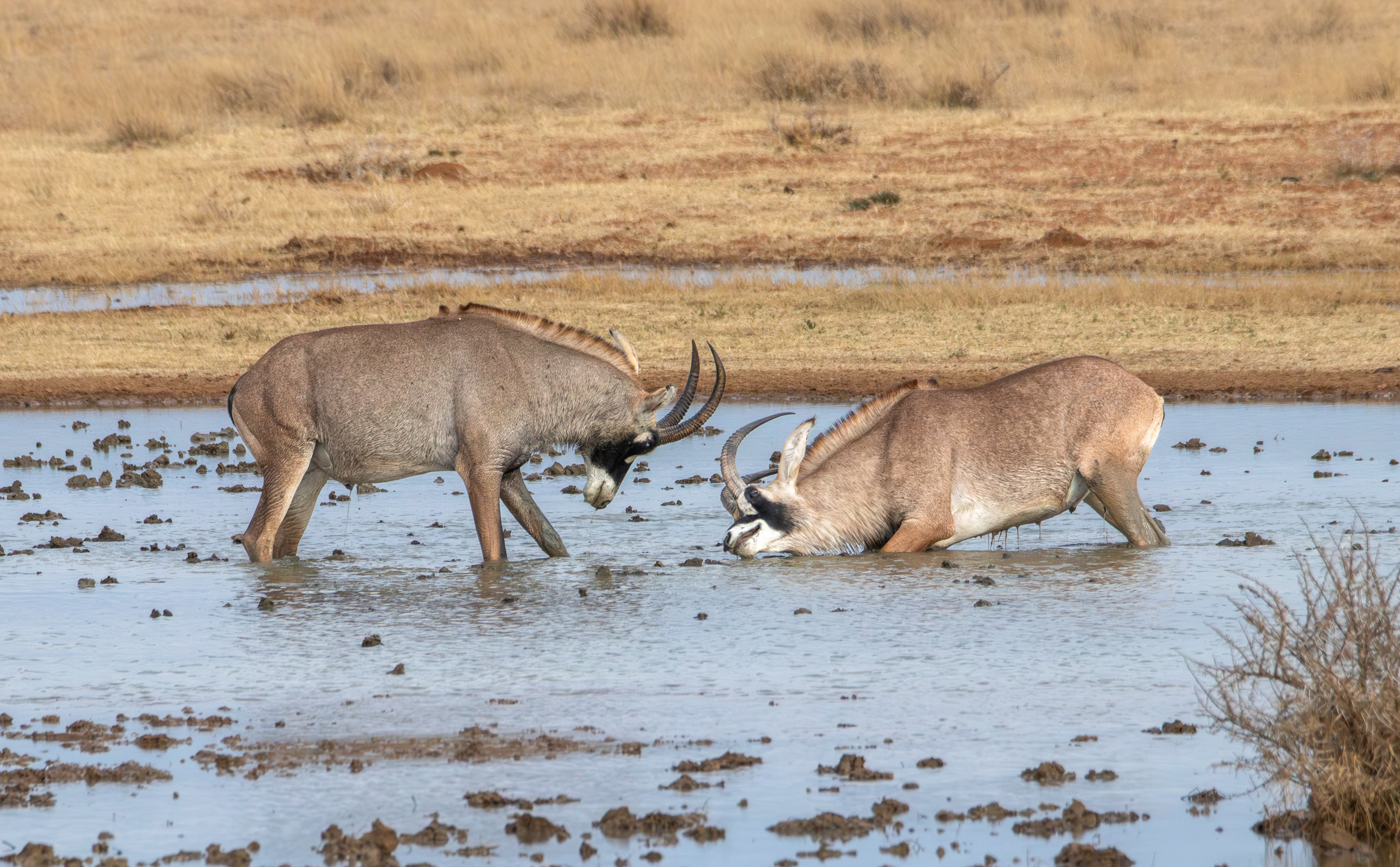
Roan antelope (Hippotragus equinus), Mokala NP.
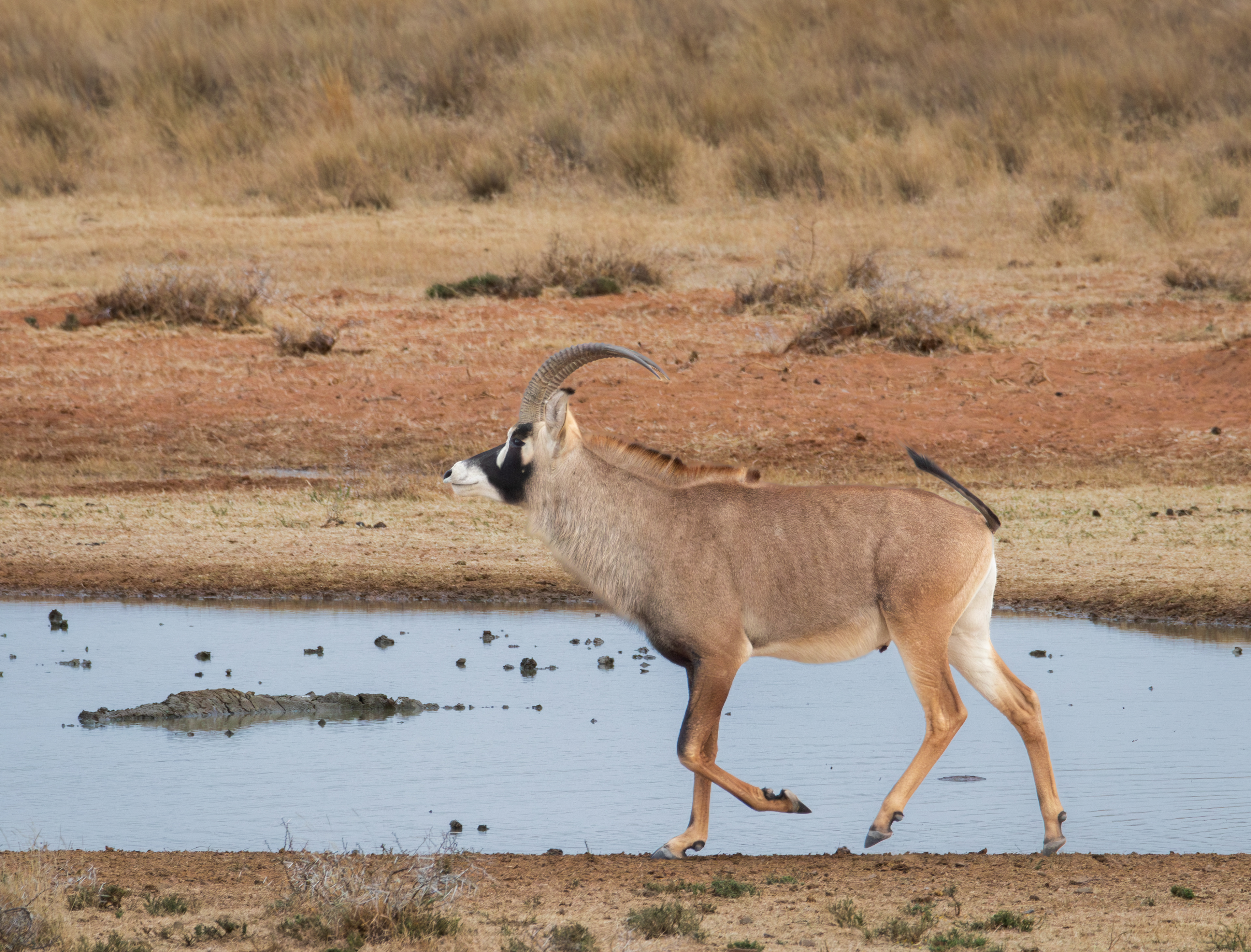
Roan antelope (Hippotragus equinus), Mokala NP.
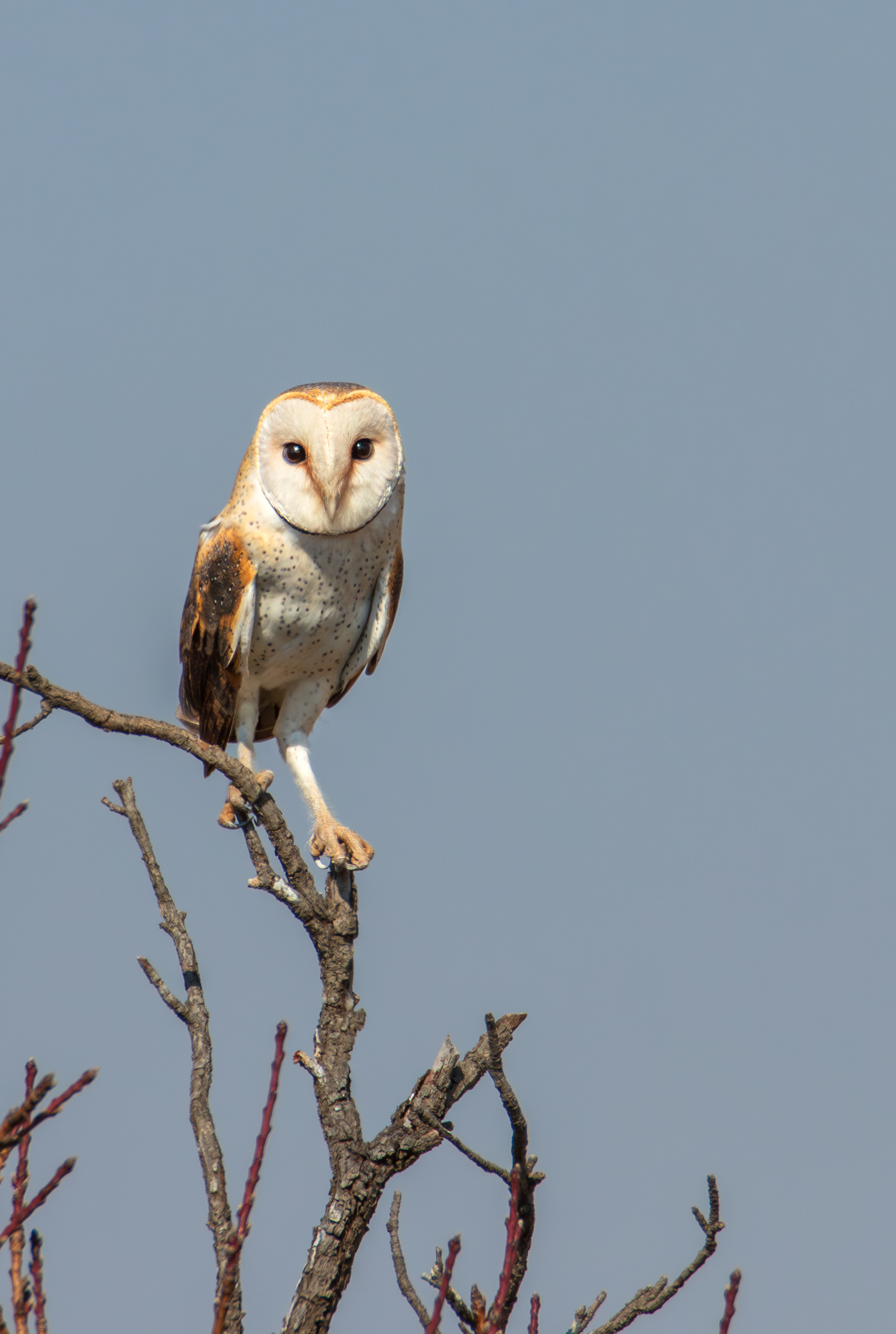
Barn owl (Tyto alba), Benfontein NR.
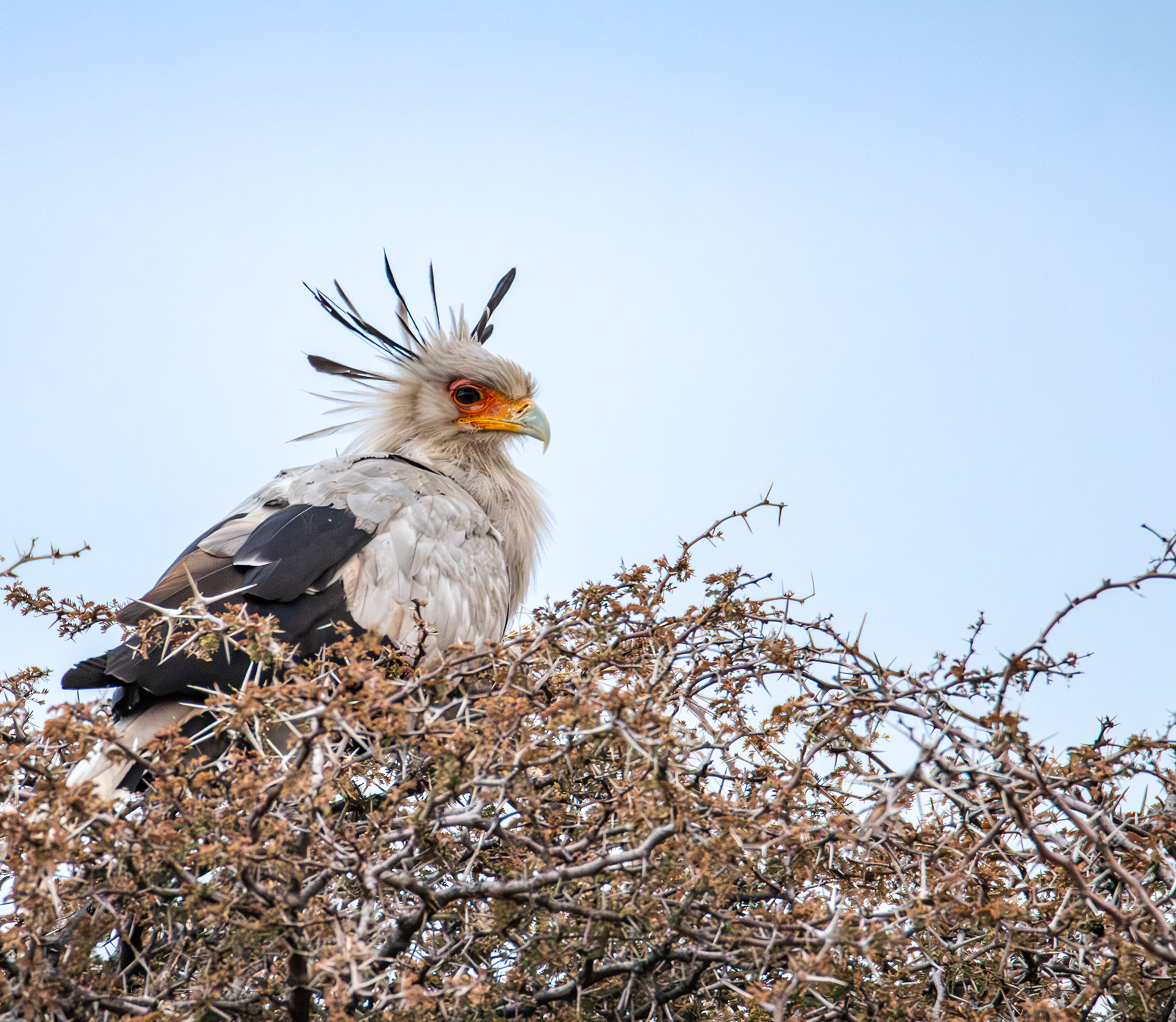
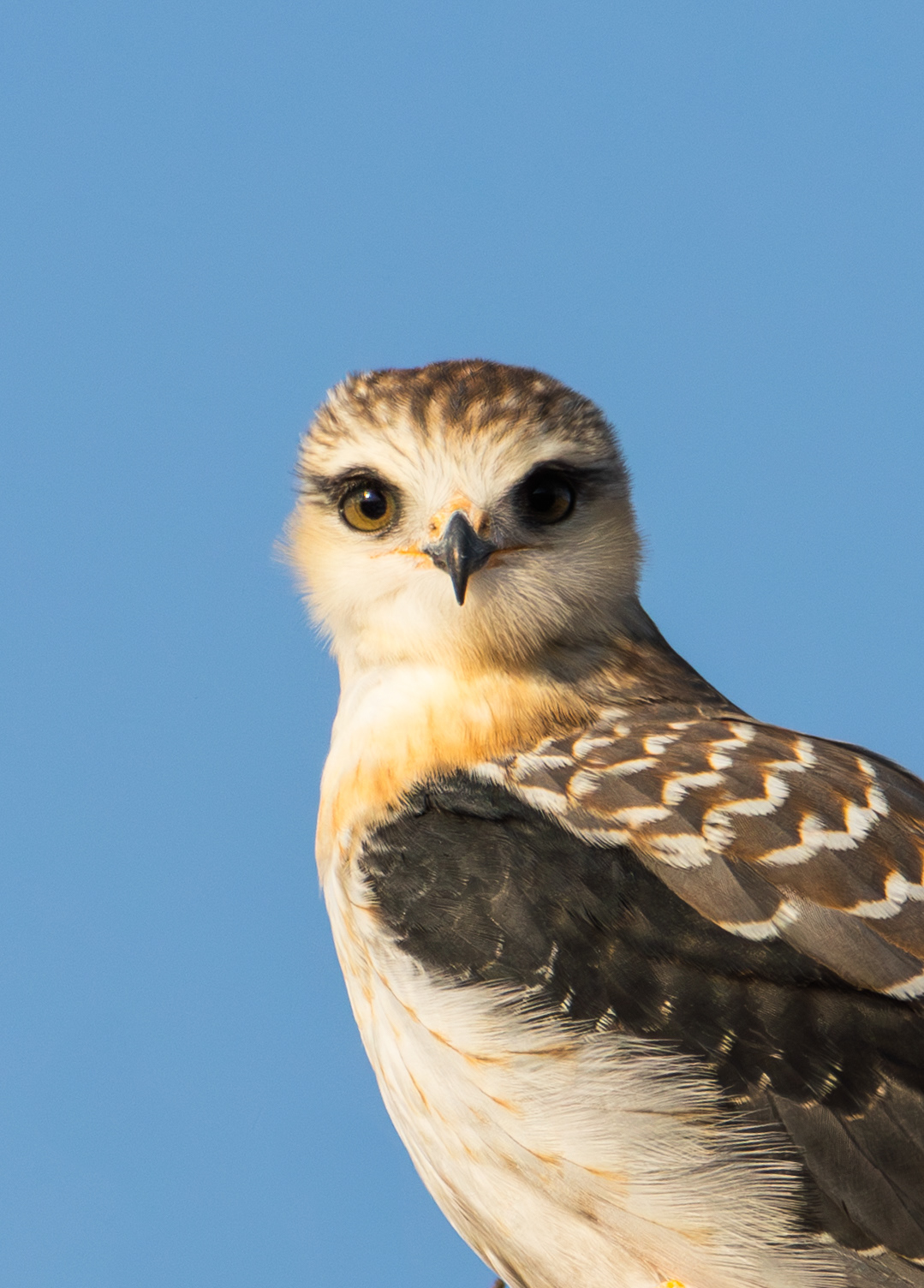
Black-winged kite (Elanus caeruleus), Benfontein NR.
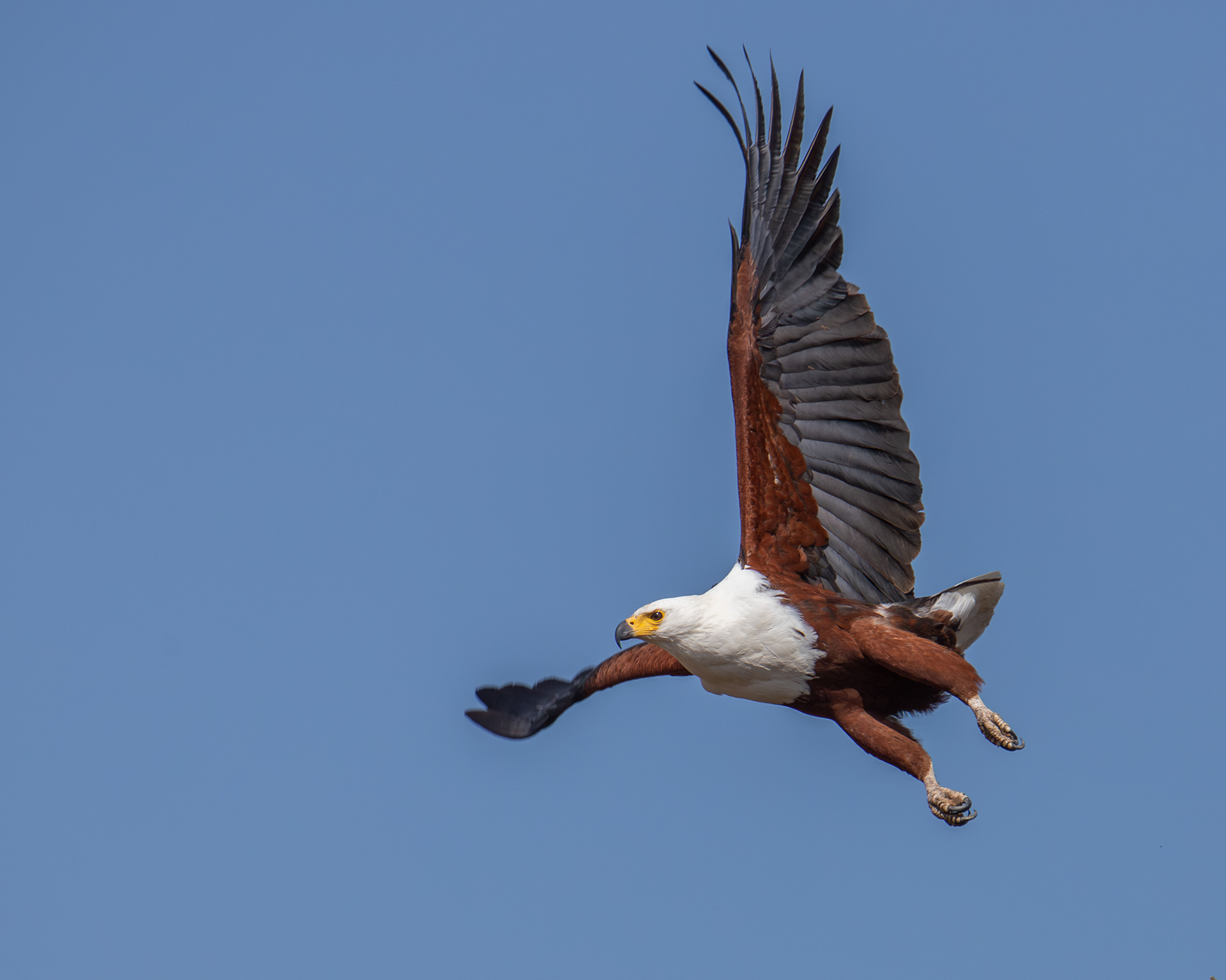
Arican fish eagle (Haliaeetus vocifer), Kruger NP
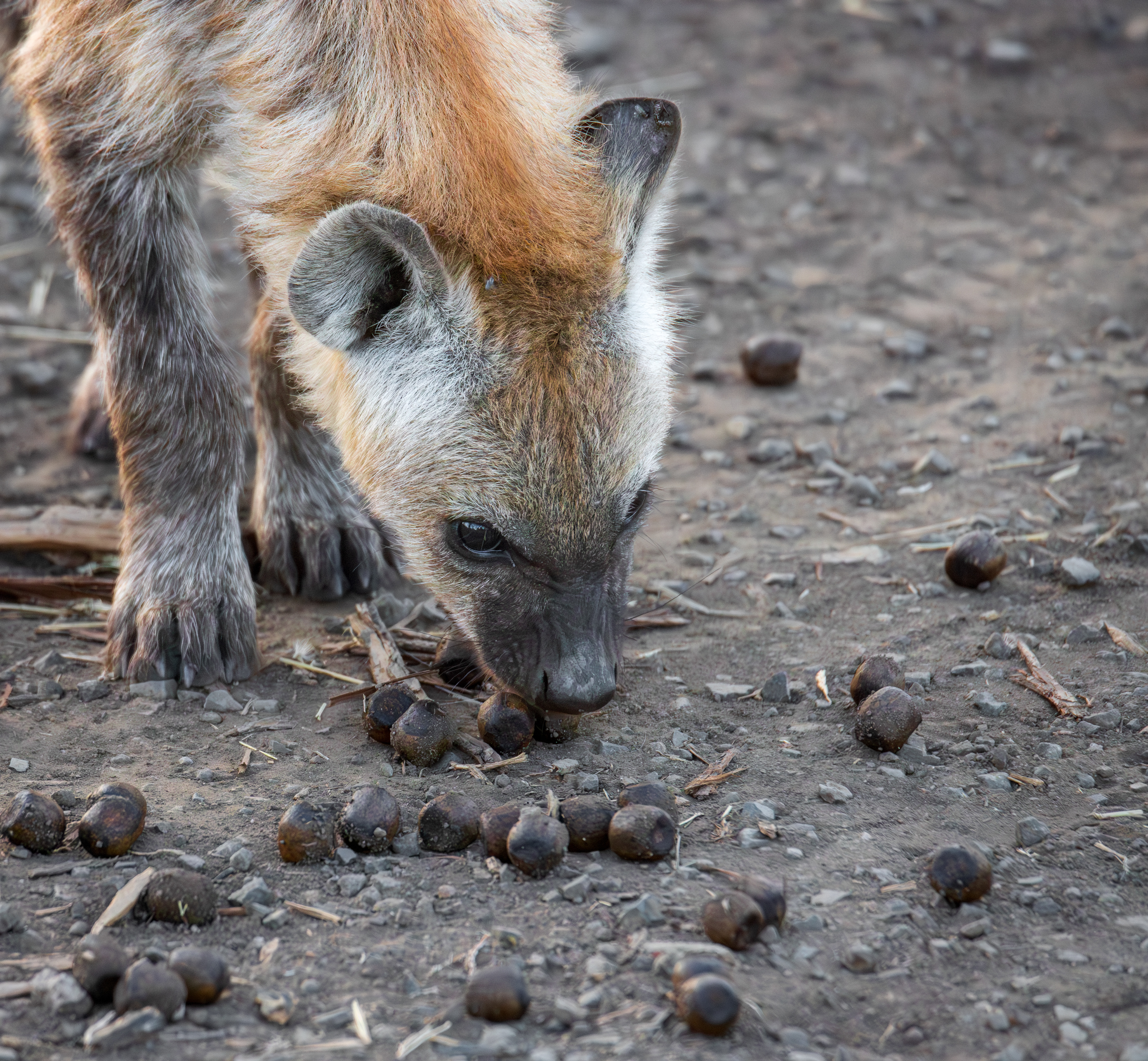
Spotted hyena cub (Crocuta crocuta), Kruger NP.
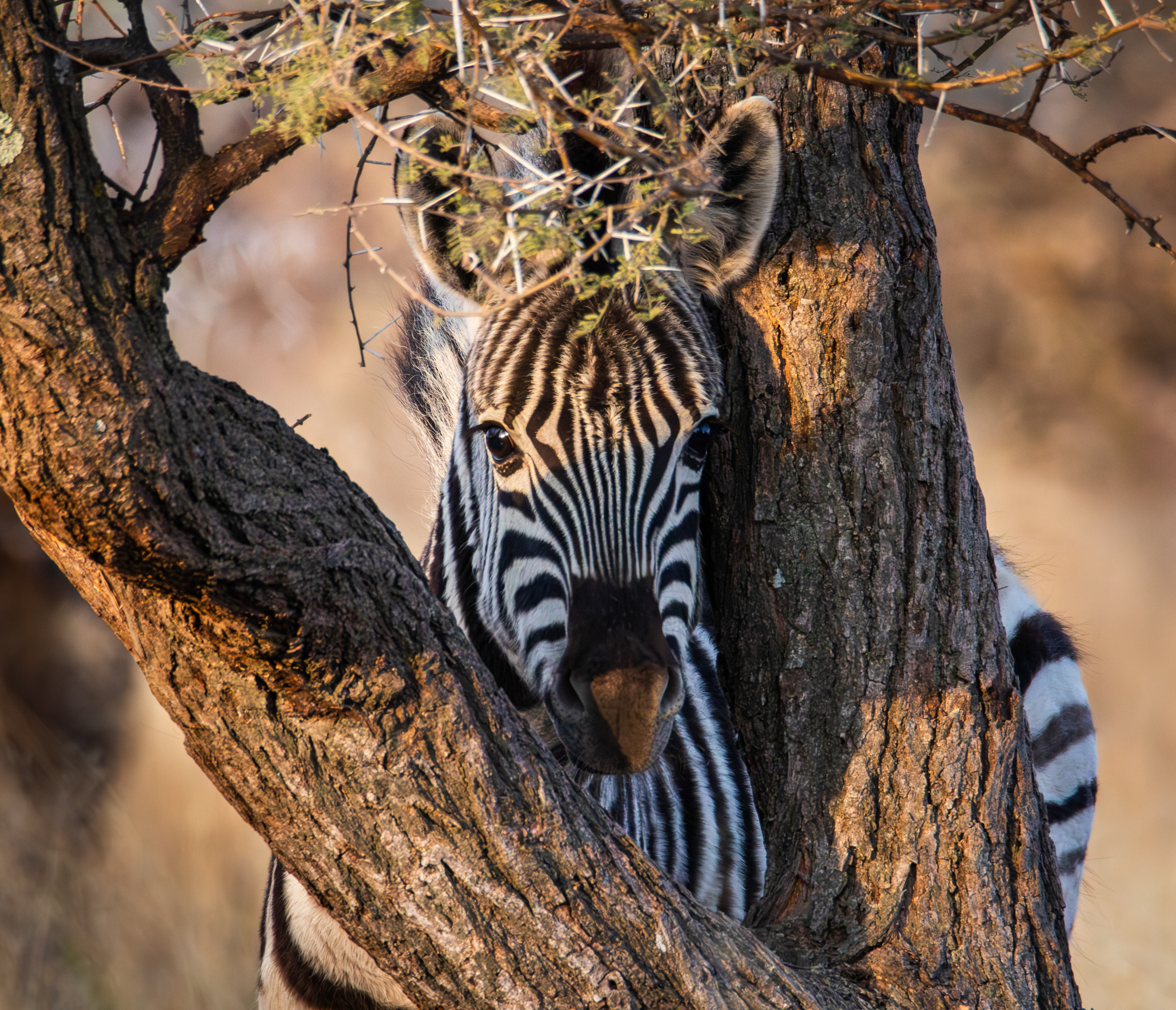
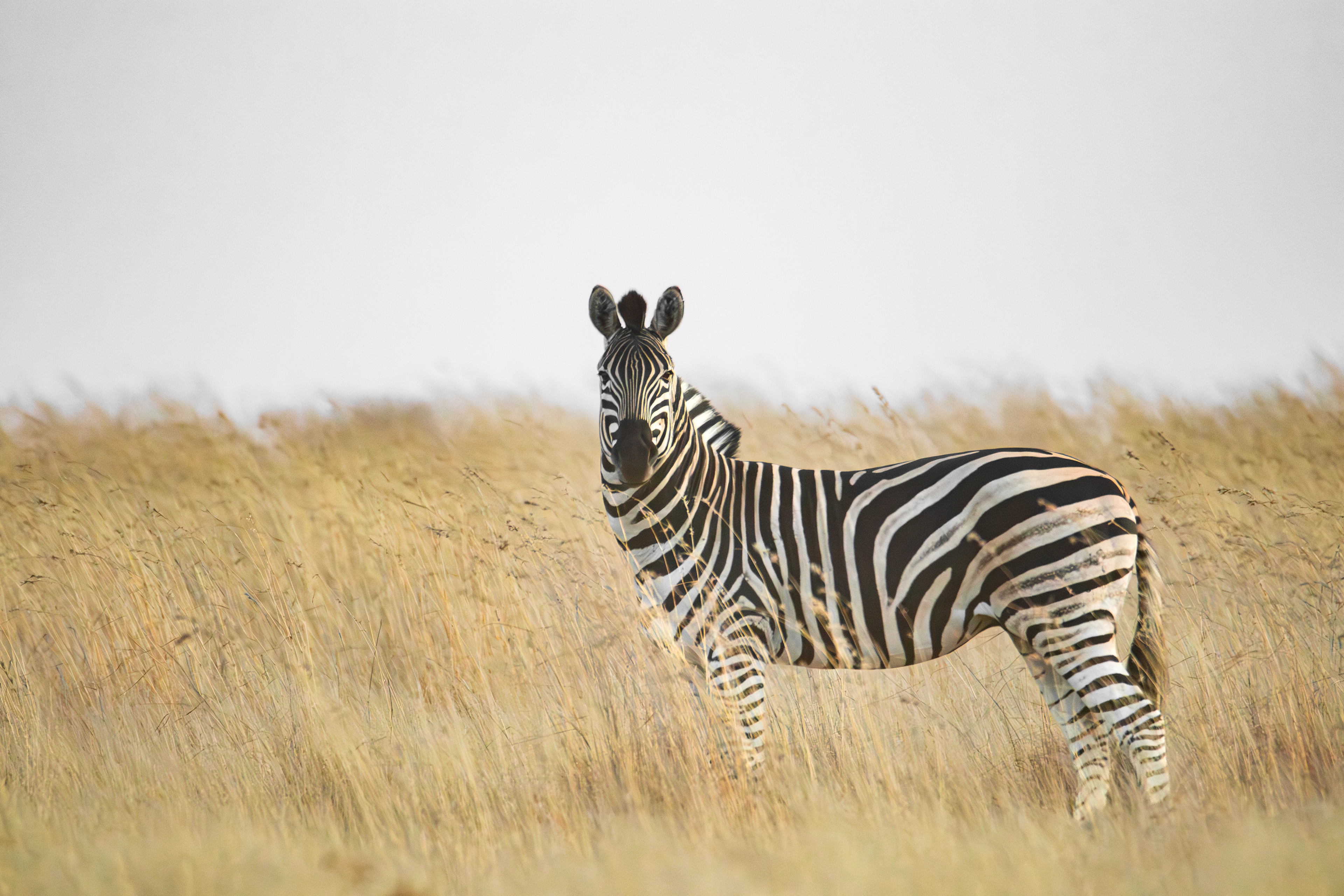
Zebra foal (Equus quagga), Kruger NP.
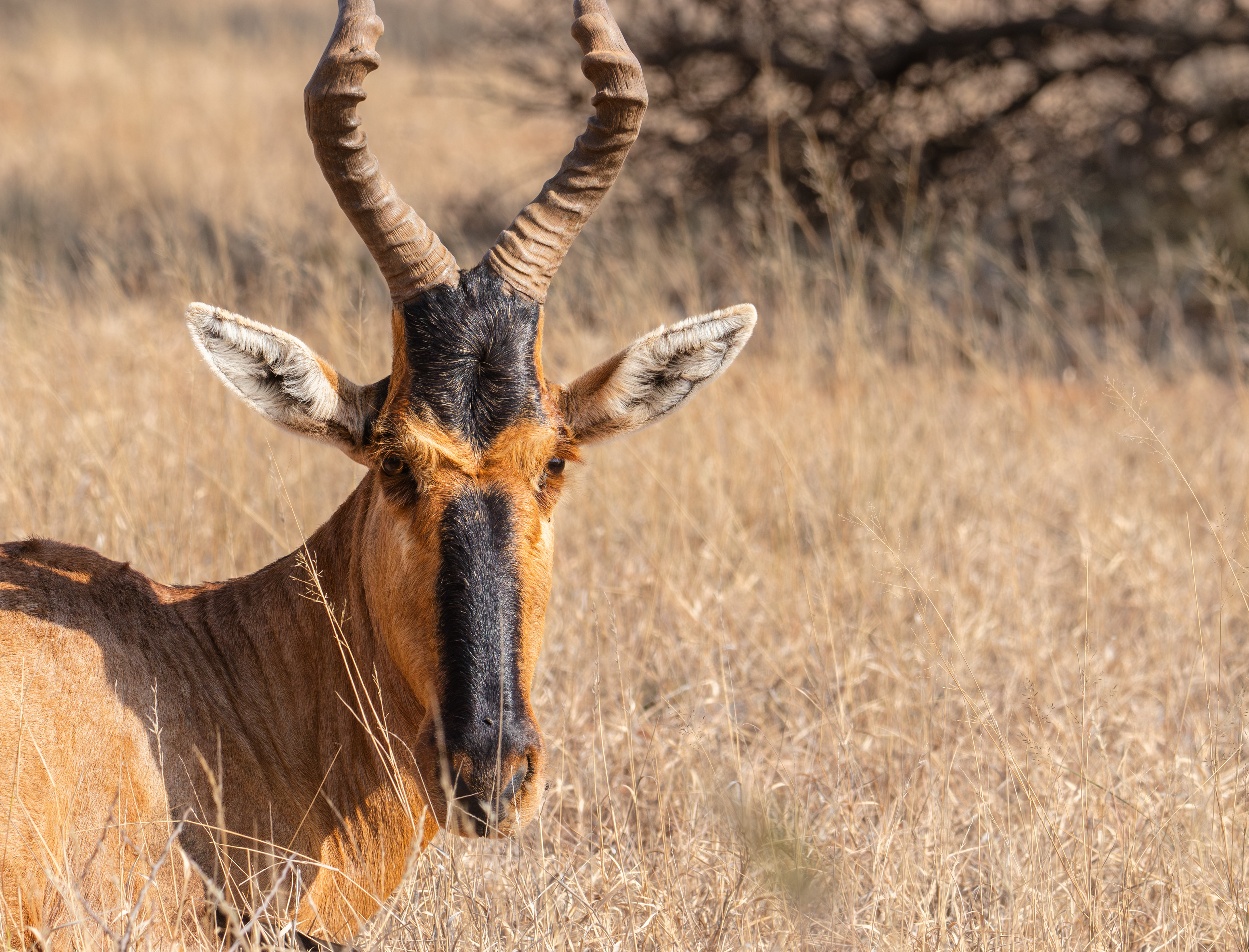
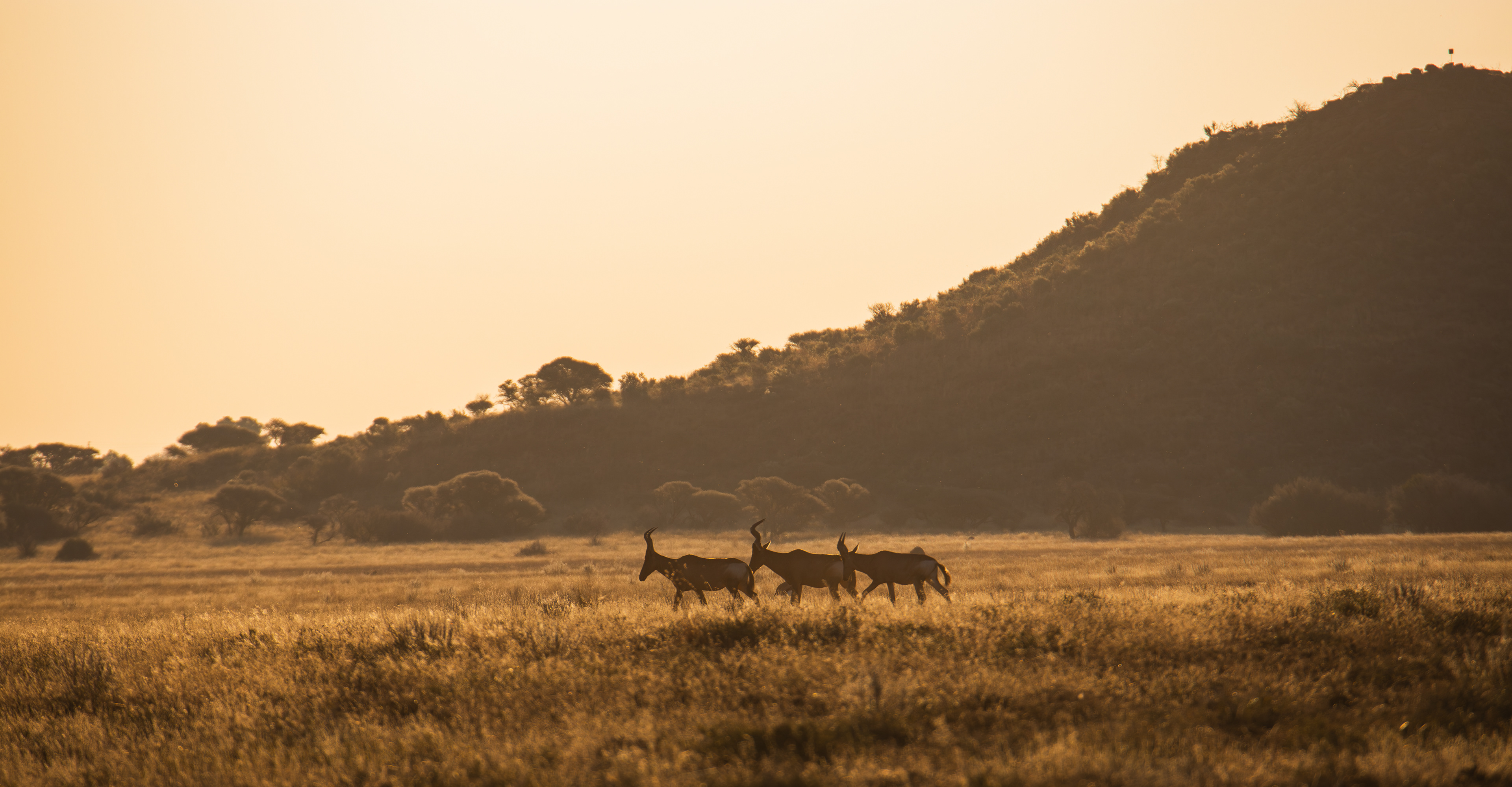
Red hartebeest (Alcelaphus buselaphus caama), Mokala NP.
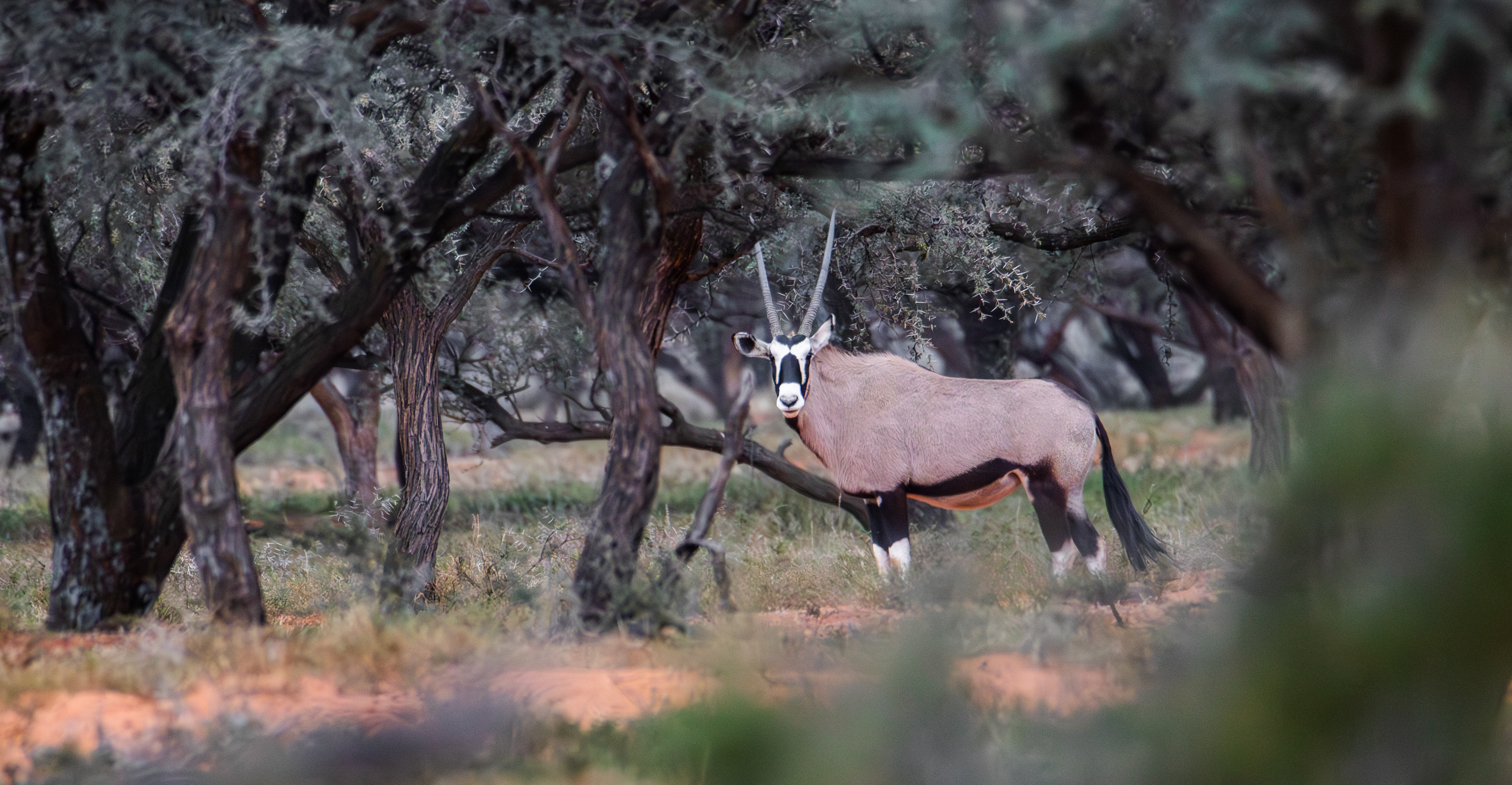
Gemsbok (Oryx gazella), Mokala NP.
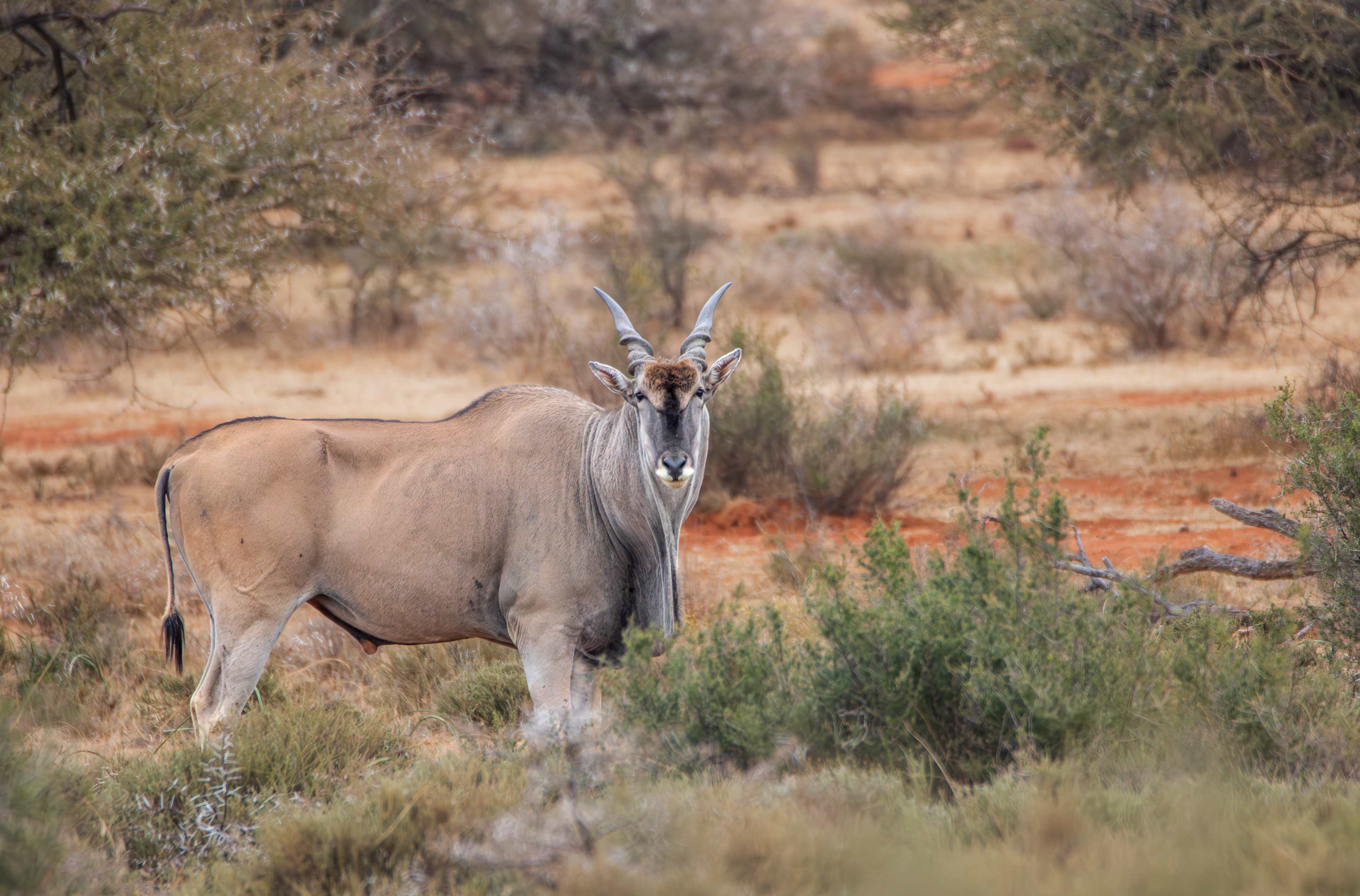
Common eland (Taurotragus oryx), Mokala NP.
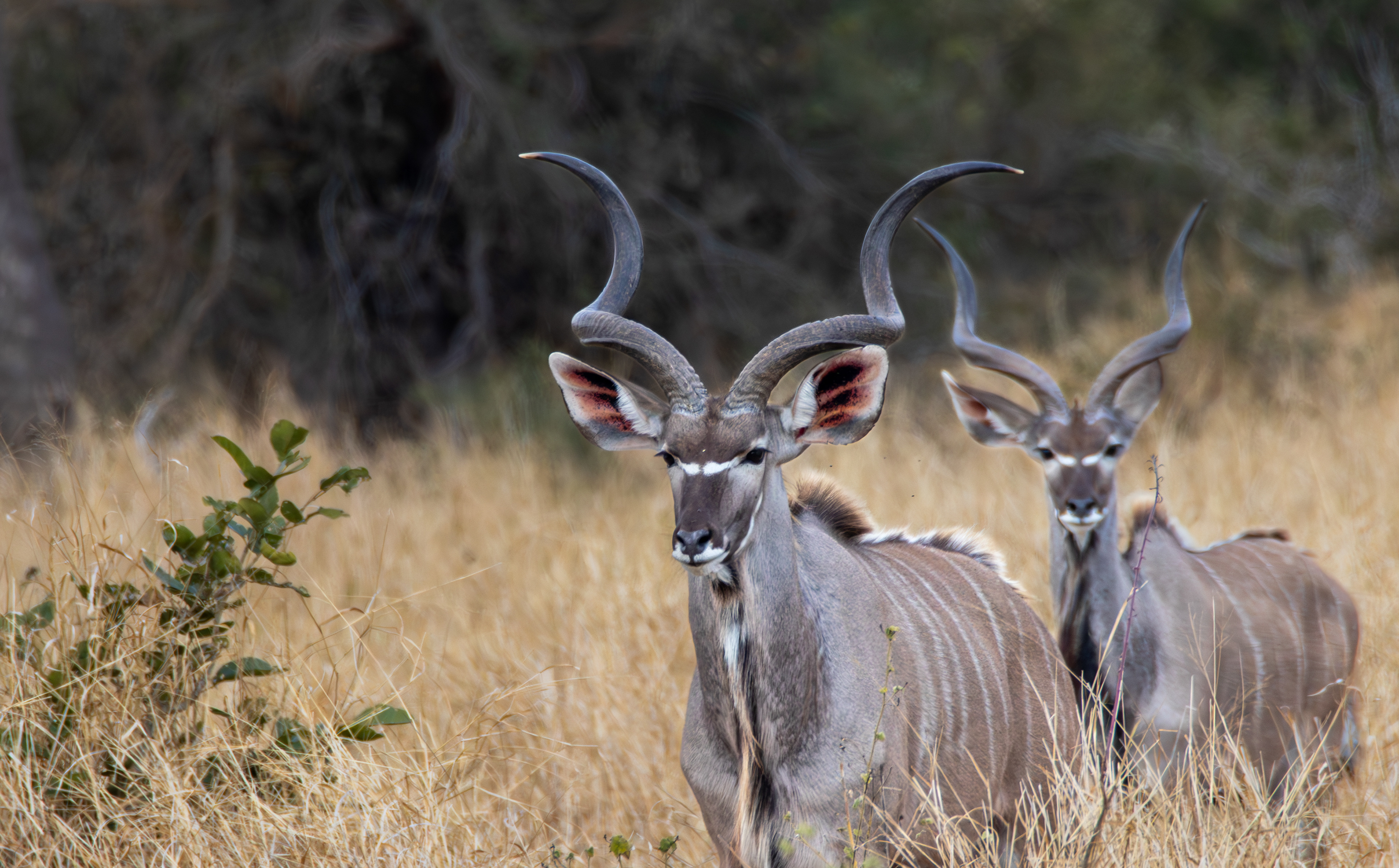
Greater kudu (Tragelaphus strepsiceros), Mokala NP.
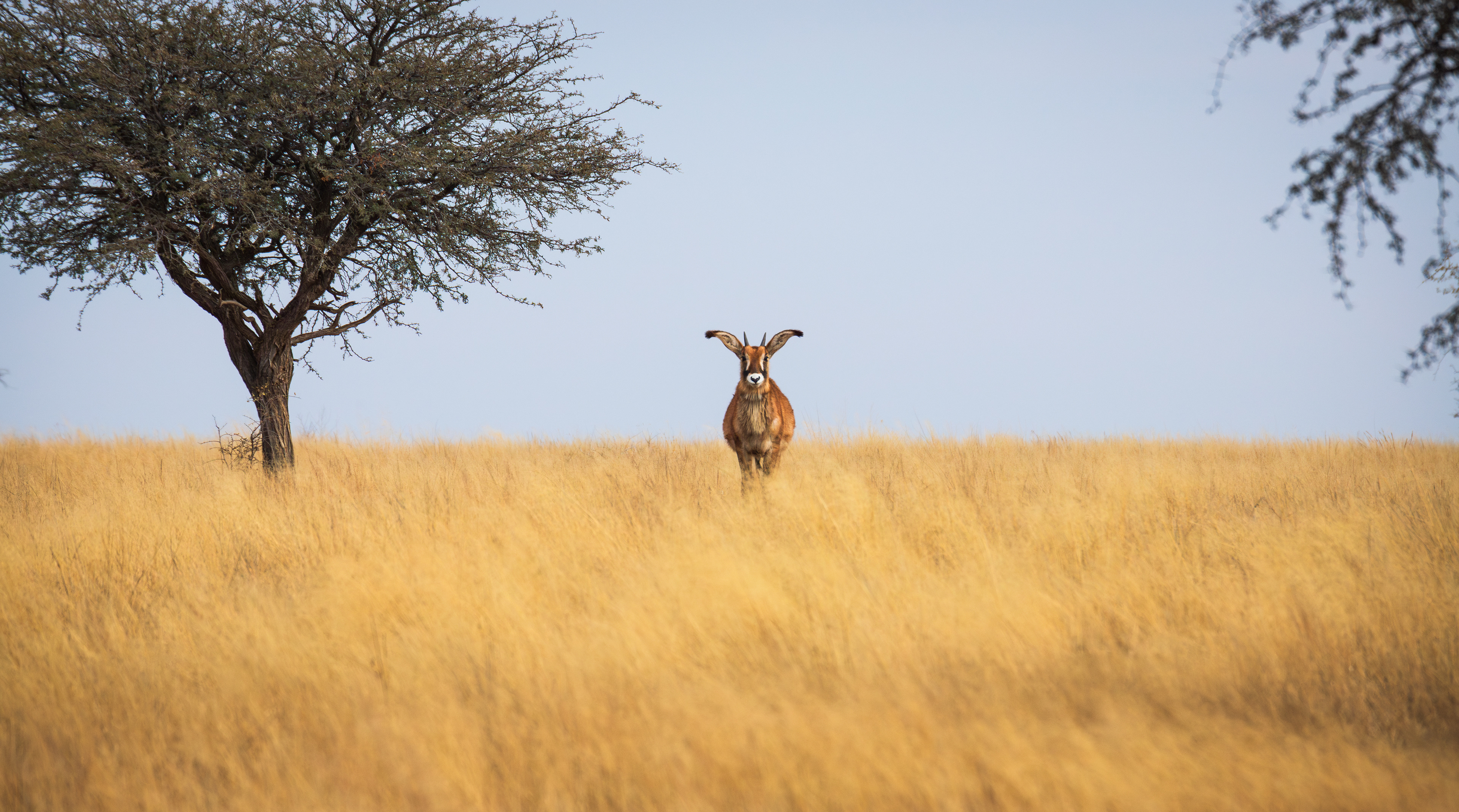
Roan antelope (Hippotragus equinus), Mokala NP.
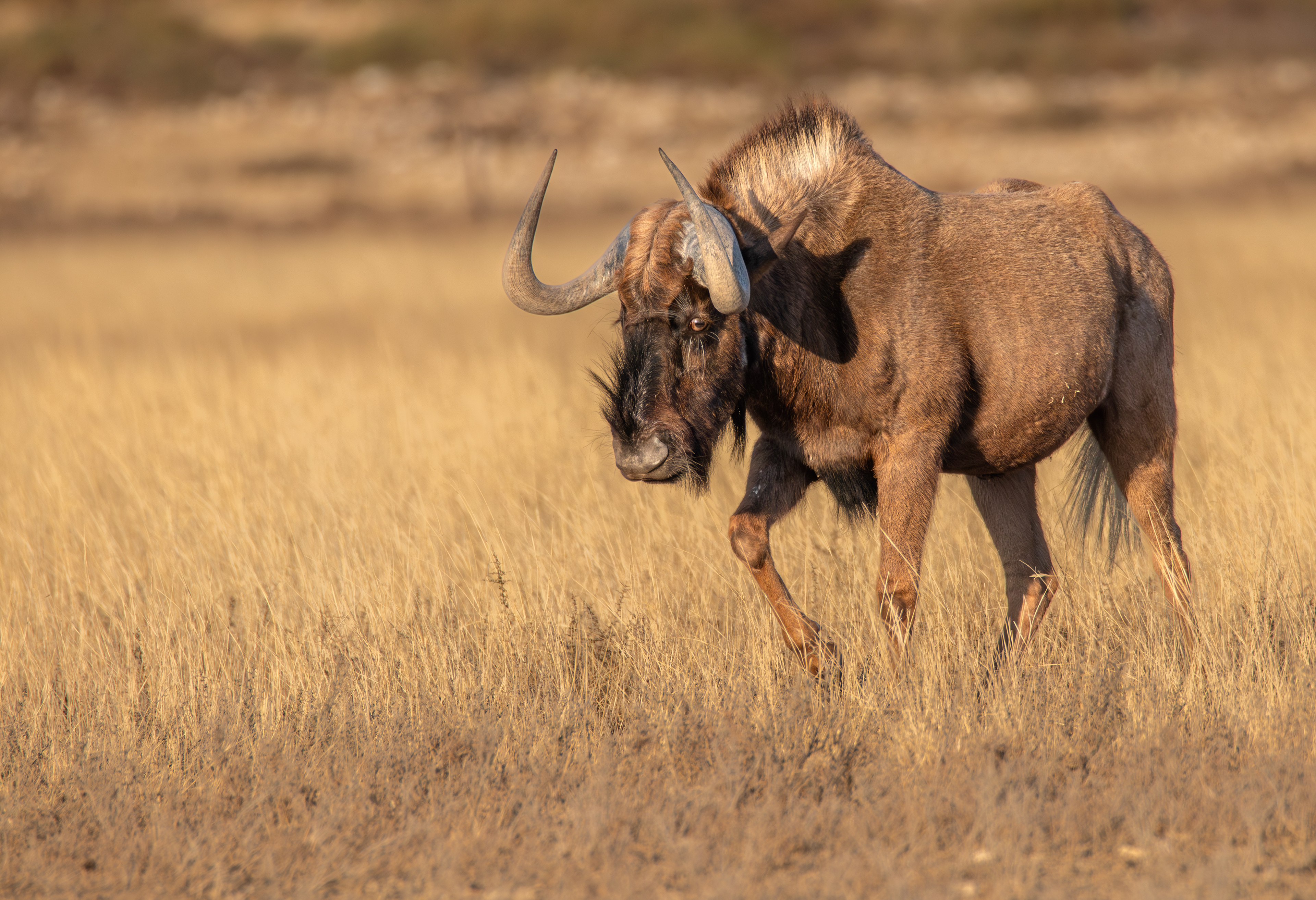
Black wildebeest (Connochaetes gnou), Benfontein NR.
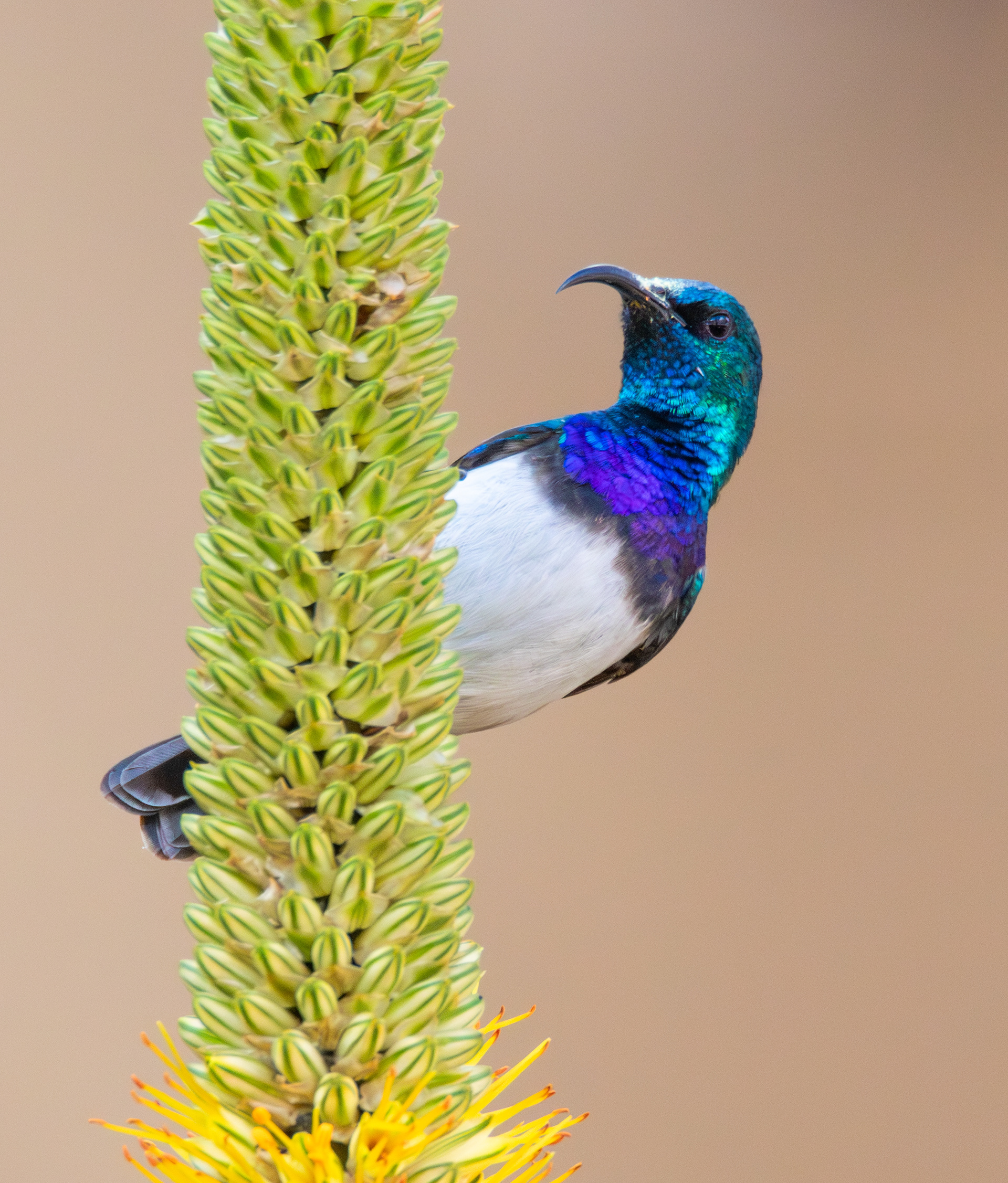
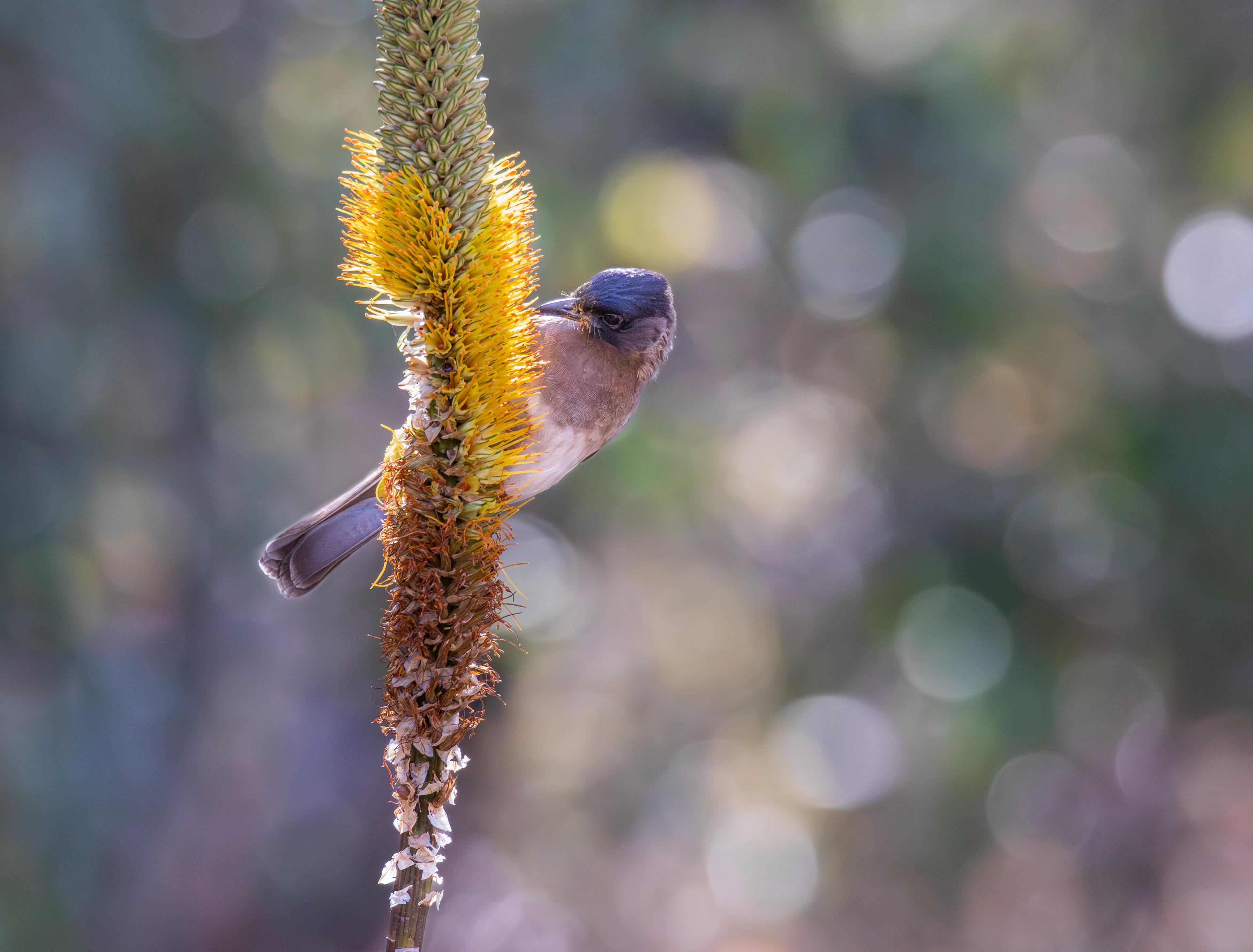
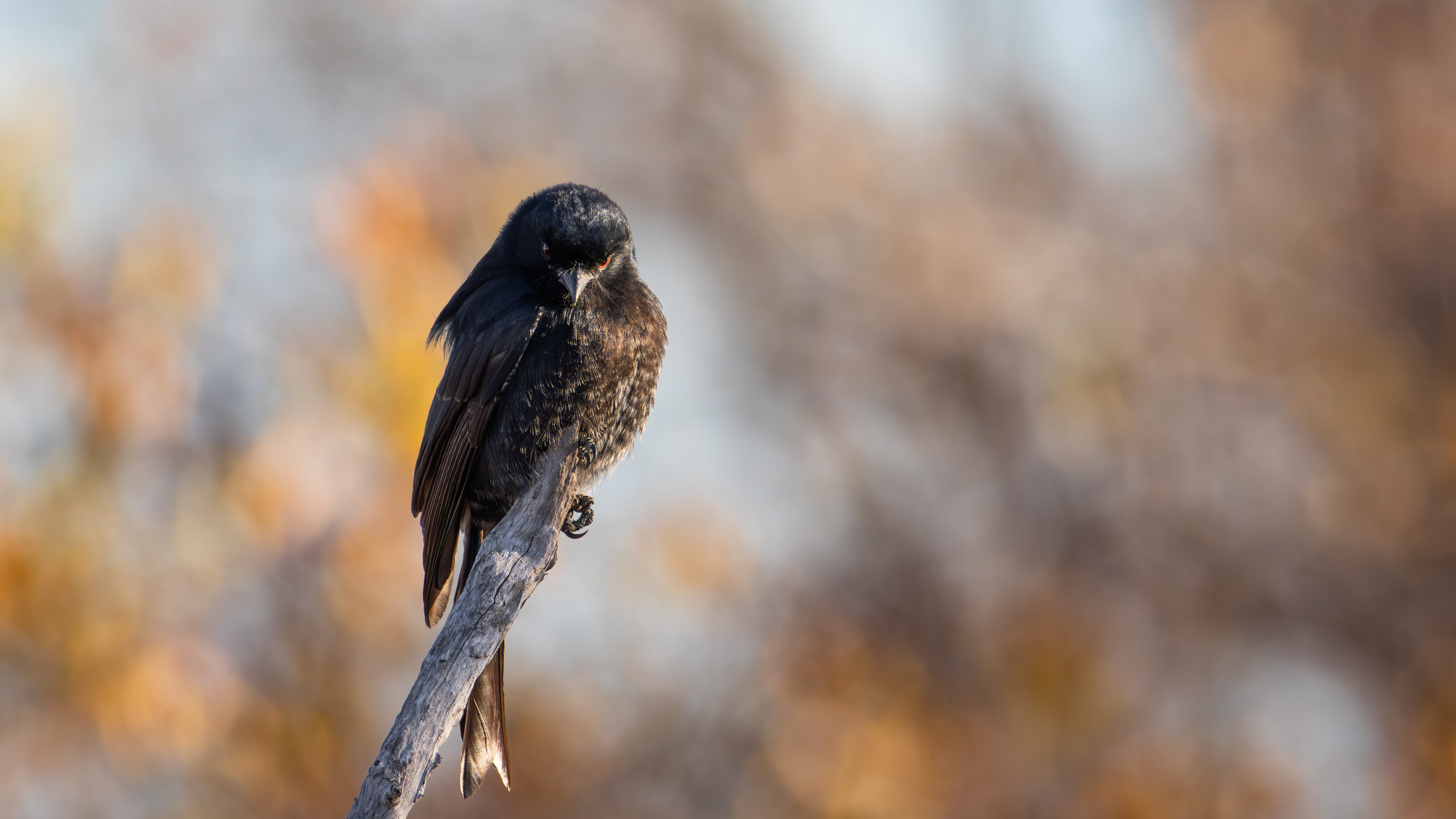
Drongos (Dicrurus adsimilis) have to be one of the smartest animals you can find in the wild. Somehow they learned to use each member of the savanna. I knew about their habit of learning the calls of social animals, like meerkats and babblers, and using them to fake predator danger in order to obtain food. But I didn’t know that this is just one of their tricks. You can always see them next to big herbivores, hunting for insects that get exposed as they walk through the tall grass. They are also the first to use bushfires as another easy way to find exposed insects. Also, they are also quite photogenic. That is always a good bird trait.
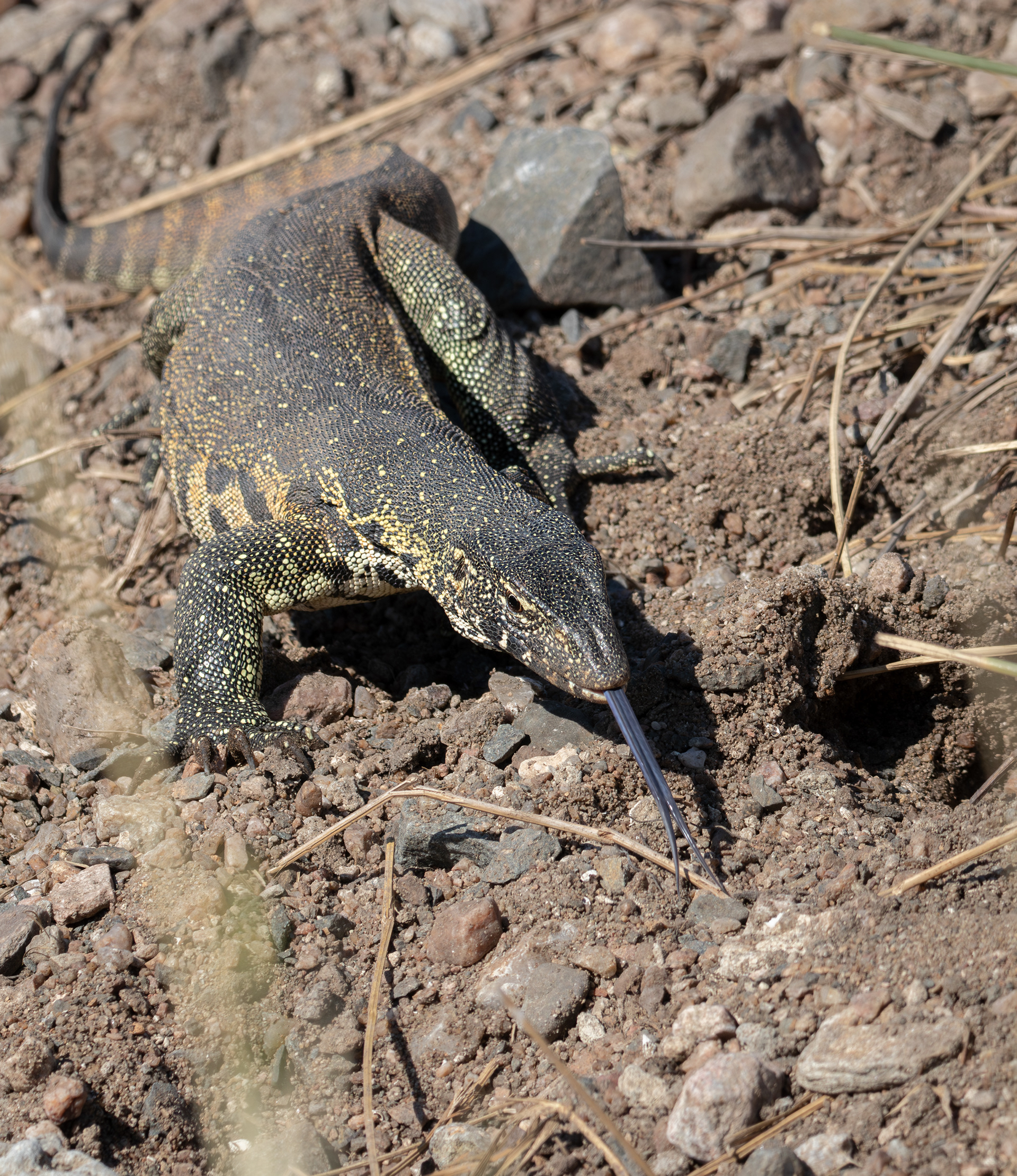
Nile monitor (Varanus niloticus), Kruger NP.
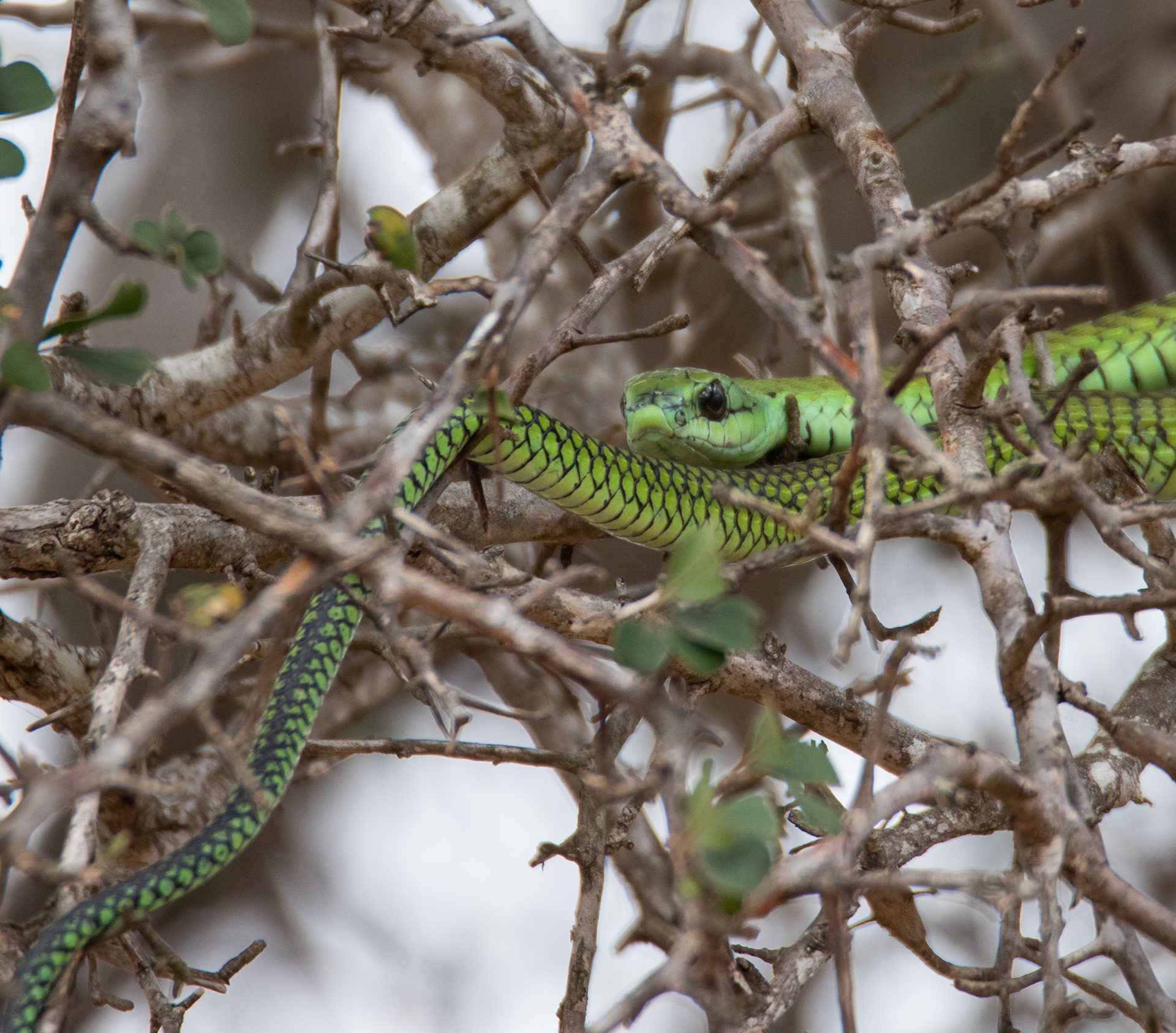
Boomslang (Dispholidus typus), Kruger NP.
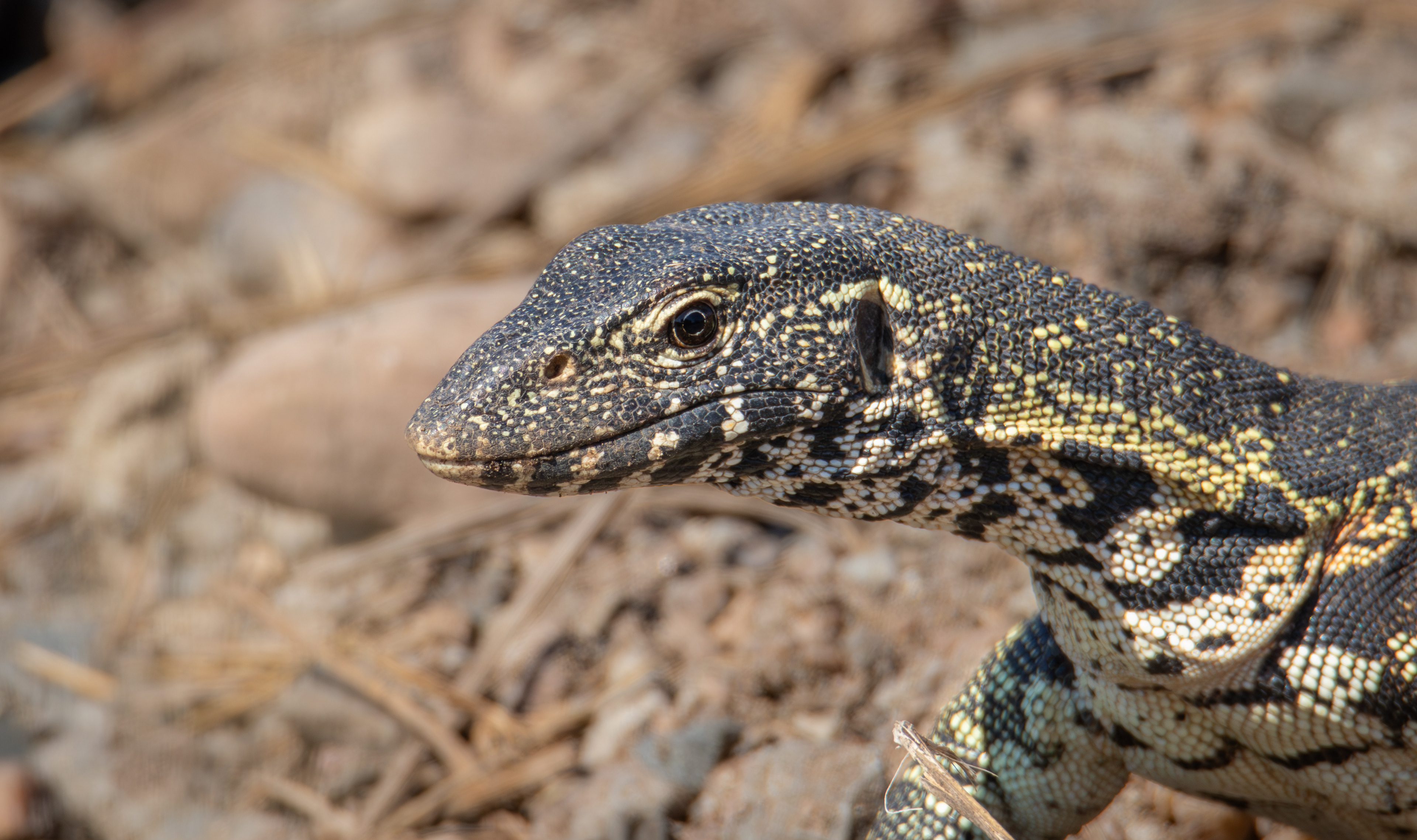
Nile monitor (Varanus niloticus), Kruger NP.
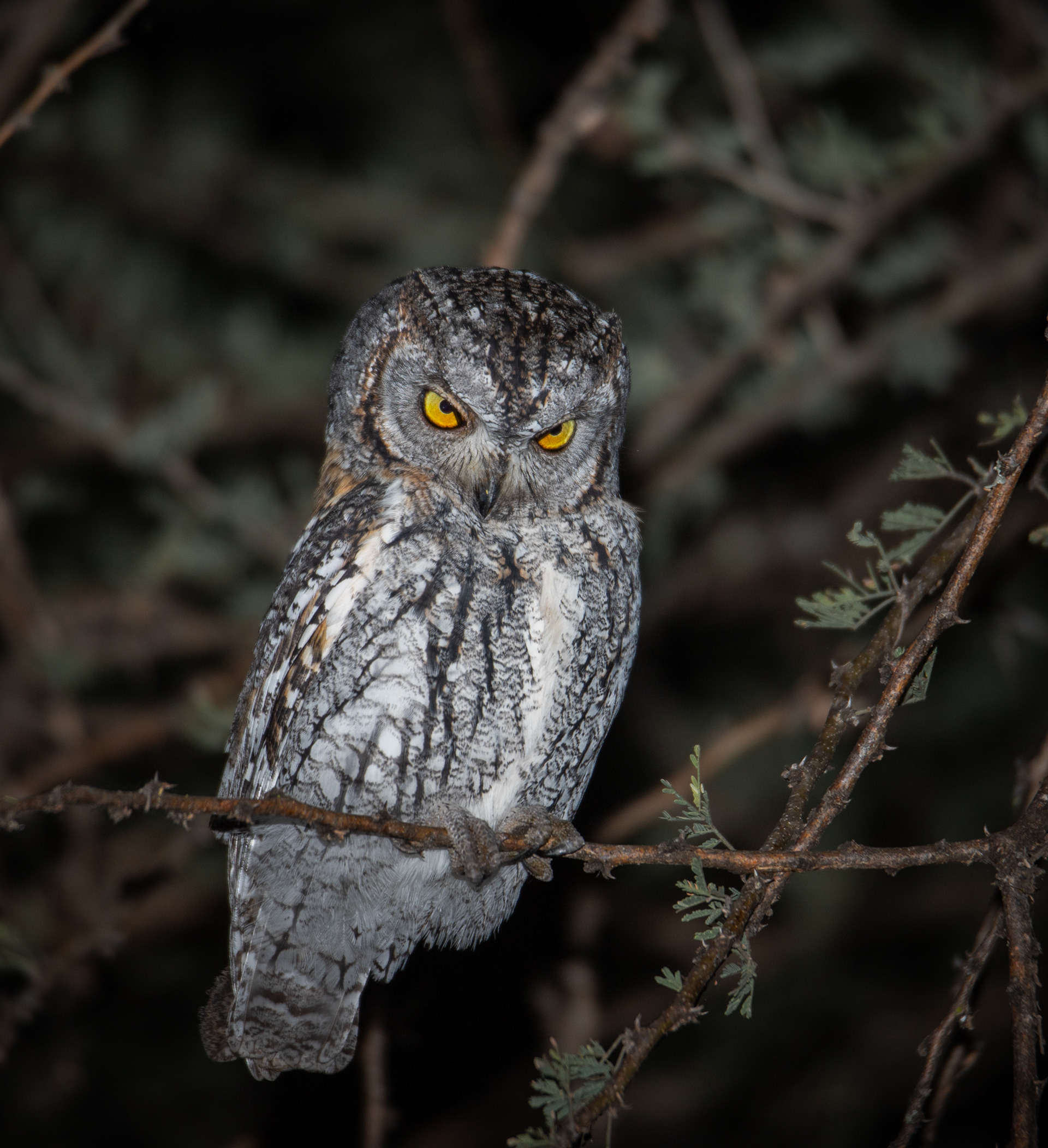
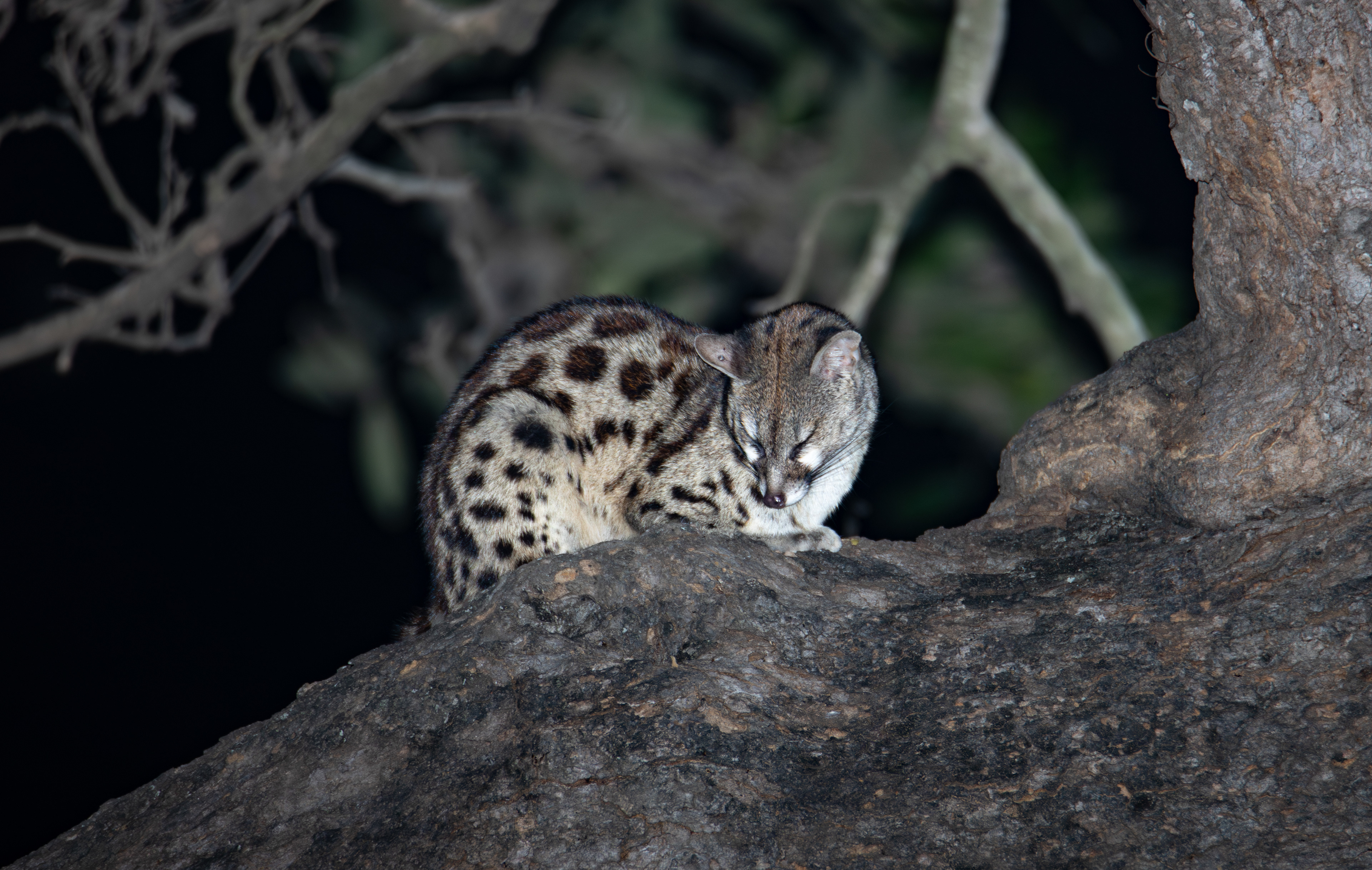
Rusty-spotted genet (Genetta maculata), Kruger NP.
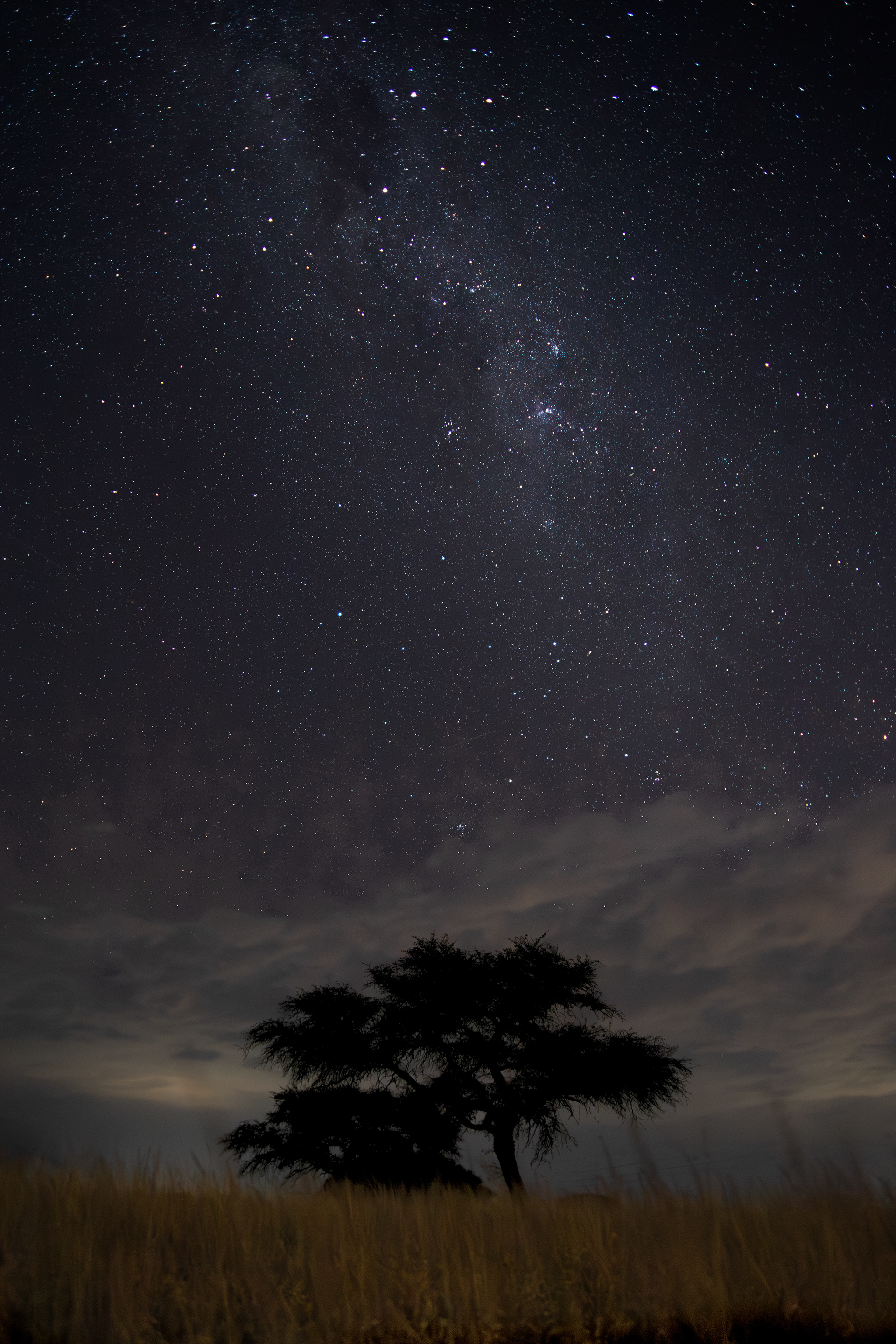
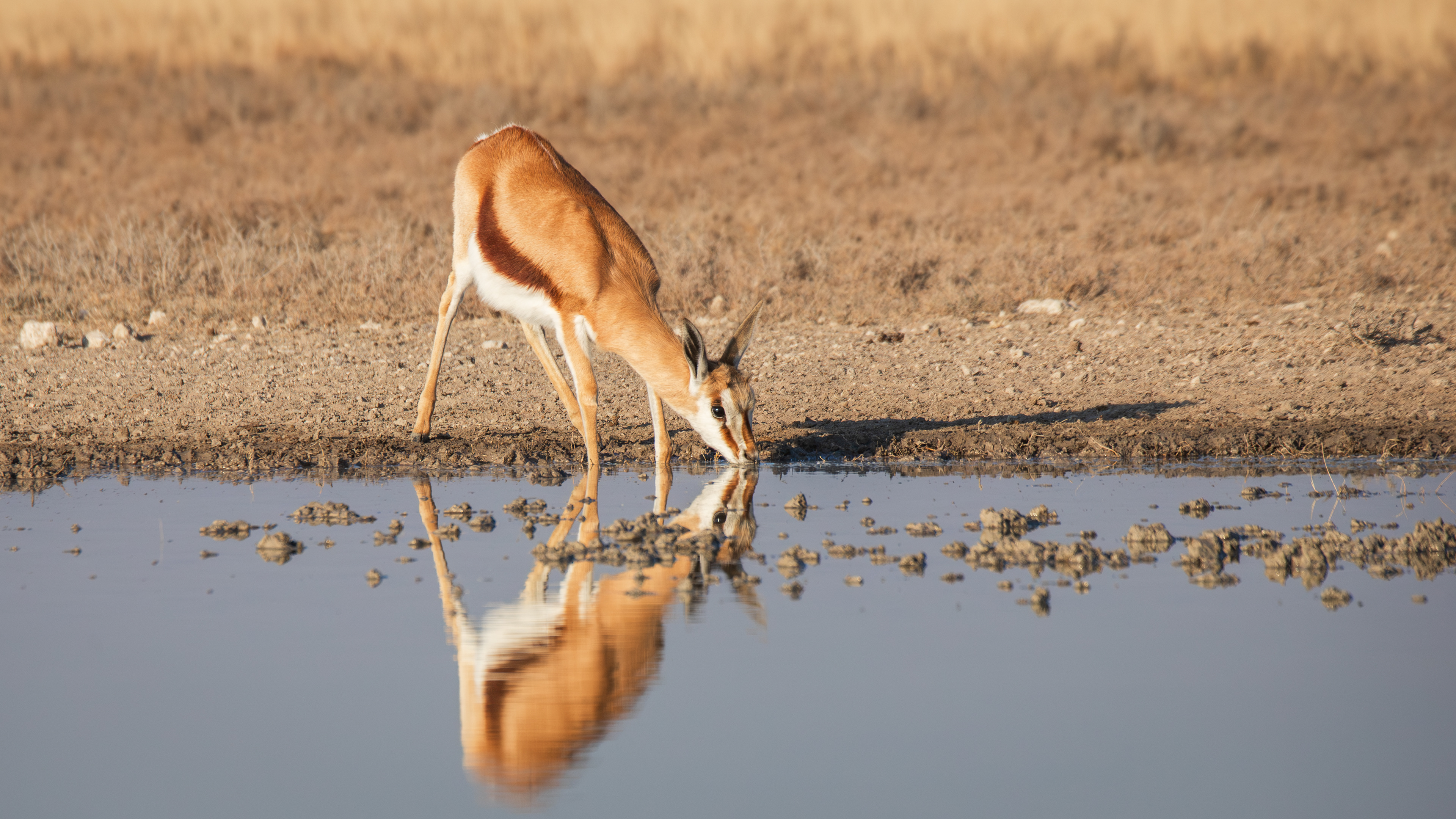
springbok (Antidorcas marsupialis), Benfontein NR
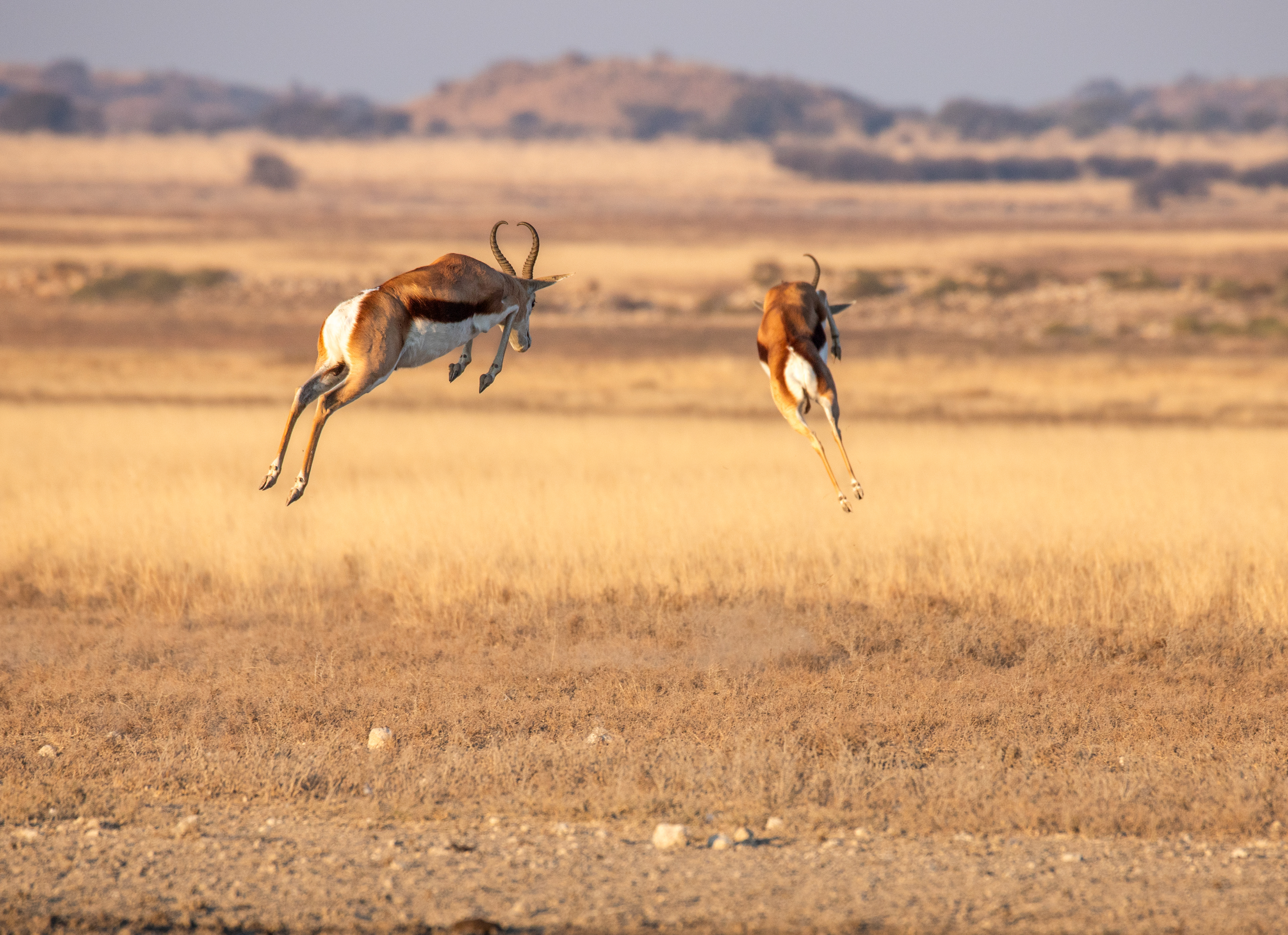
springbok (Antidorcas marsupialis), Benfontein NR
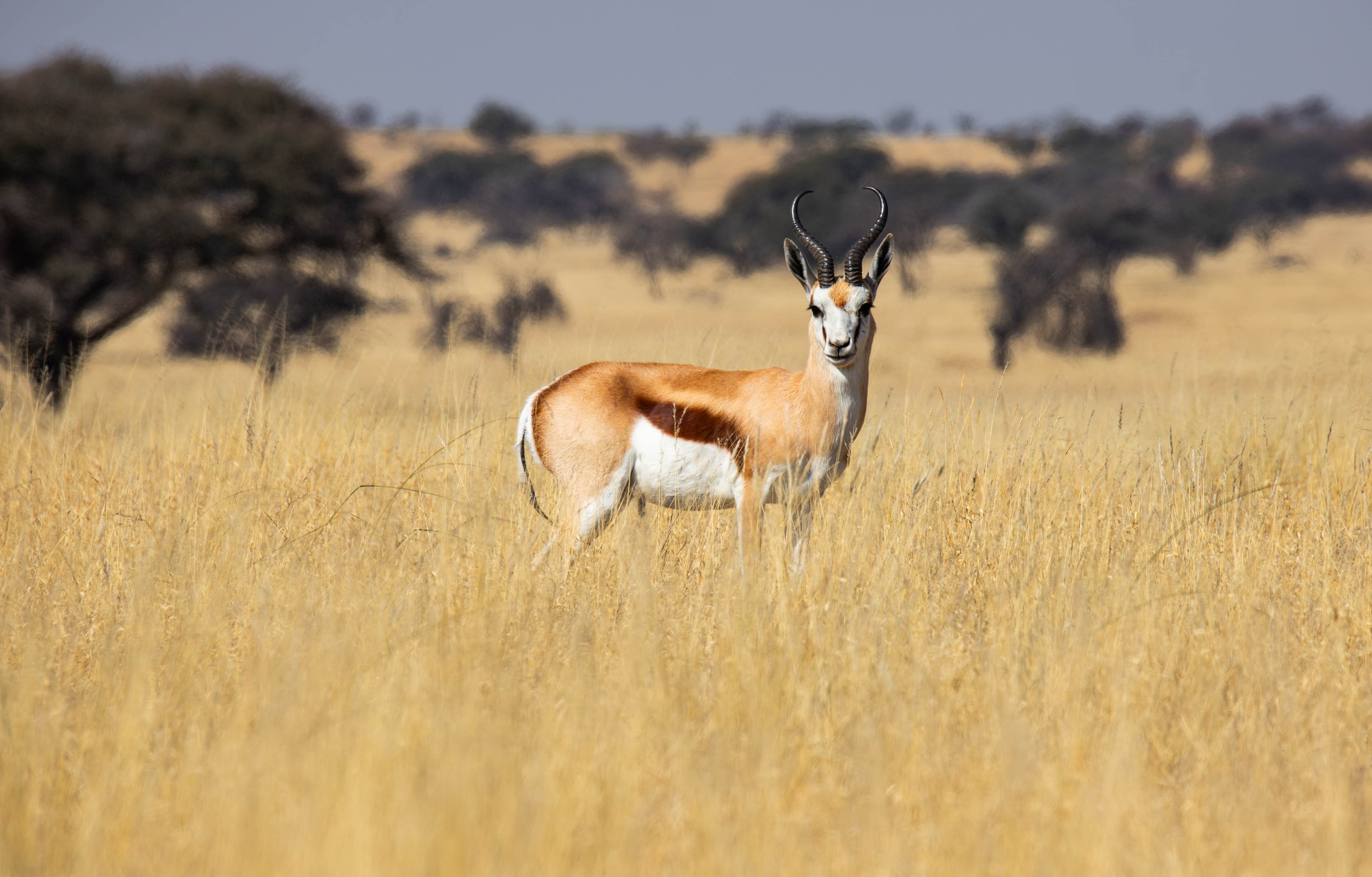
springbok (Antidorcas marsupialis), Benfontein NR
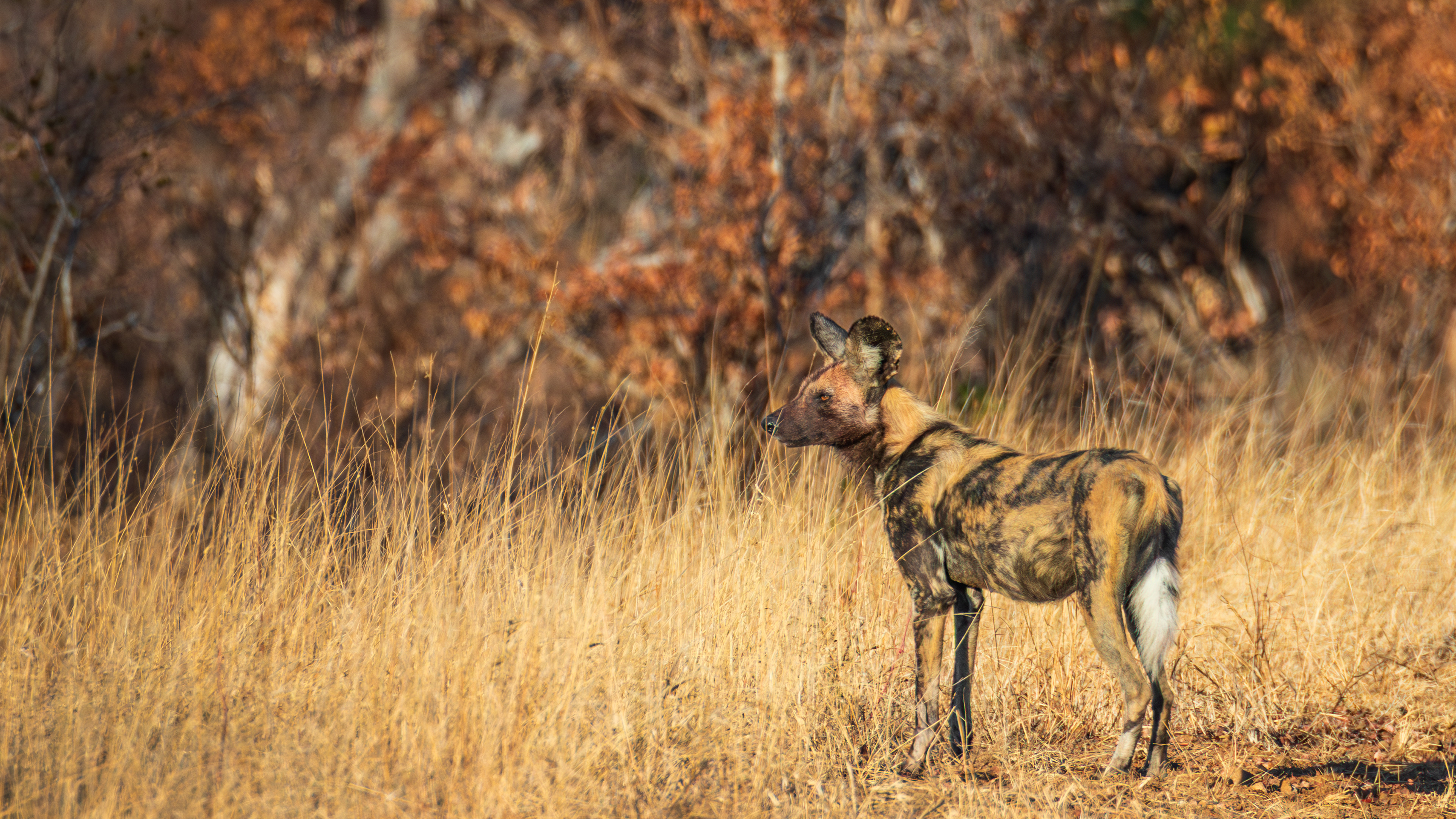
African wild dog (Lycaon pictus), Kruger NP.
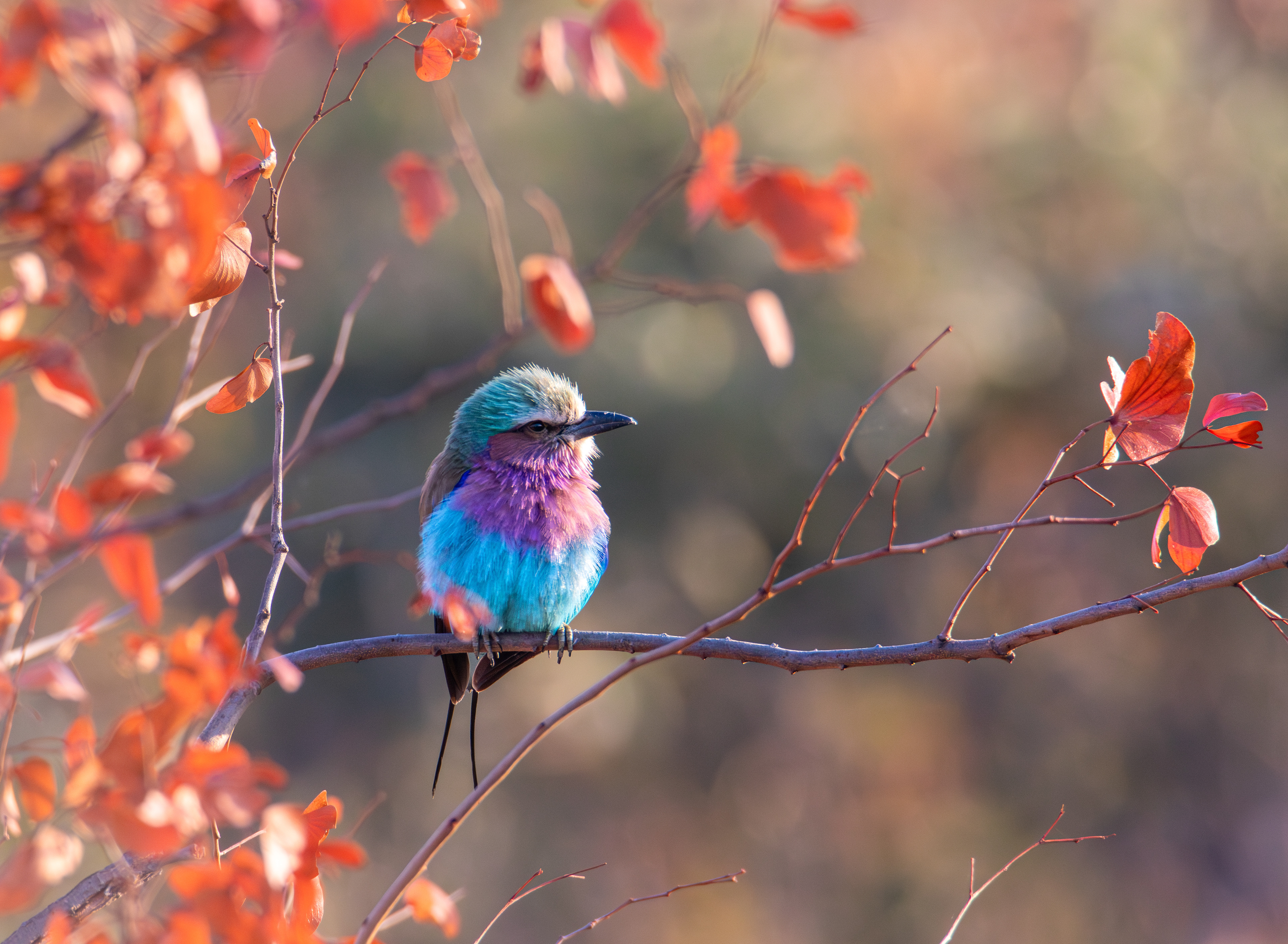
Lilac-breasted roller (Coracias caudatus), Kruger NP.
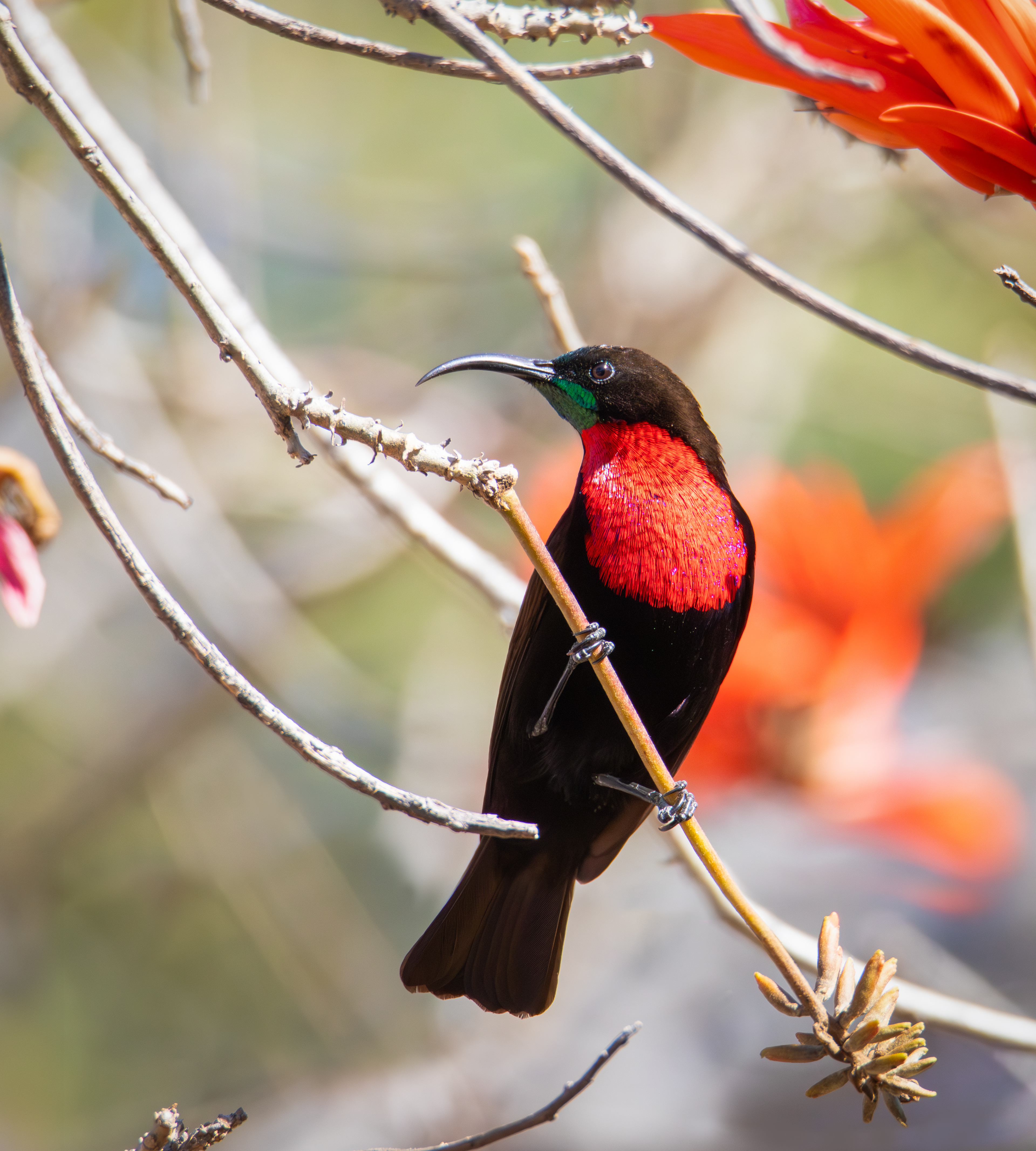
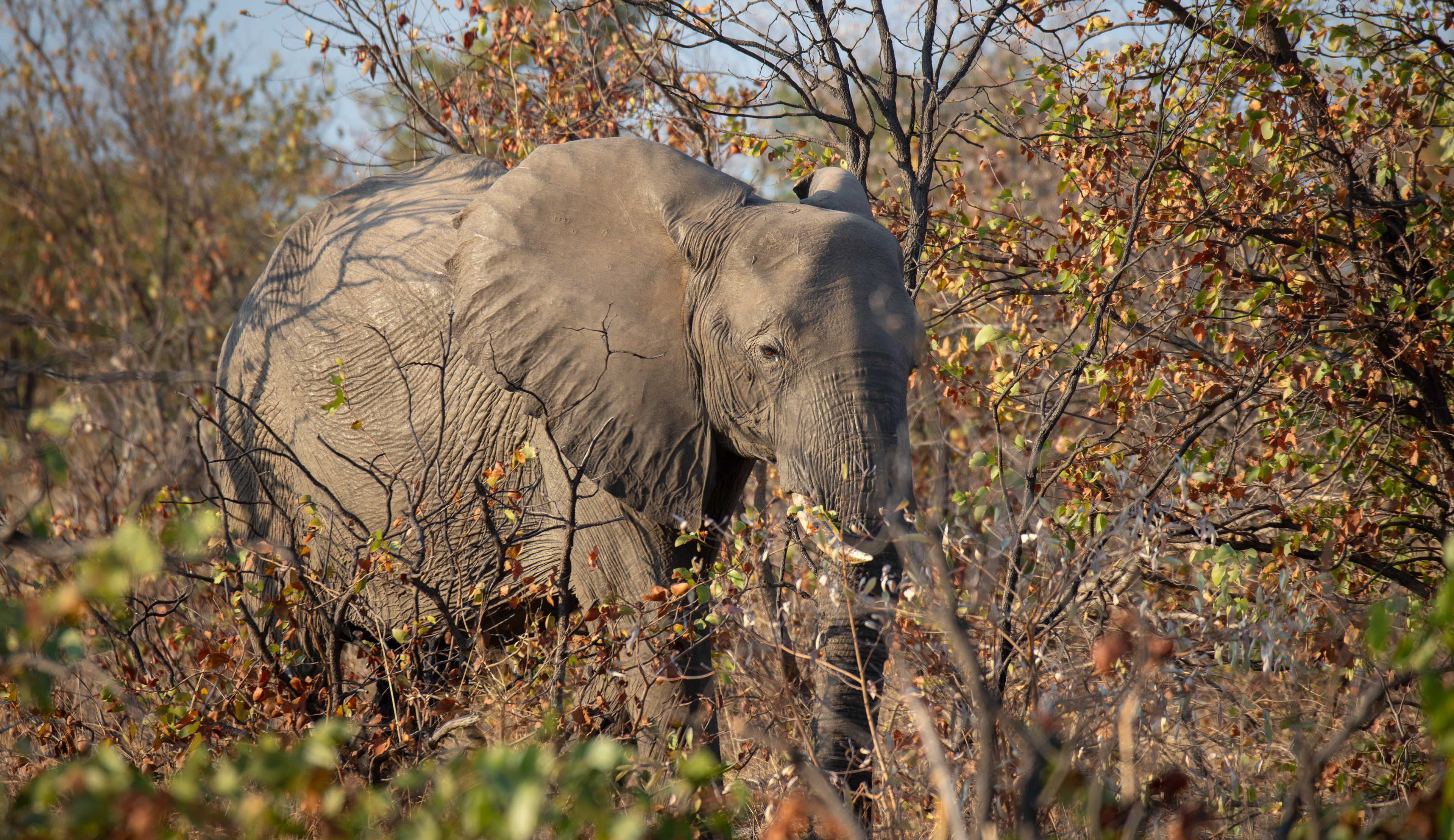
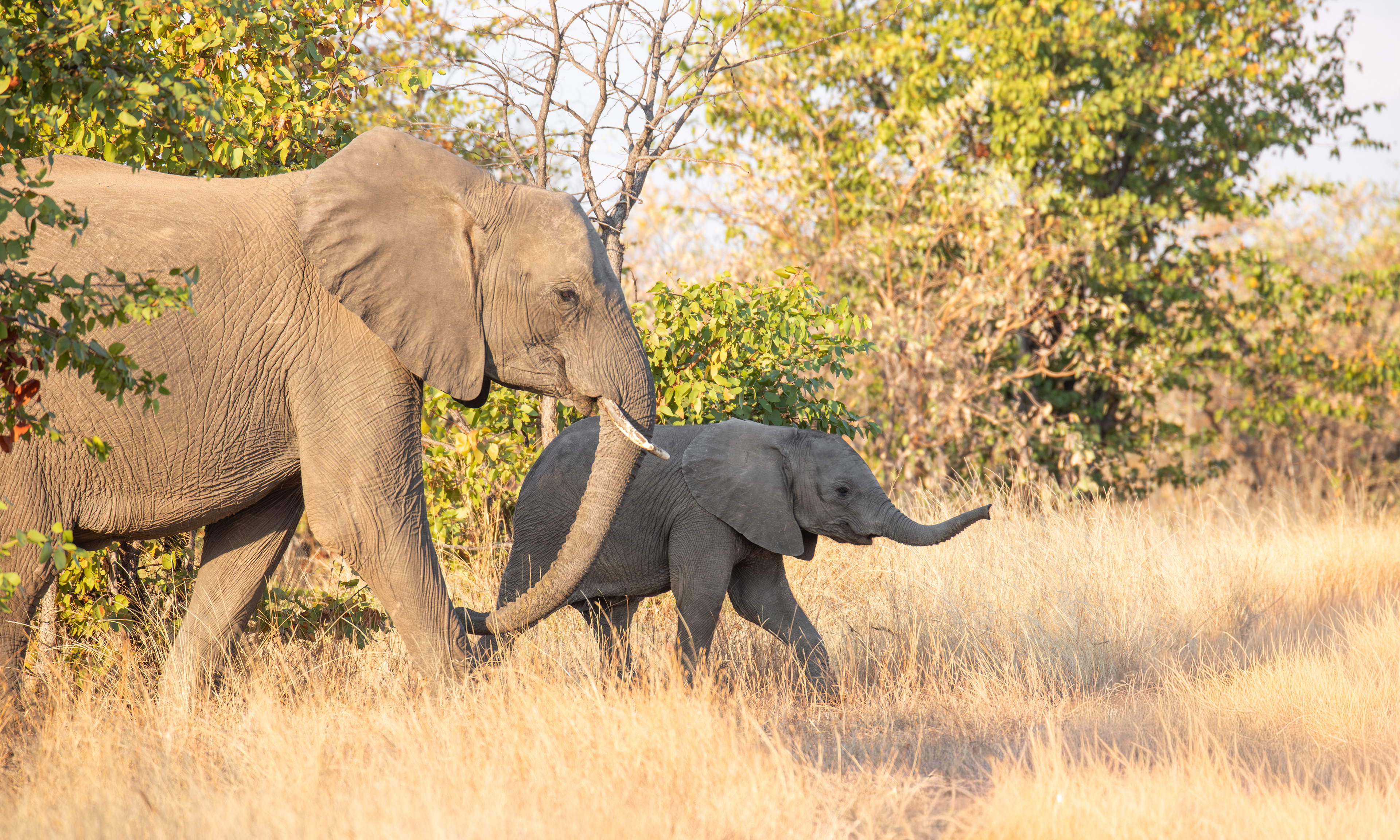
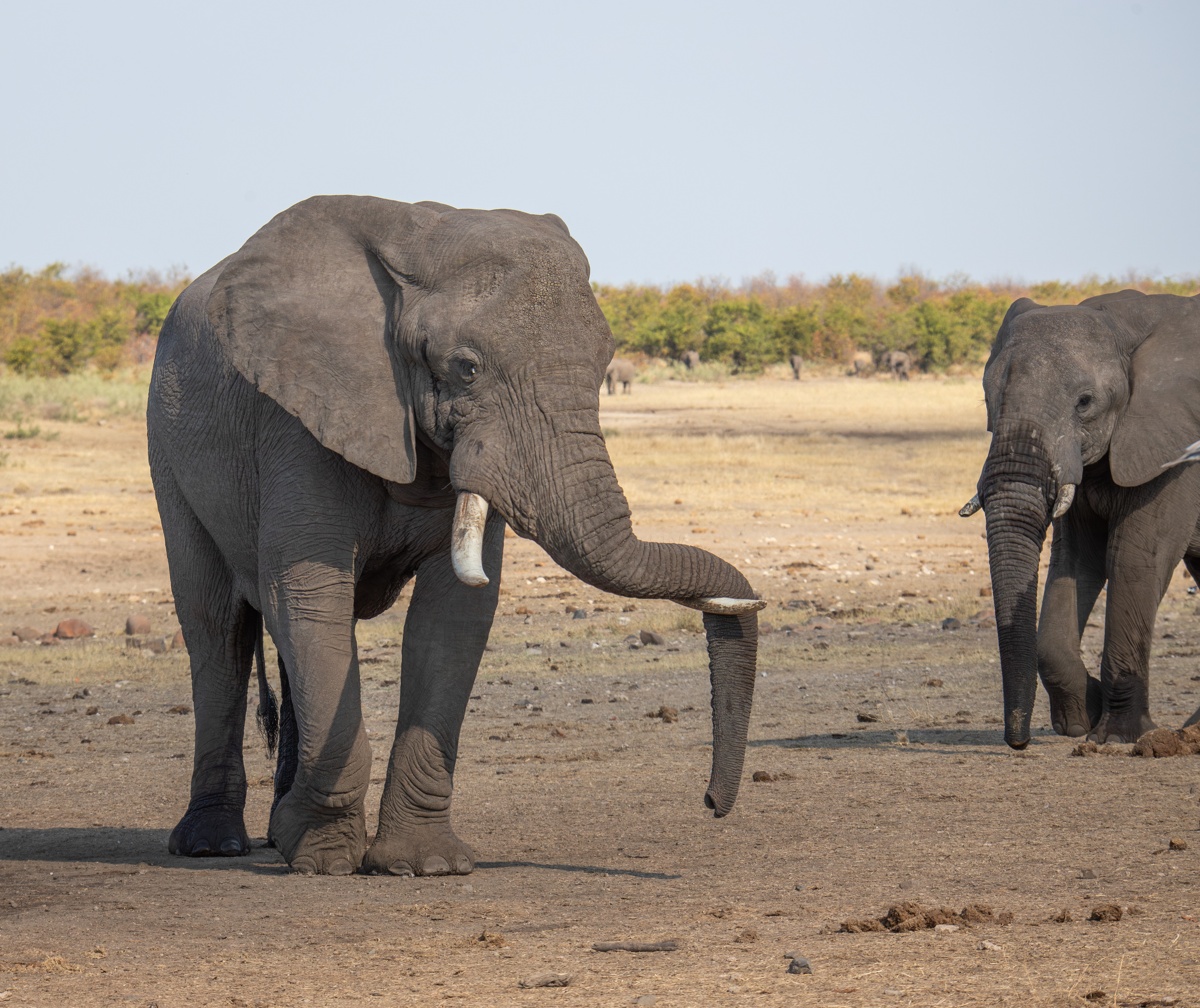
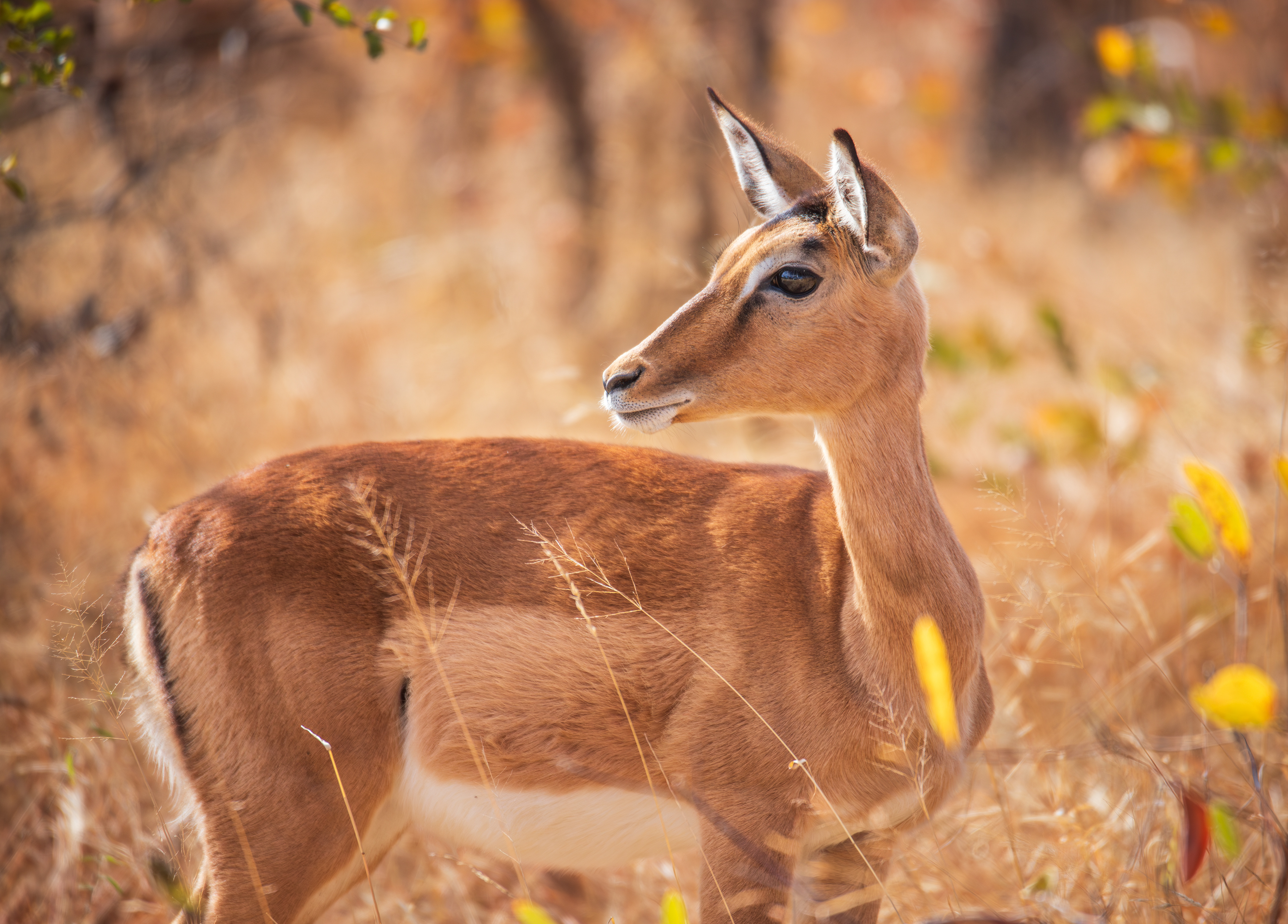
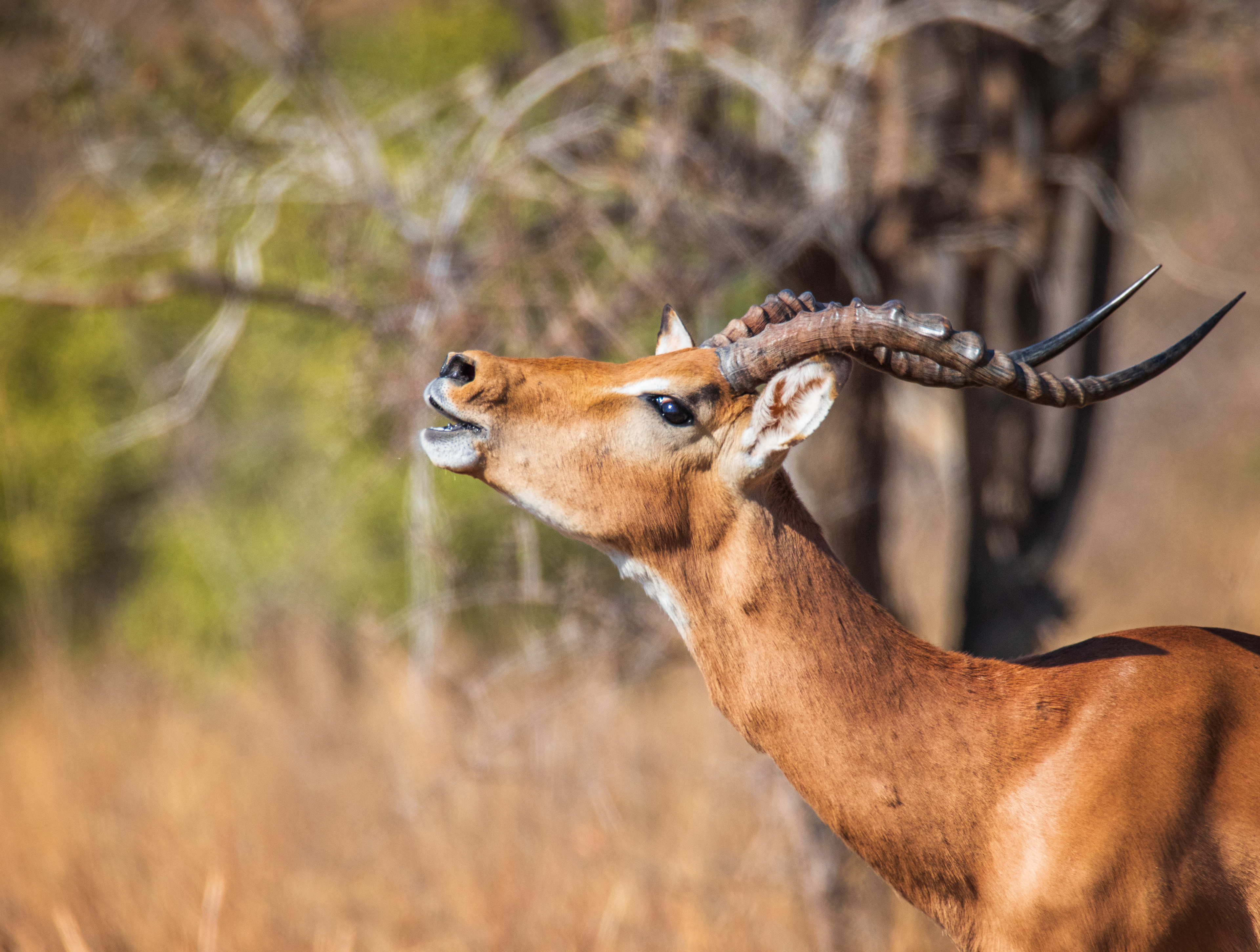
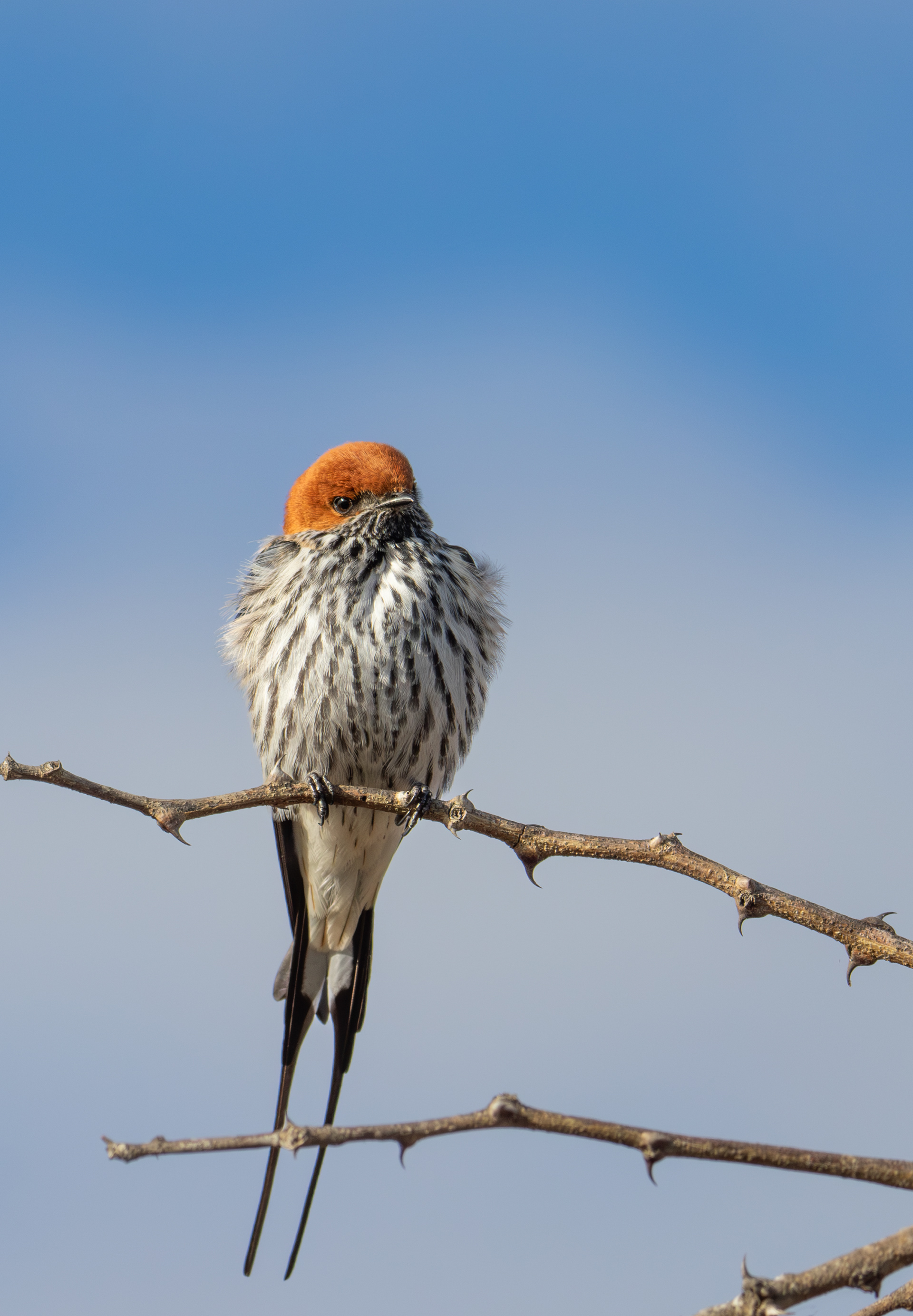
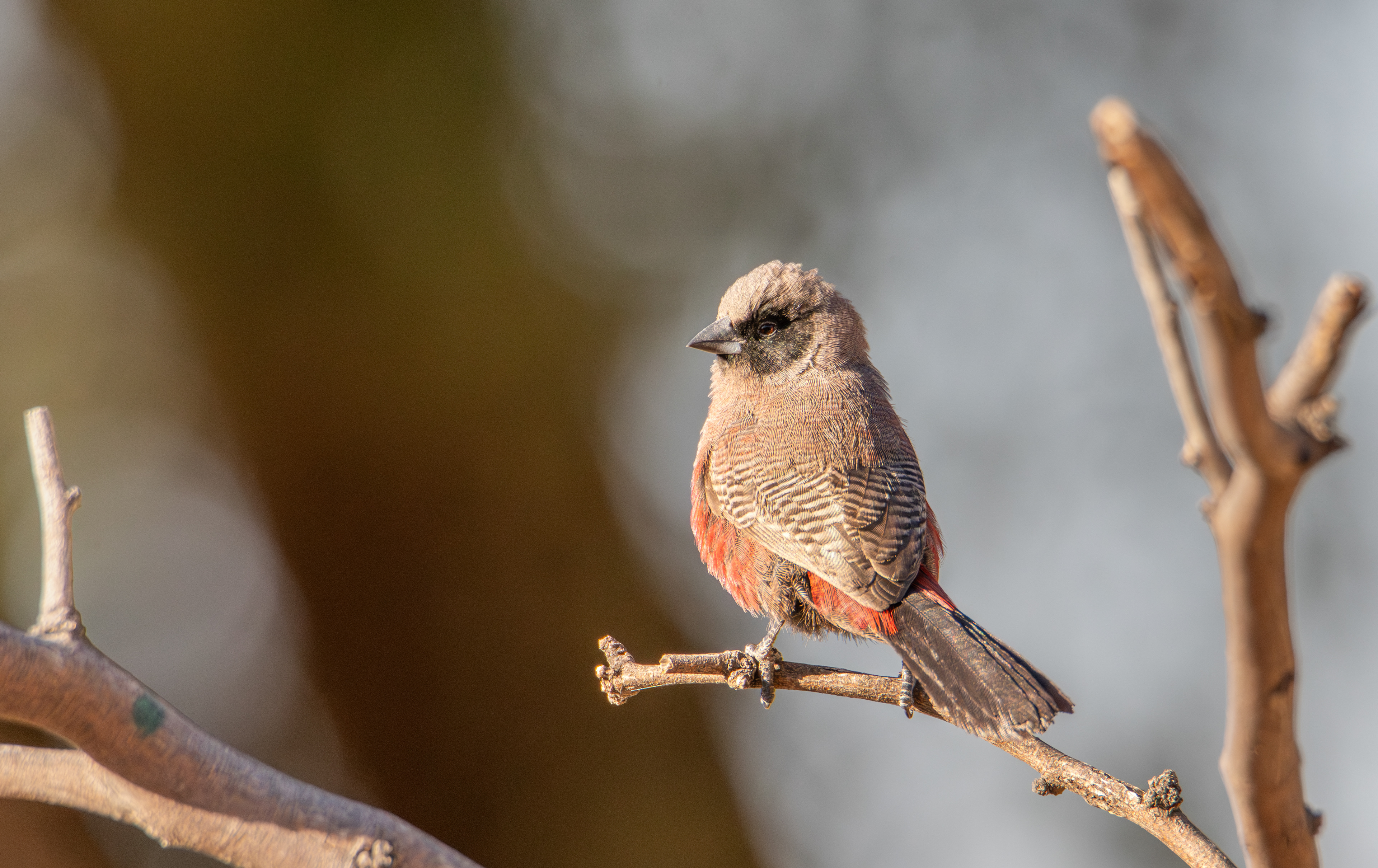
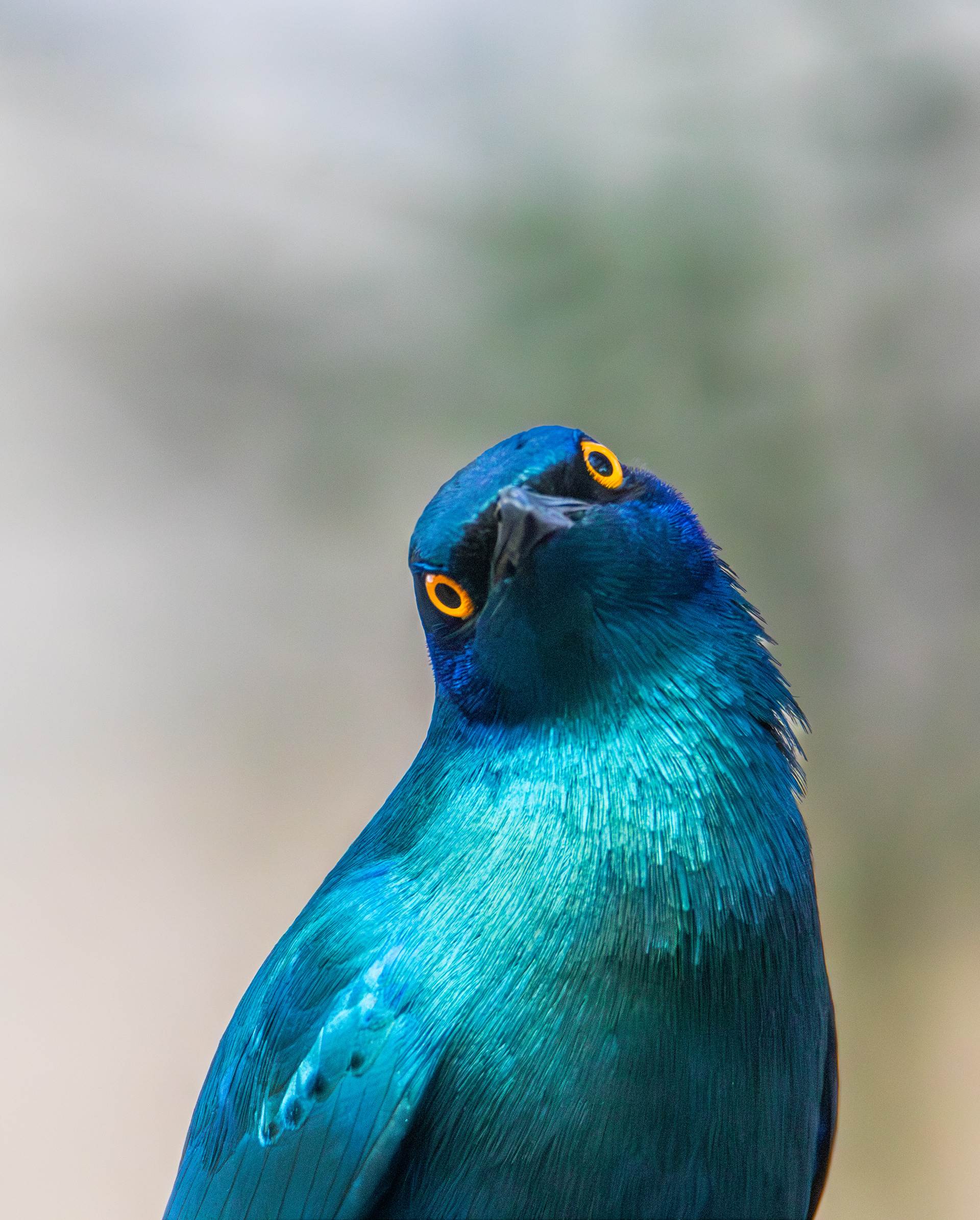
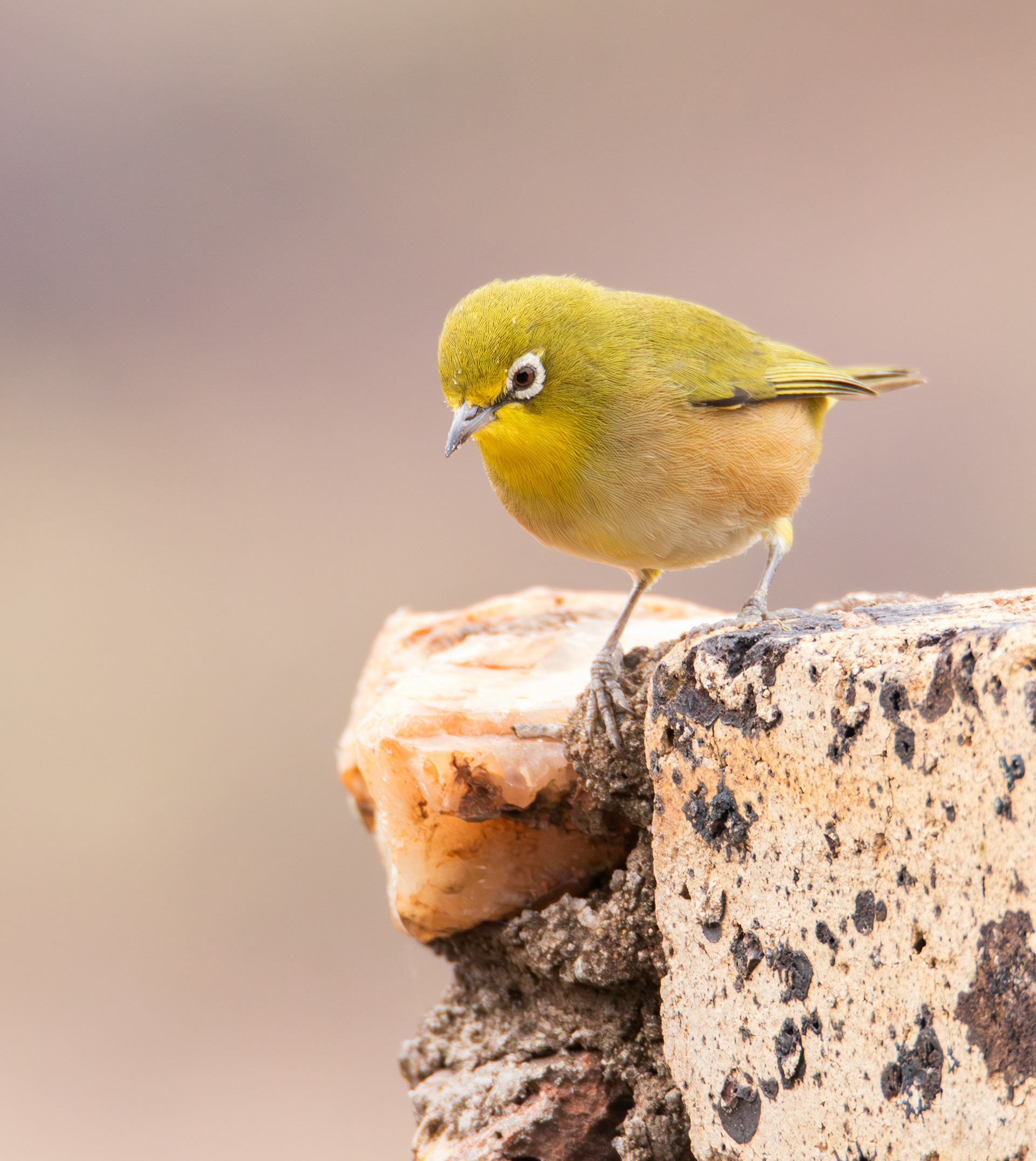
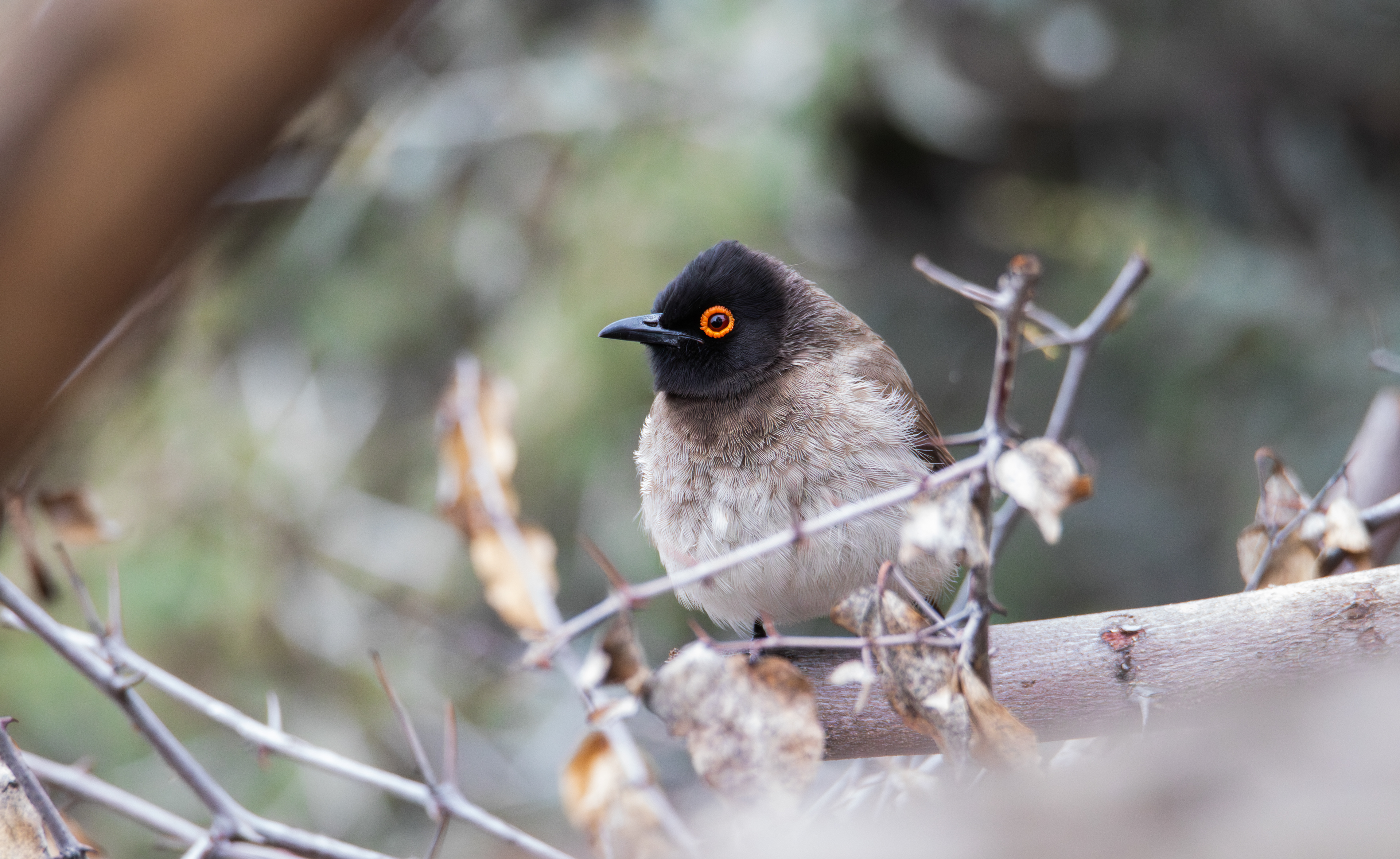
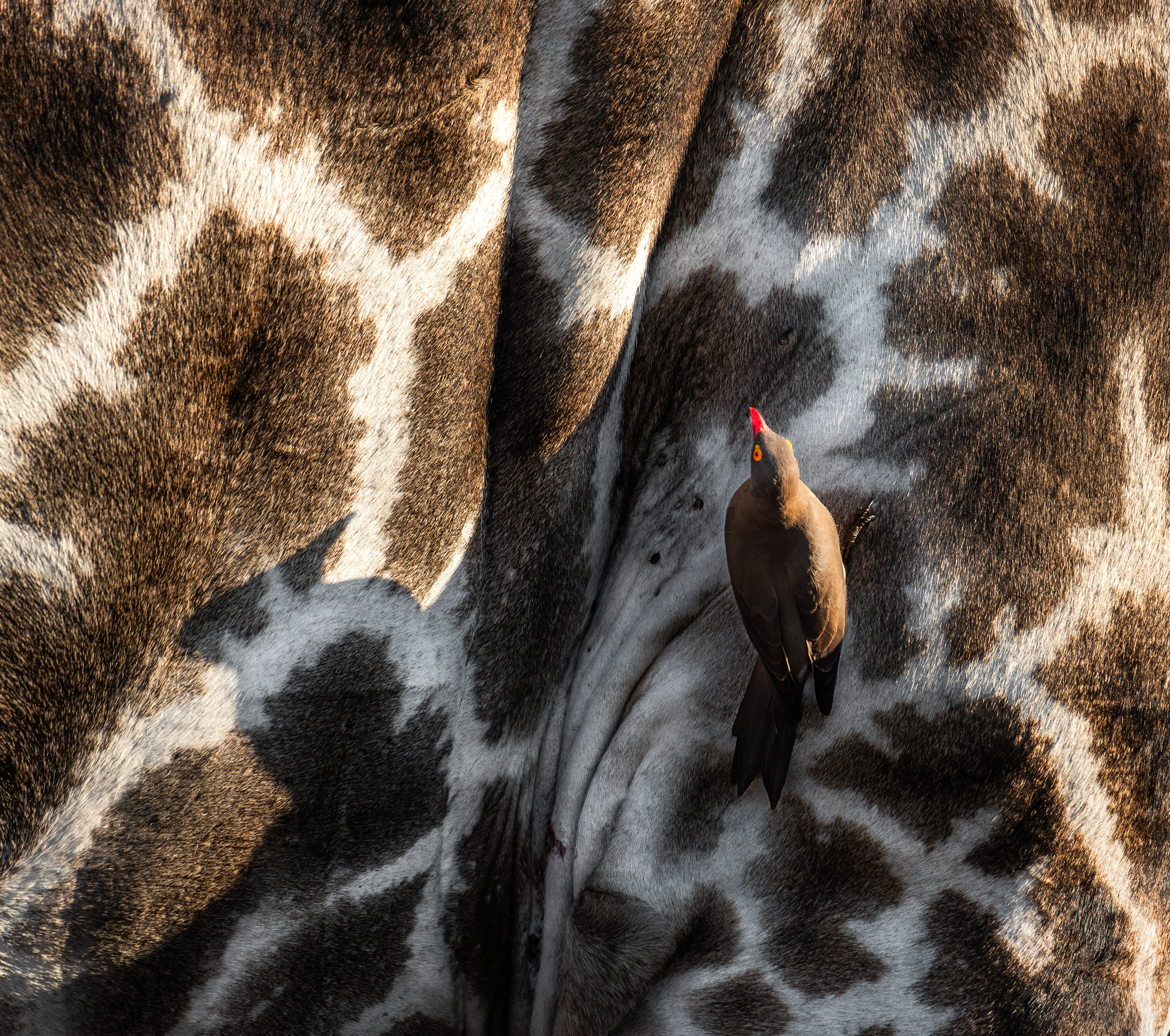
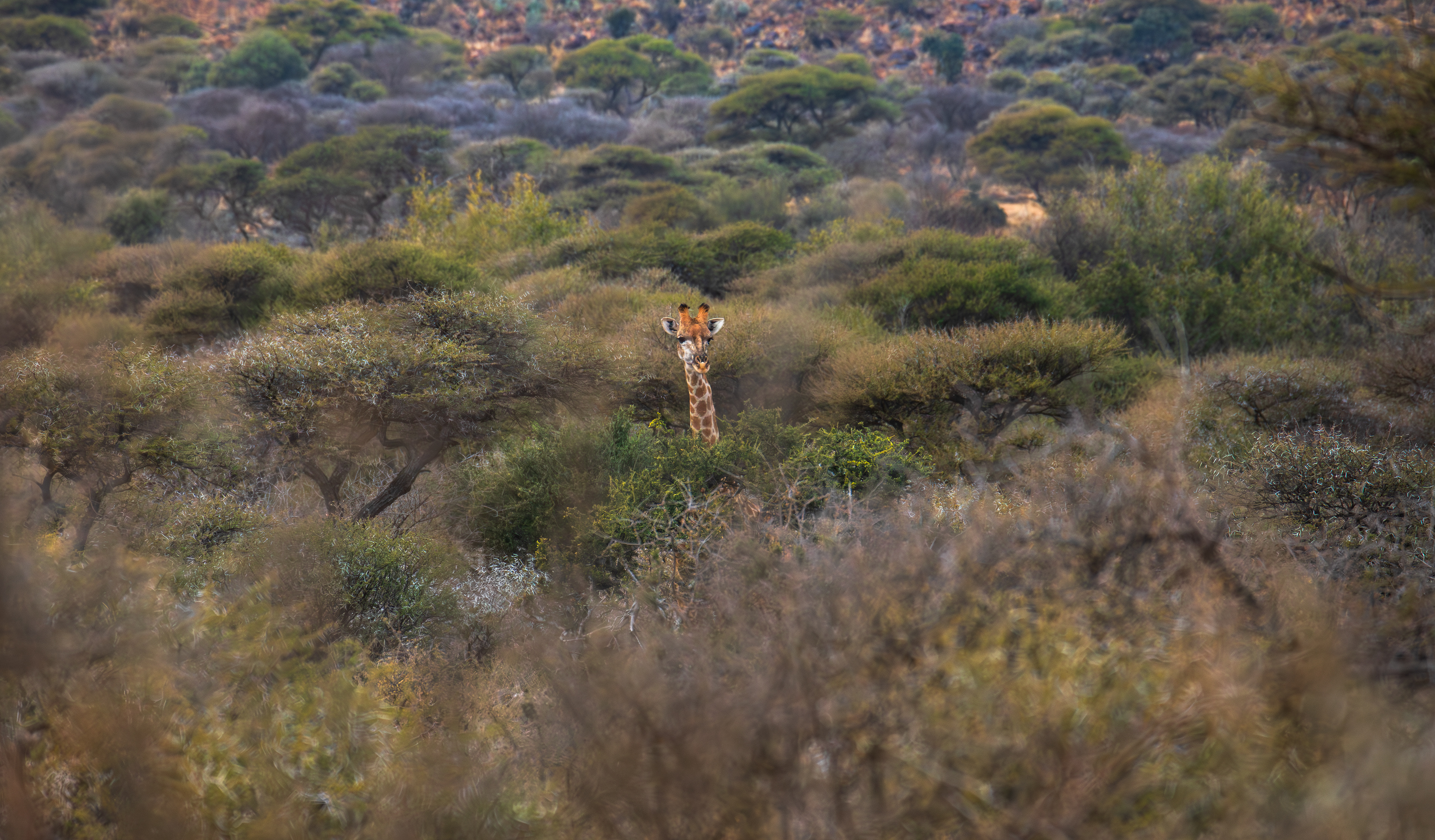
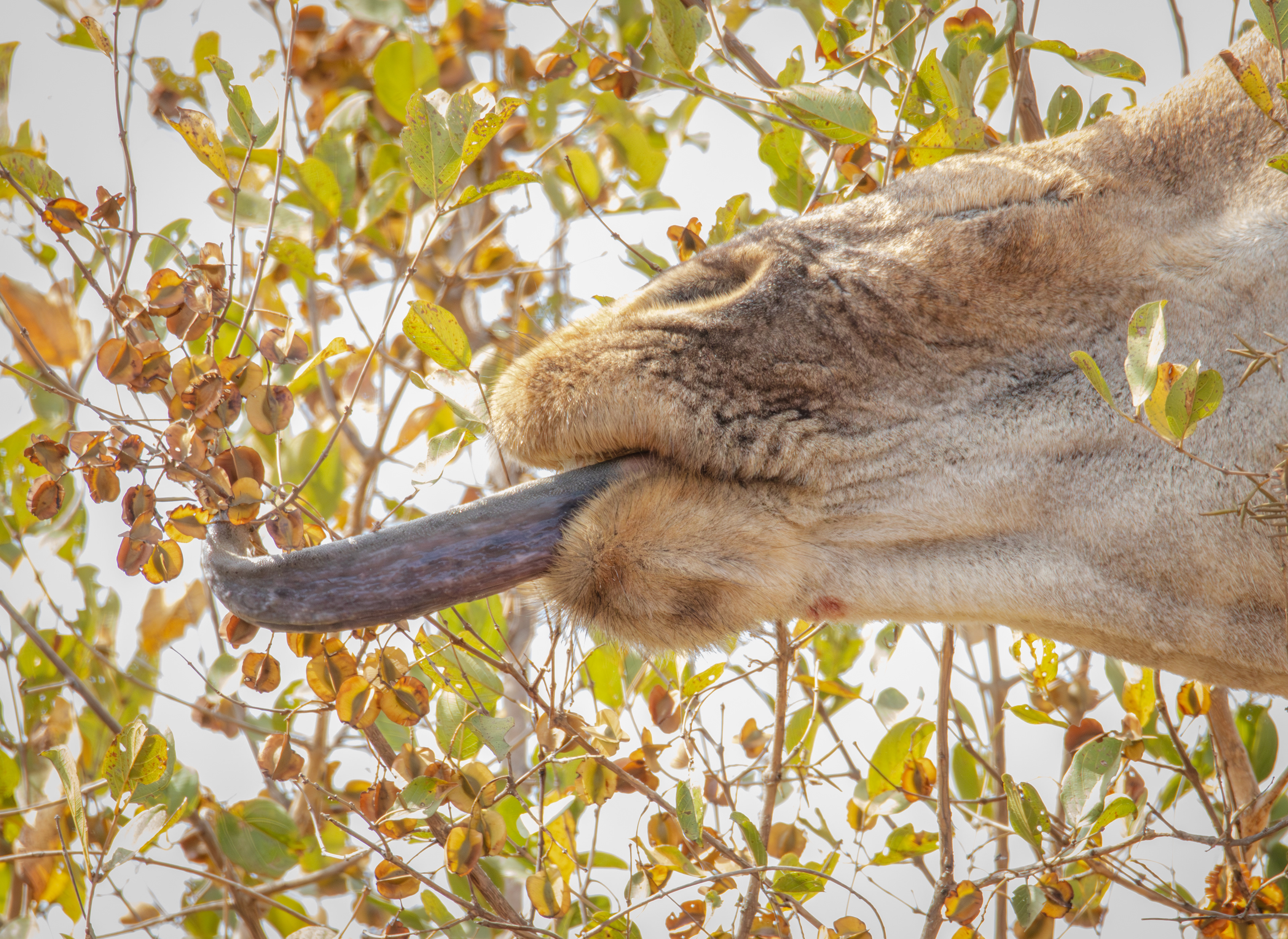
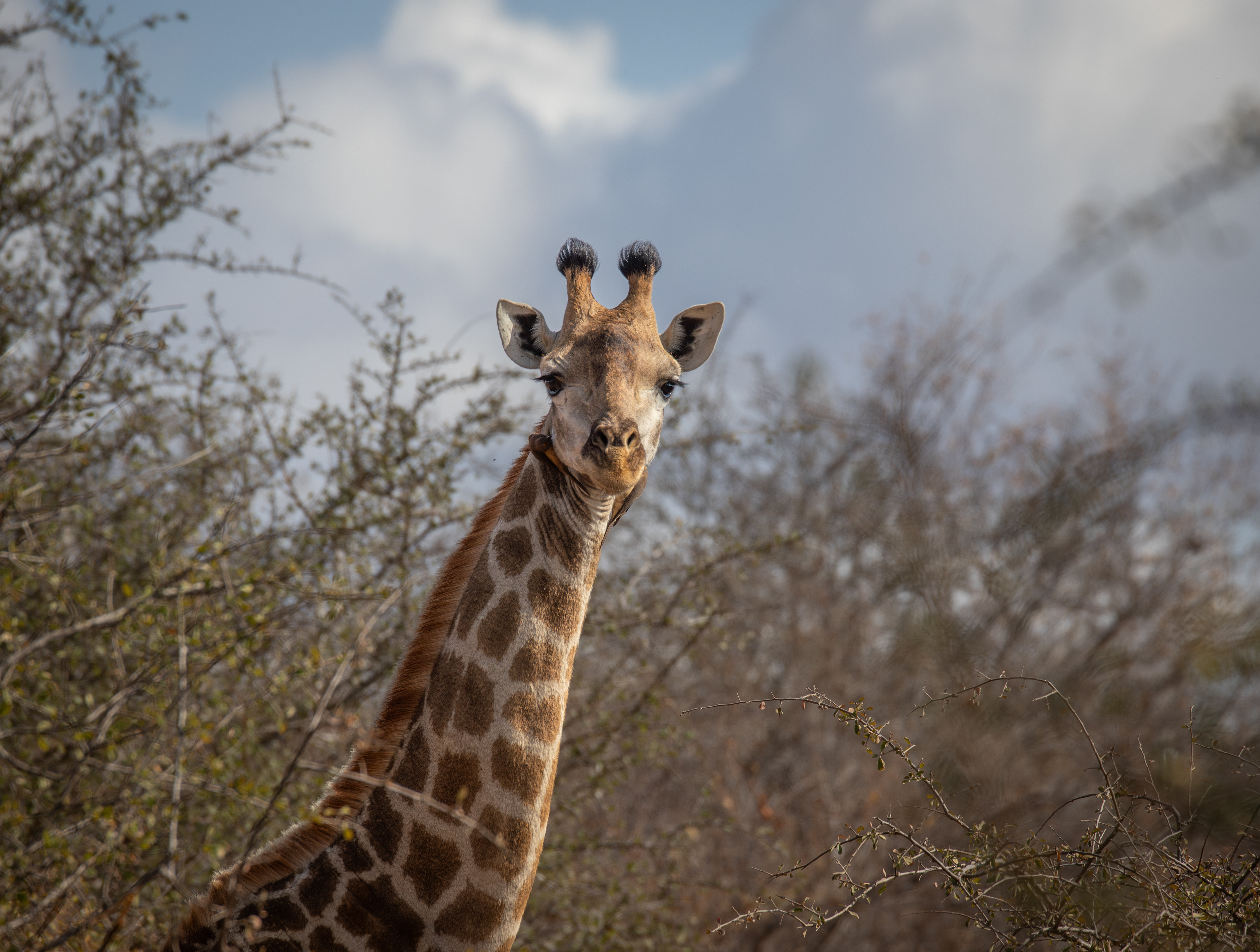
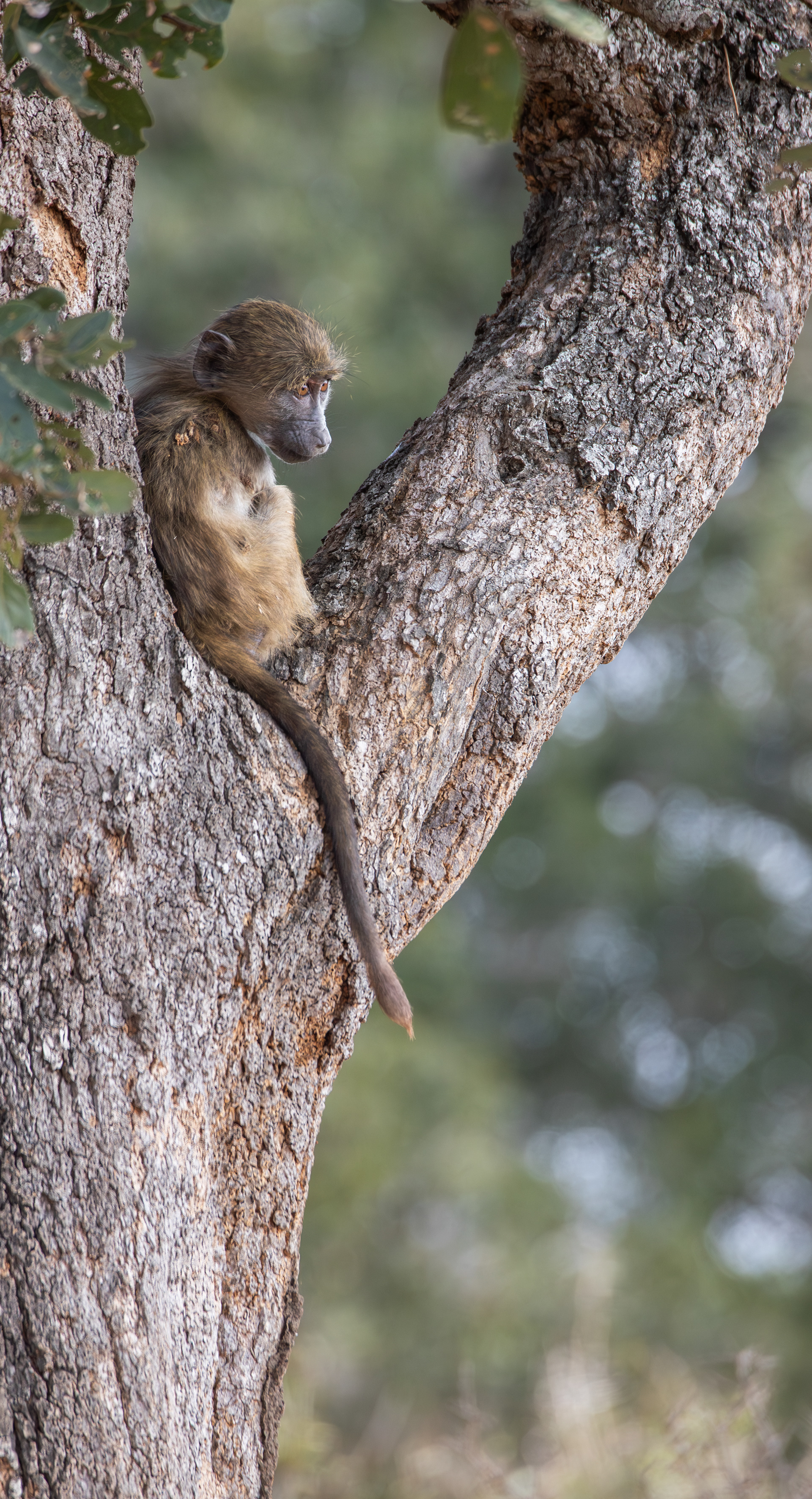
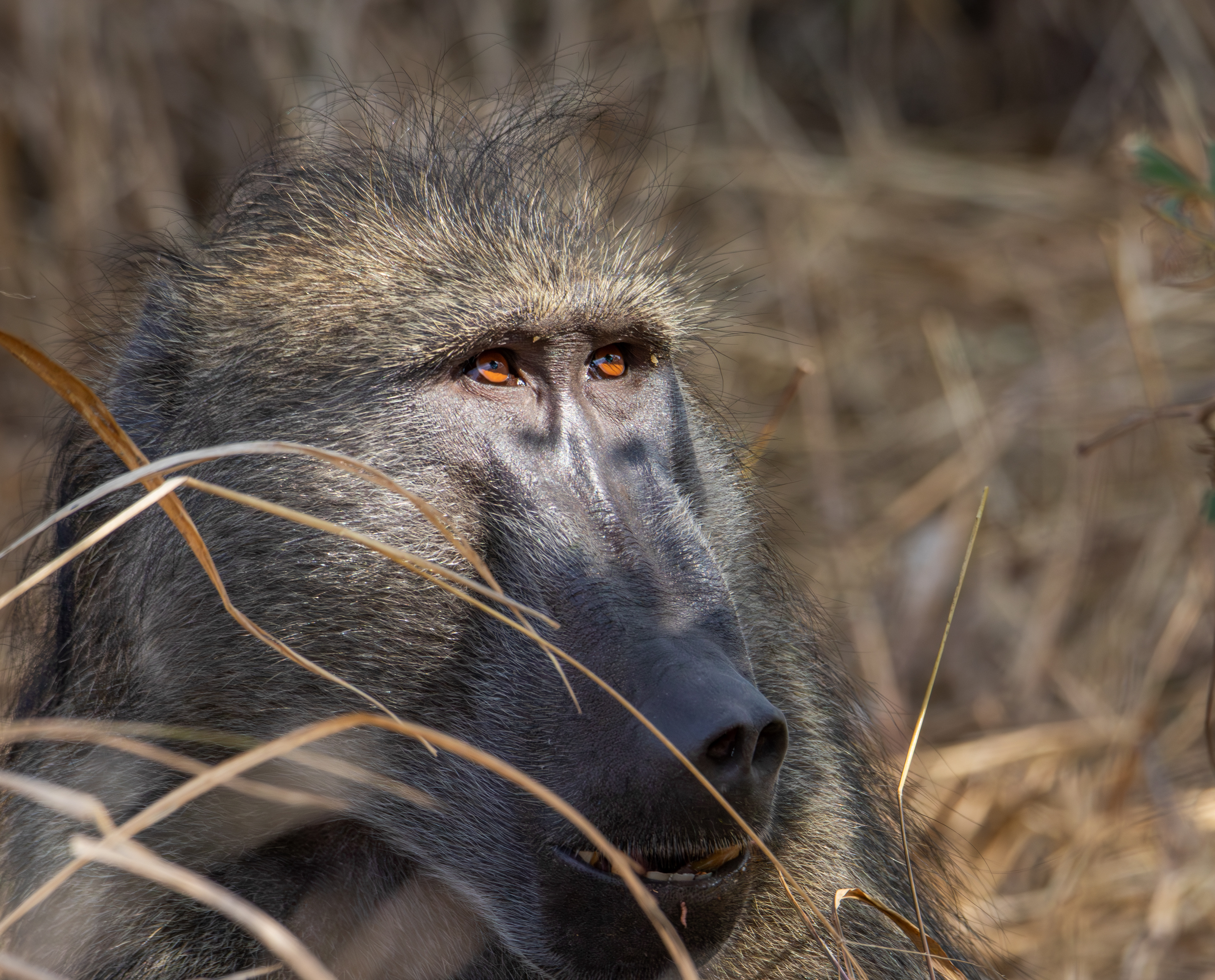
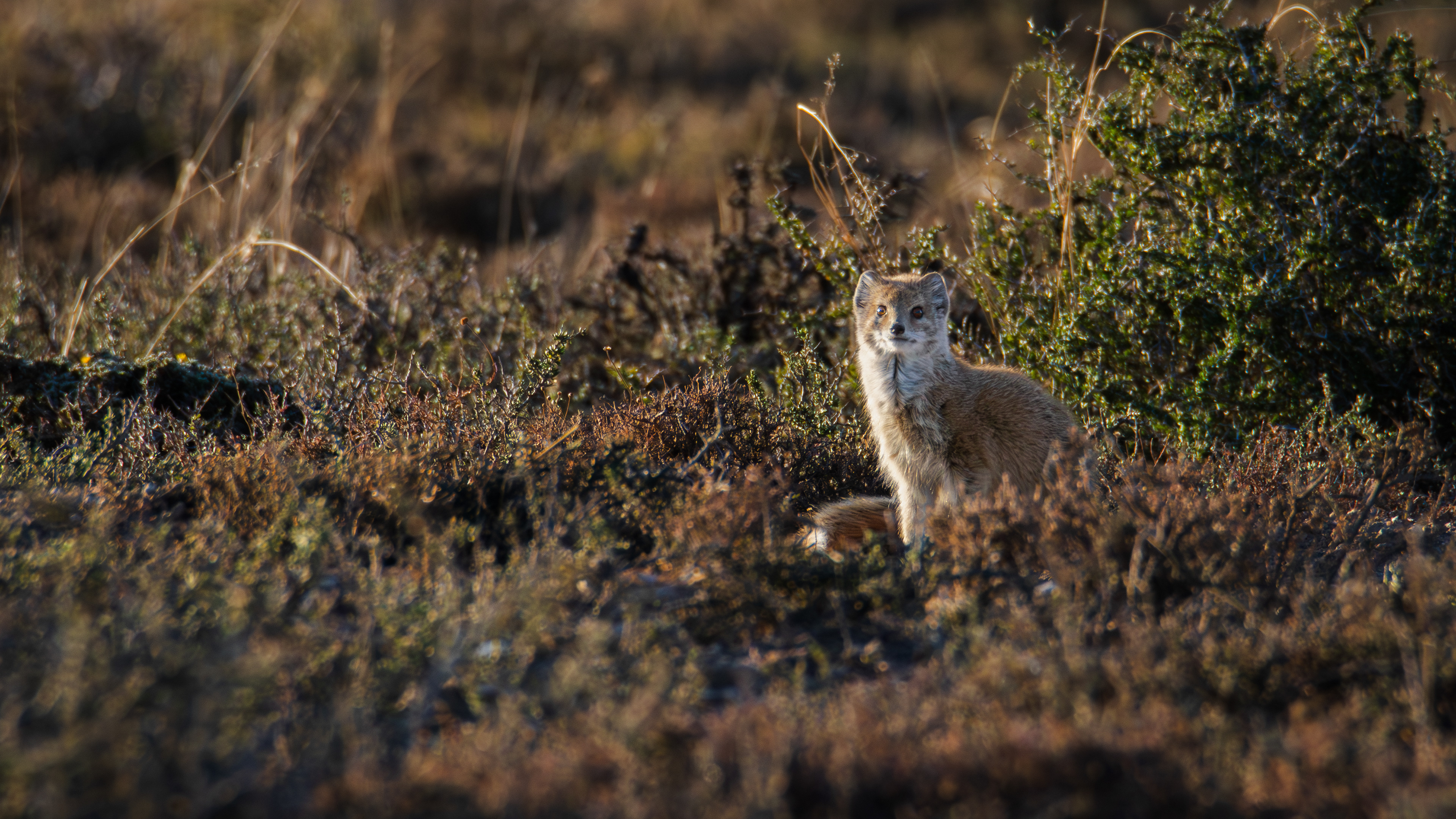
Yellow mongoose (Cynictis penicillata)
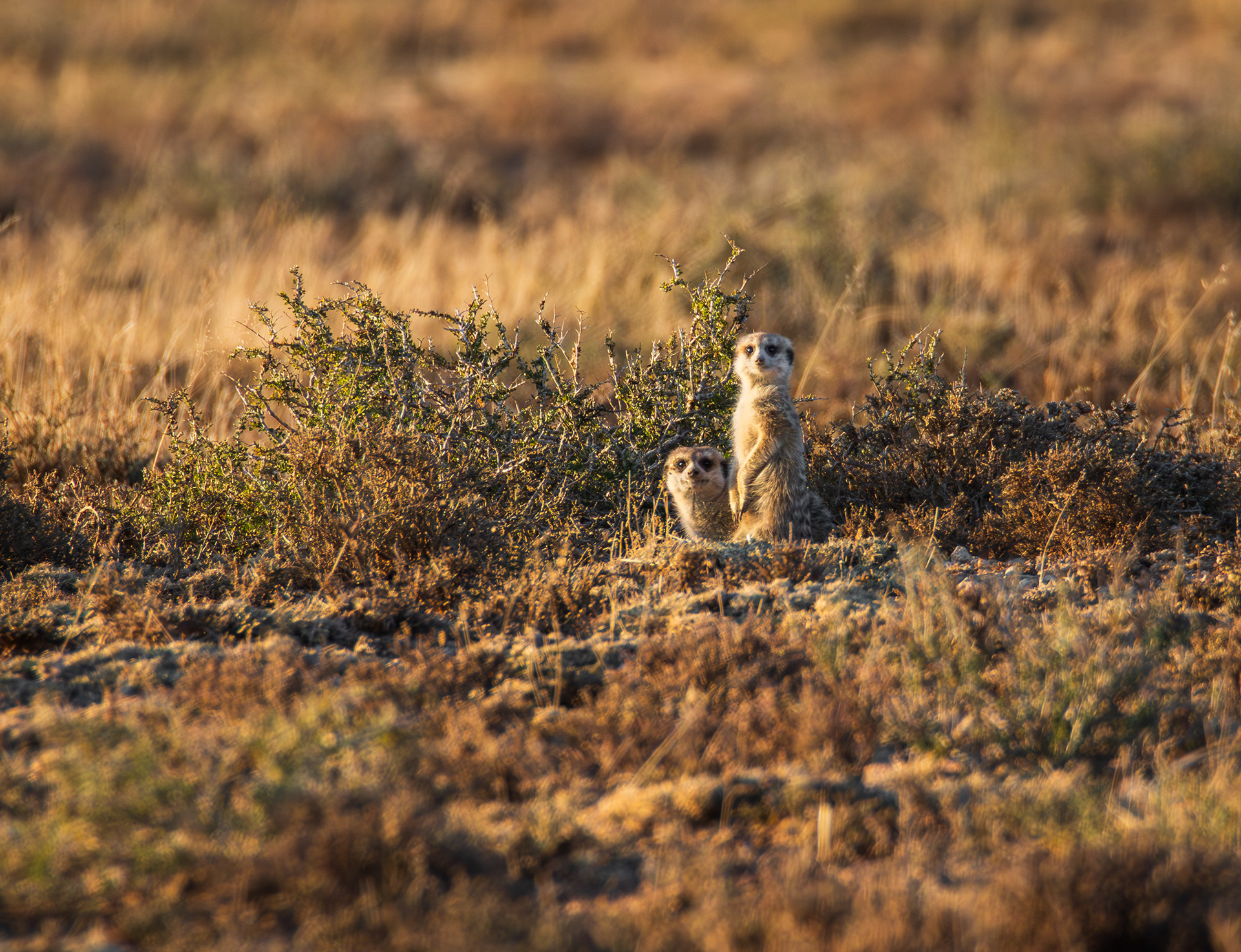
Meerkat (Suricata suricata)
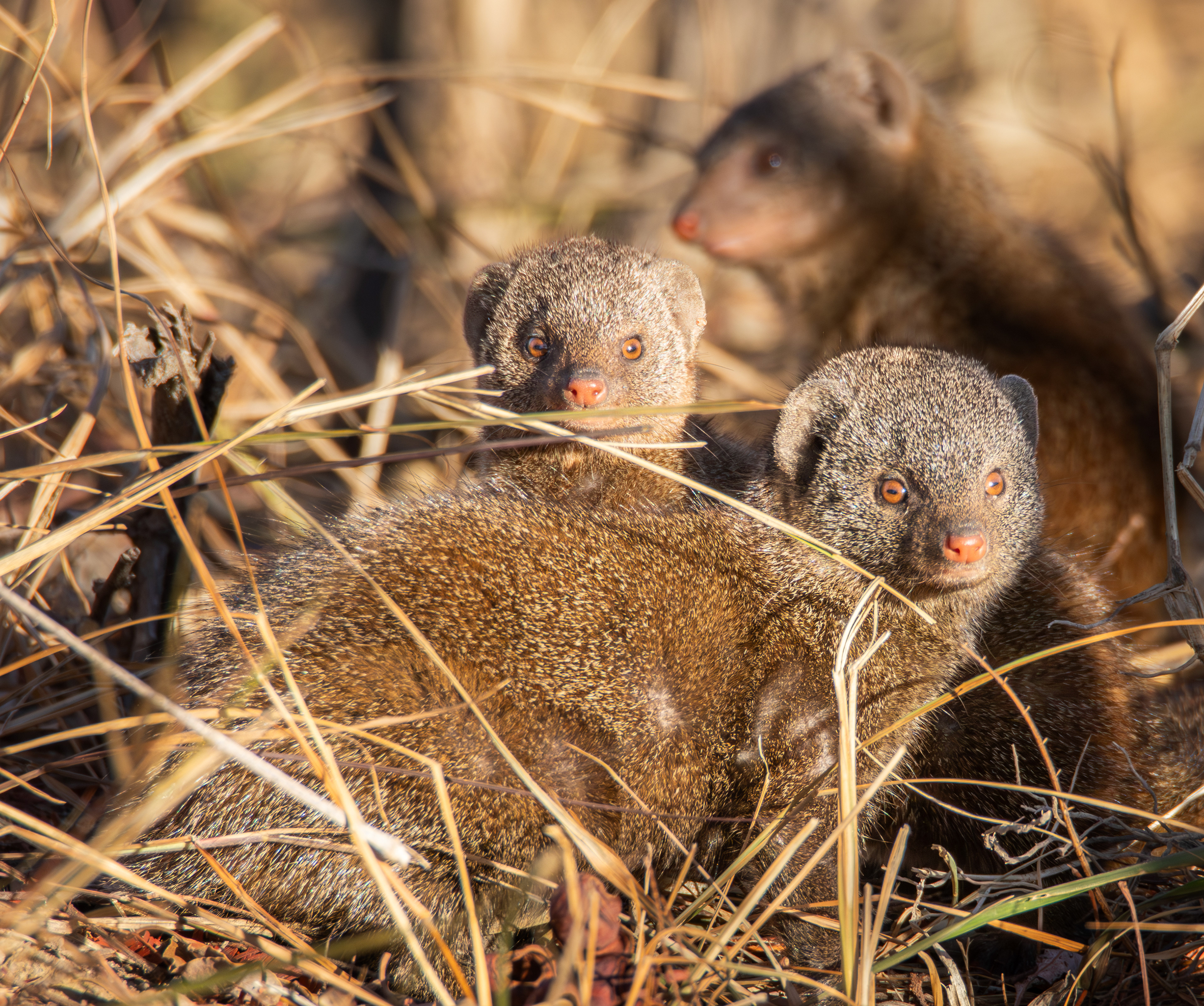
Dwarf mongoose (Helogale parvula)
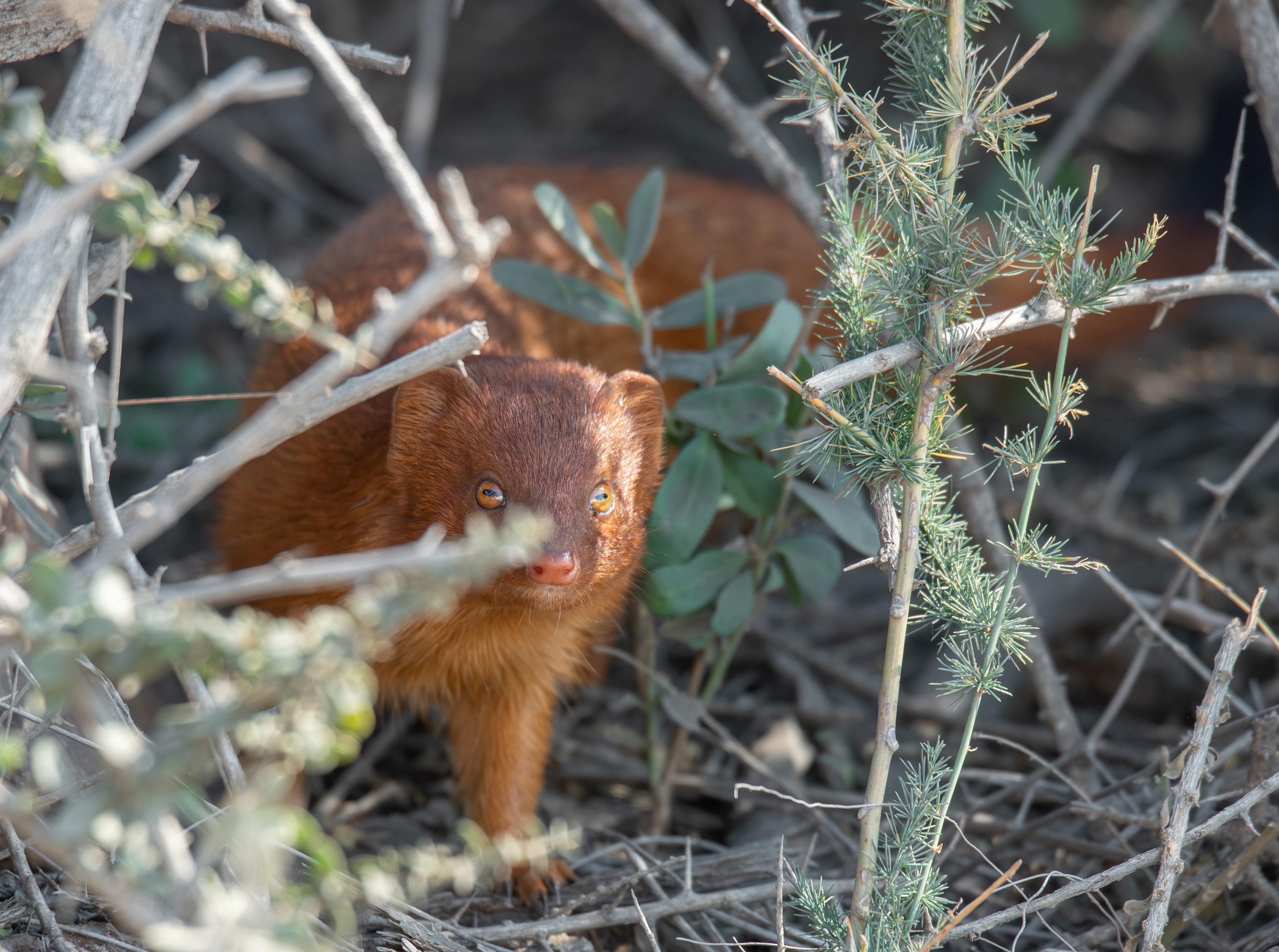
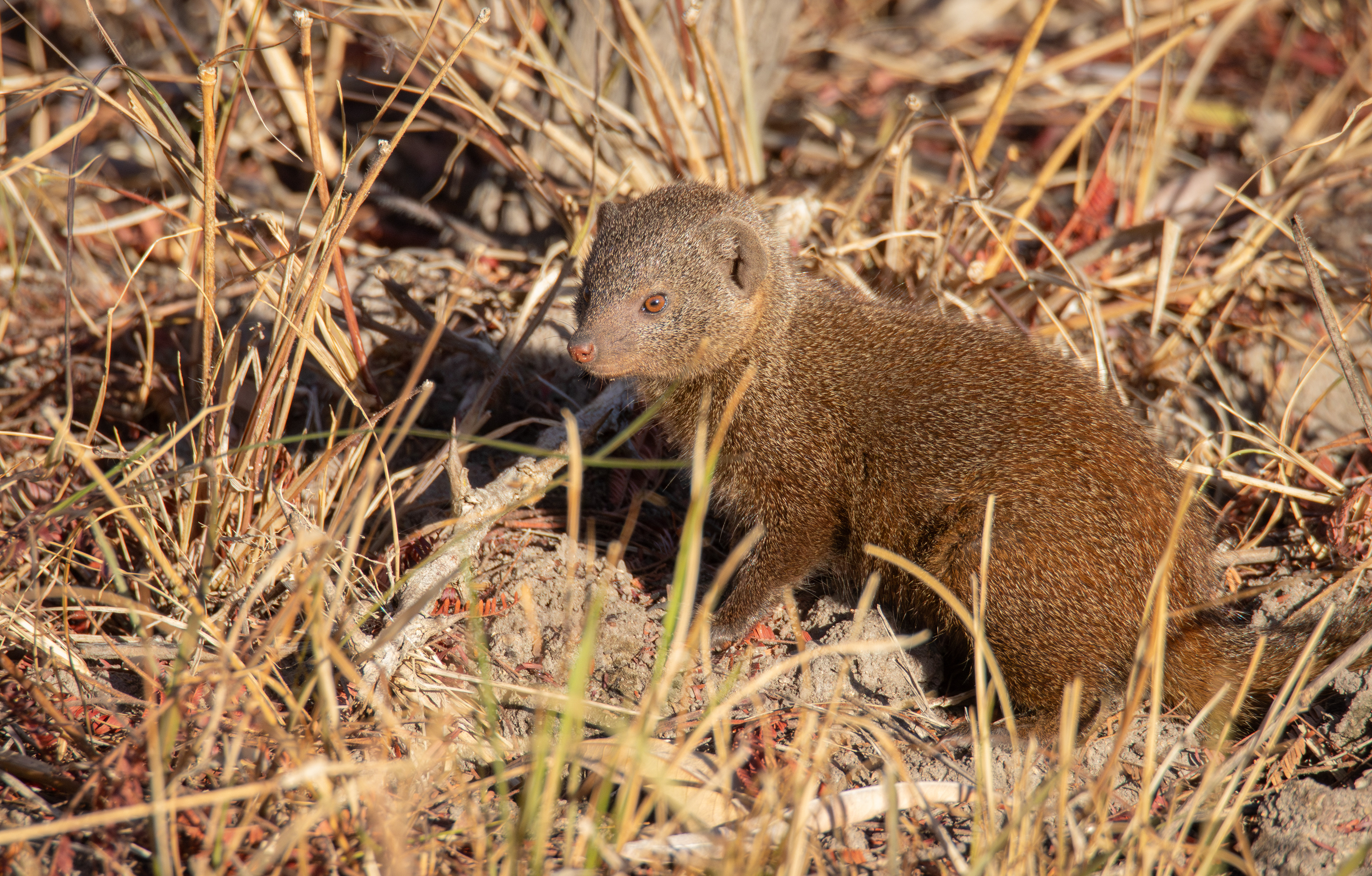
Slender mongoose (Galerella sanguinea)
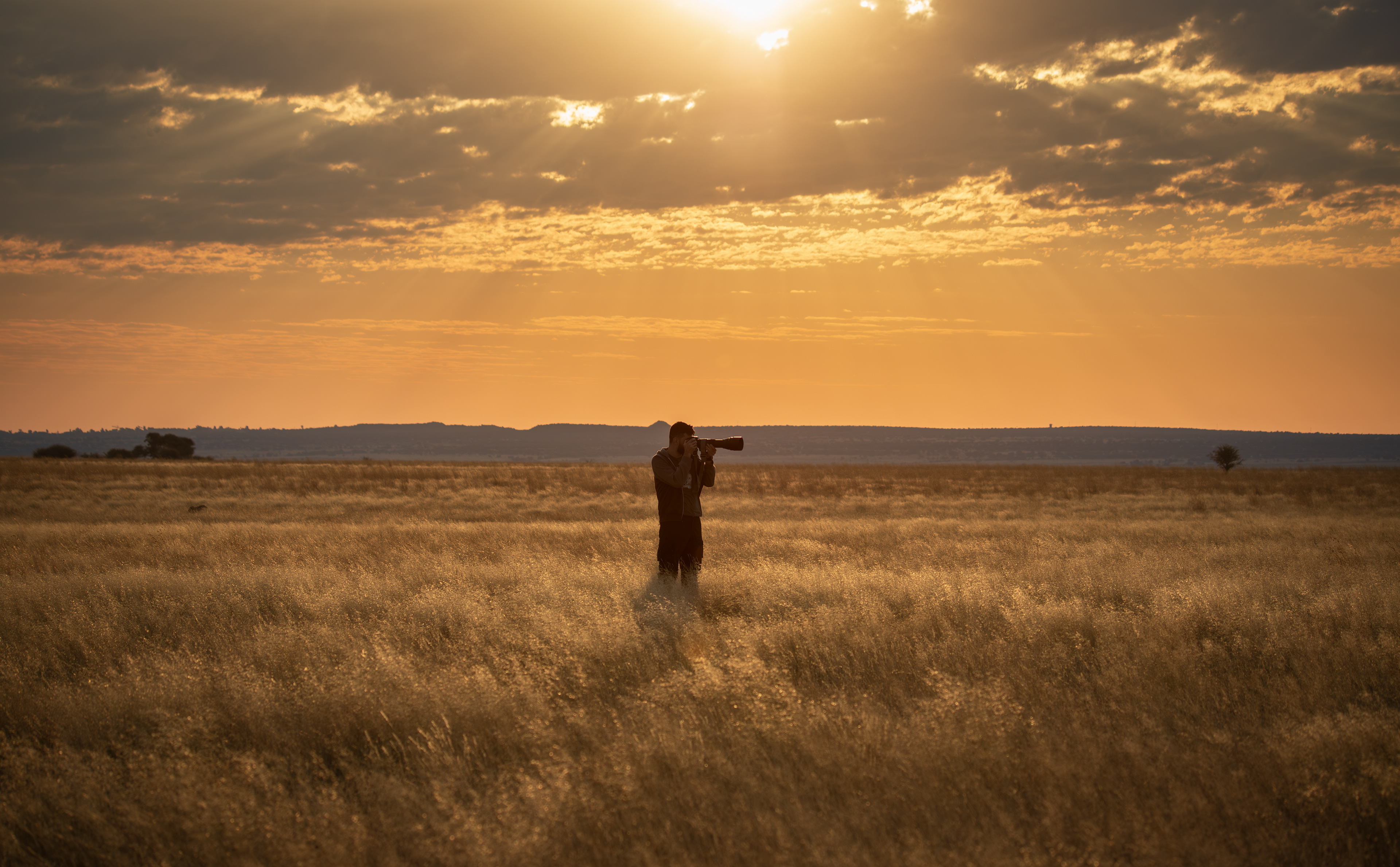
Large Human (Homo sapiens Serbensis), Benfontein NR.
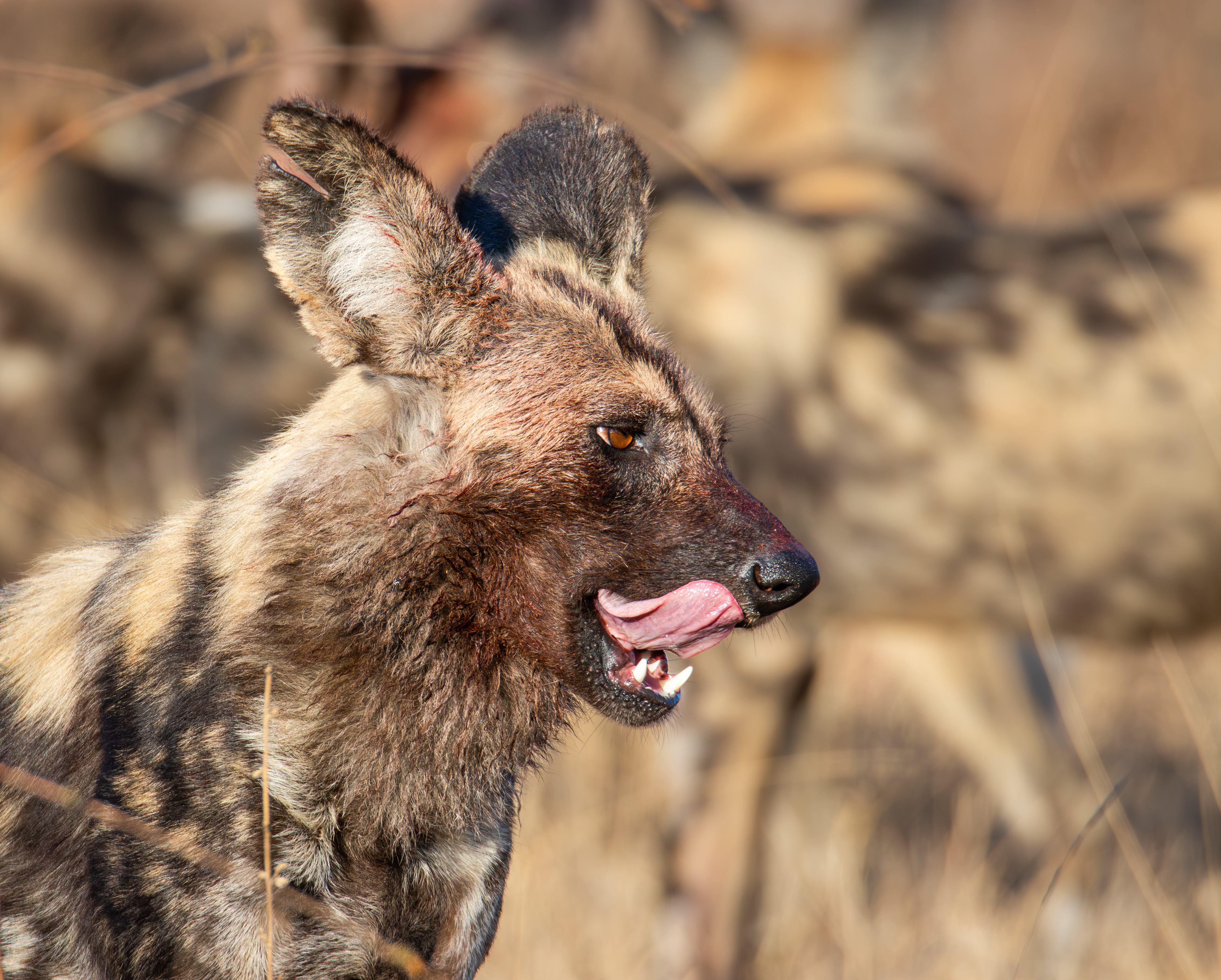
African wild dog (Lycaon pictus), Kruger NP.
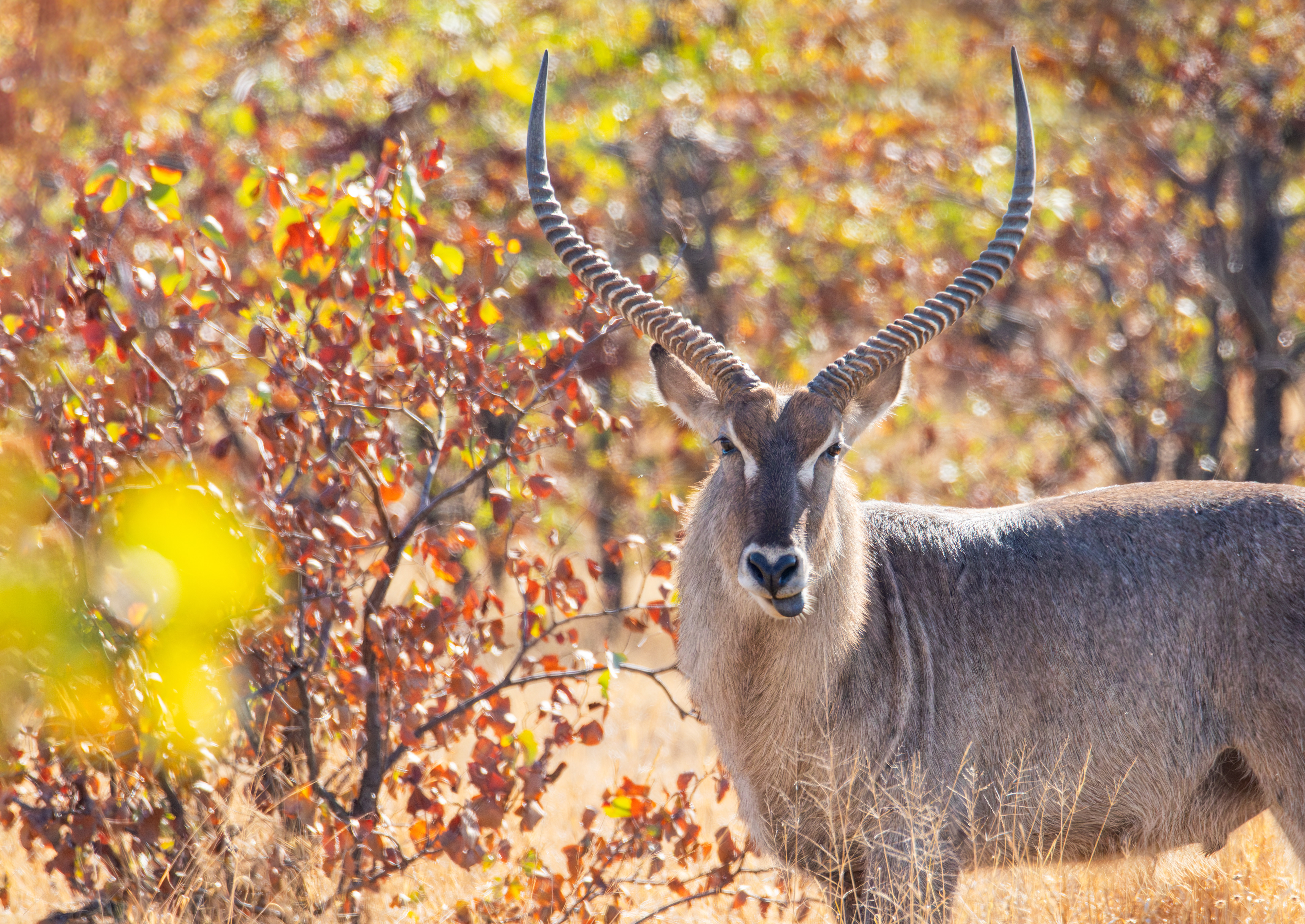
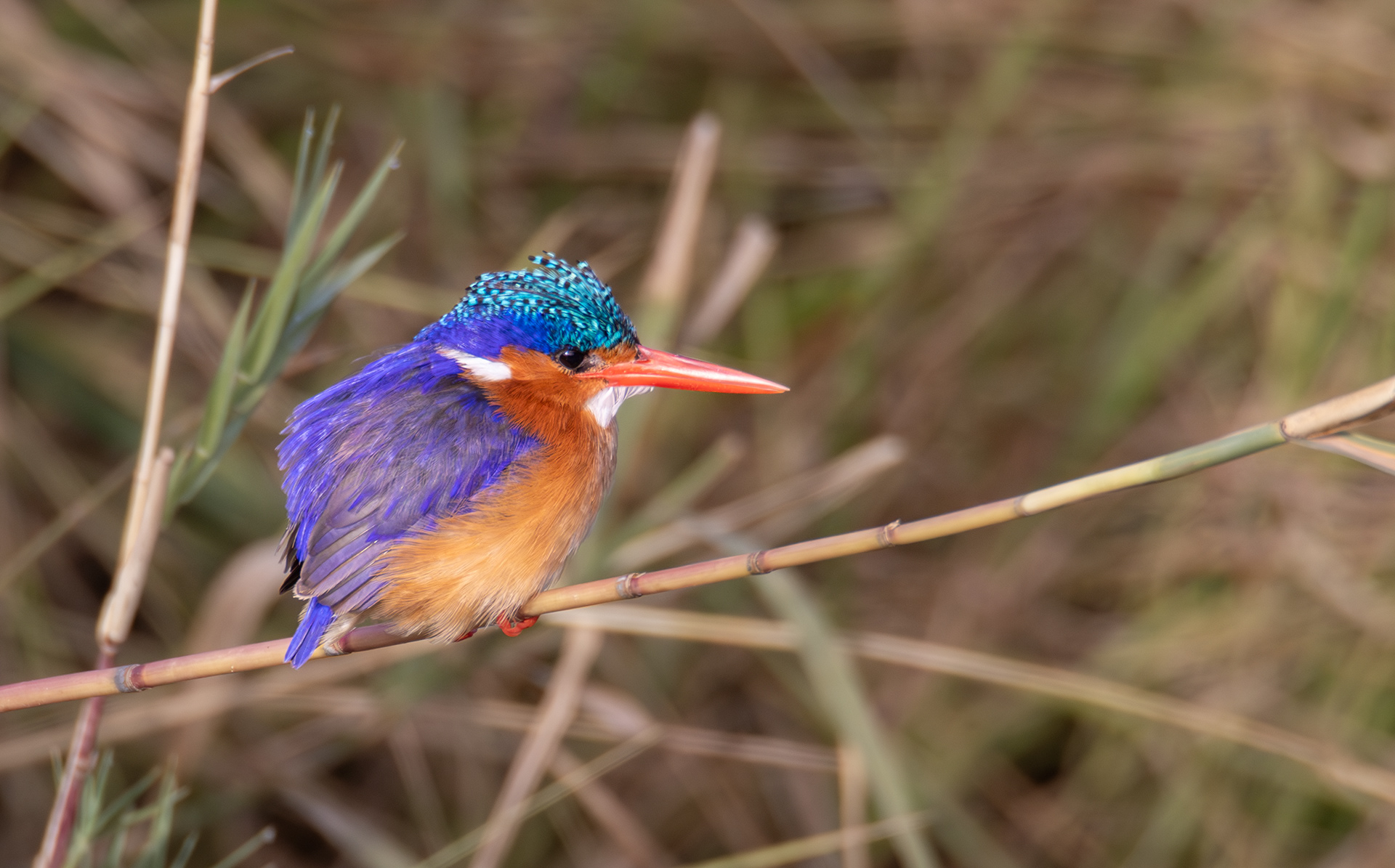
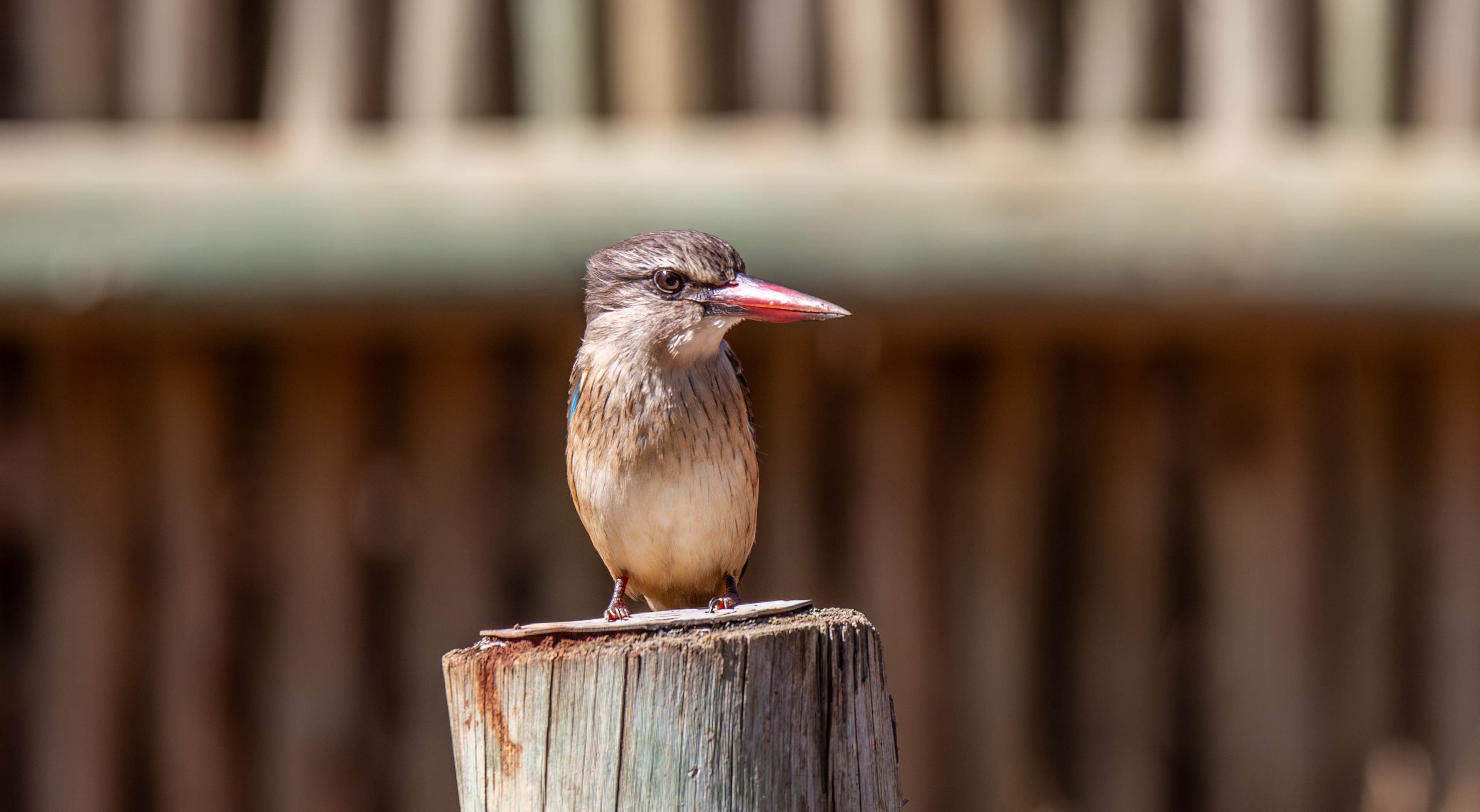
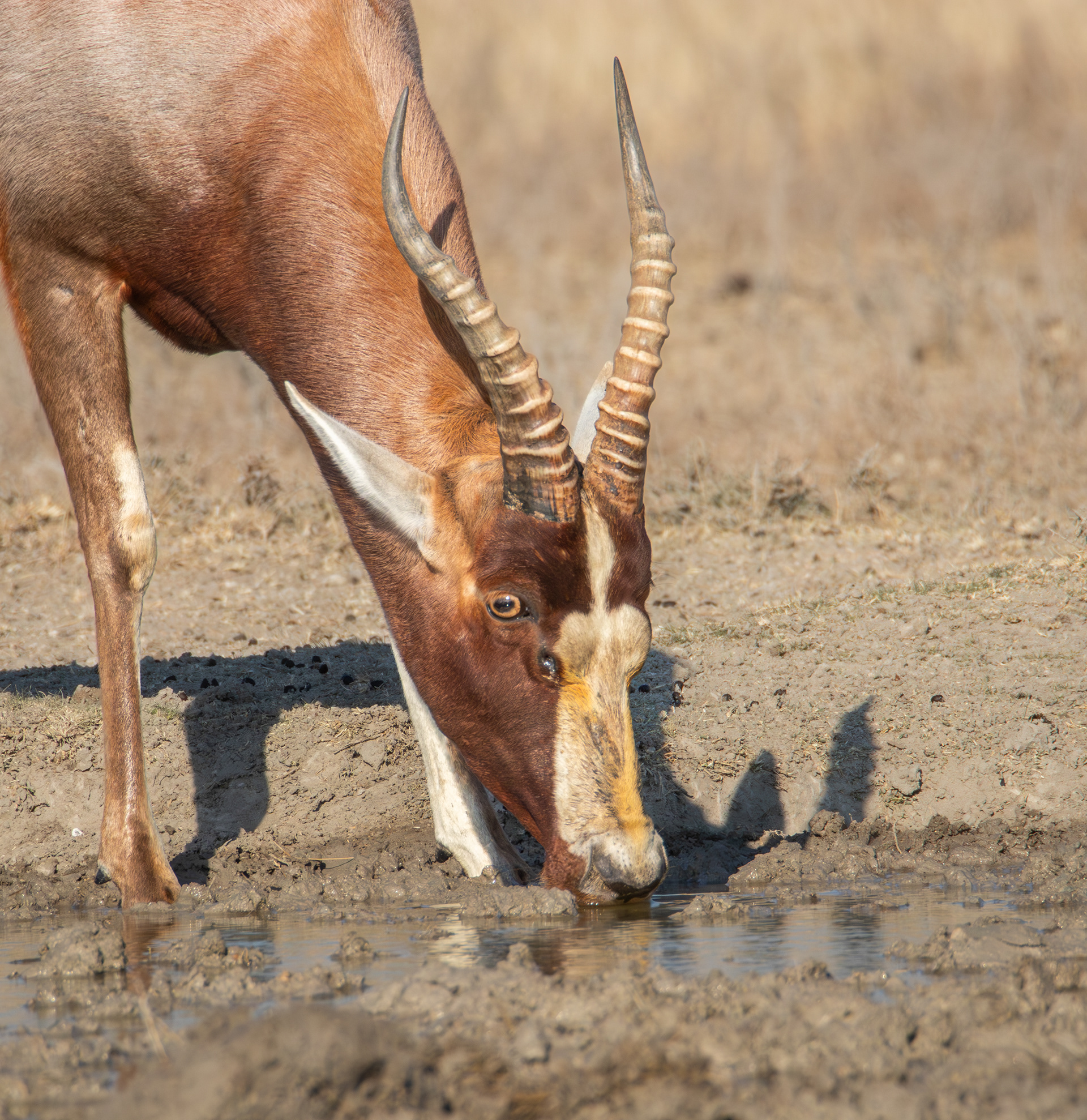
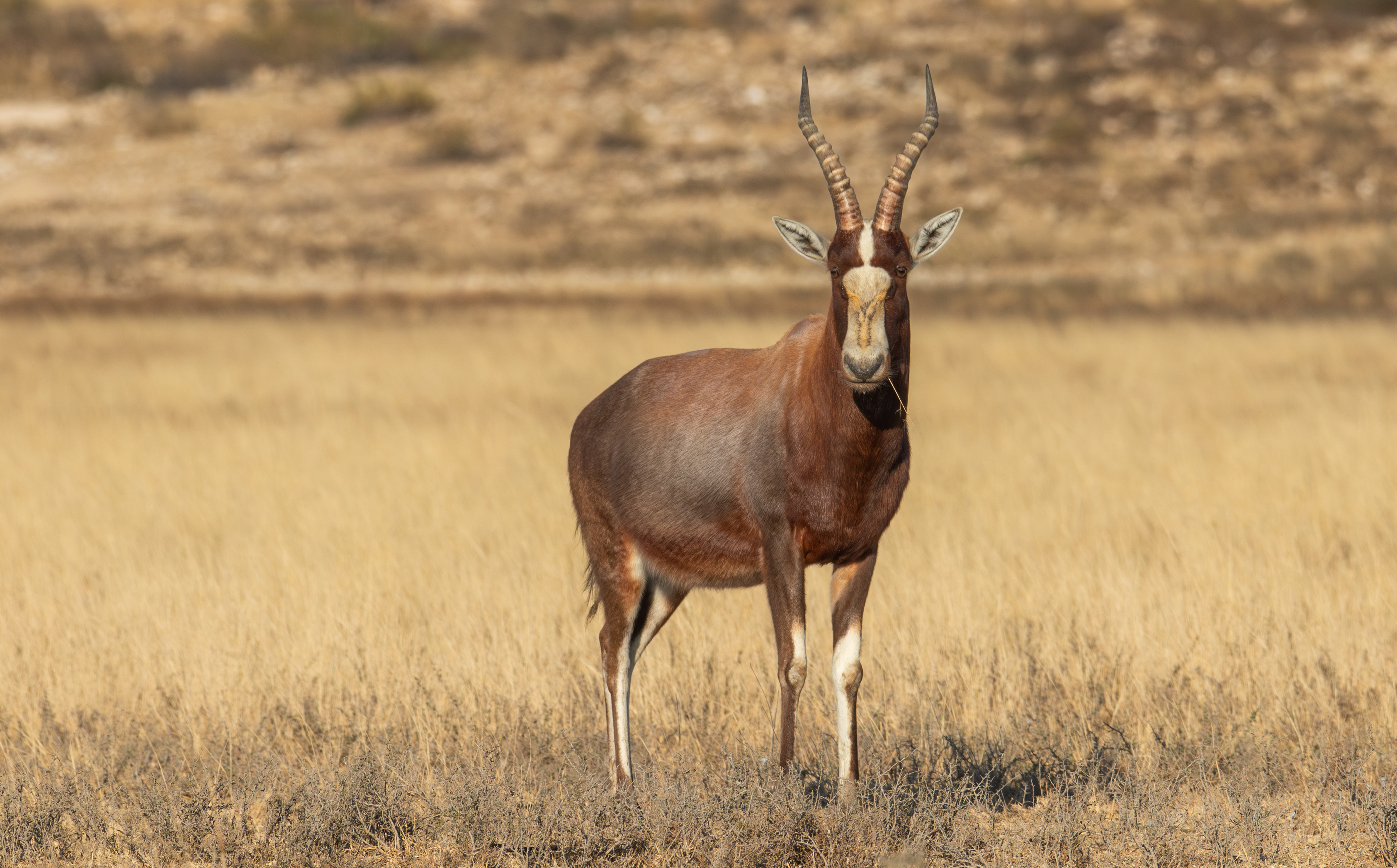
Welp, you scrolled this far, so I assume you're open to some less savory photos. This is a Blesbok (Damaliscus pygargus phillipsi) drinking from a small pond during the dry season, its preorbital gland gaping open and creating the strange illusion of another set of eyes. Without a doubt, it's a disturbing photo, but it's also one of my favorite captures from the trip. All antelopes have preorbital glands, which they use for chemical communication. Blesbok glands usually aren't this prominent, but we were lucky enough to get very close to this one.